The modern kitchen has evolved dramatically, and at the forefront of this revolution stands the automatic vacuum sealer. This innovative appliance has revolutionized how we preserve food, manage storage space, and reduce waste. Whether you're a busy parent trying to streamline meal prep or a culinary enthusiast looking to maintain the freshness of premium ingredients, an automatic vacuum sealer offers a sophisticated solution that combines convenience with professional-grade preservation.
The impact of this technology extends far beyond simple food storage. Today's automatic vacuum sealers incorporate smart features, intuitive controls, and advanced sealing mechanisms that work together to protect your food's flavor, texture, and nutritional value. As we delve deeper into this comprehensive guide, you'll discover how this appliance can transform your approach to food storage and preservation.
An automatic vacuum sealer creates an airtight environment that dramatically extends the shelf life of various foods. Fresh vegetables can stay crisp for weeks longer, while meats remain free from freezer burn for months. The process removes air that could harbor bacteria or trigger oxidation, effectively slowing down the deterioration process.
By maintaining optimal storage conditions, these devices help preserve not just the food's safety but also its original taste and nutritional content. Vacuum-sealed fruits retain their vibrant colors and natural sweetness, while herbs stay aromatic and potent far longer than conventional storage methods allow.
The automatic vacuum sealer becomes an invaluable tool for smart shopping and storage strategies. When sales or seasonal produce are available, you can confidently buy in bulk knowing your purchases will stay fresh until needed. This approach not only saves money but also reduces the frequency of shopping trips.
Consider the practical advantages: bulk-purchased meats can be portioned and sealed for future use, seasonal vegetables can be preserved at their peak freshness, and leftovers can be efficiently stored for later consumption. The initial investment in an automatic vacuum sealer quickly pays for itself through reduced food waste and smarter shopping habits.
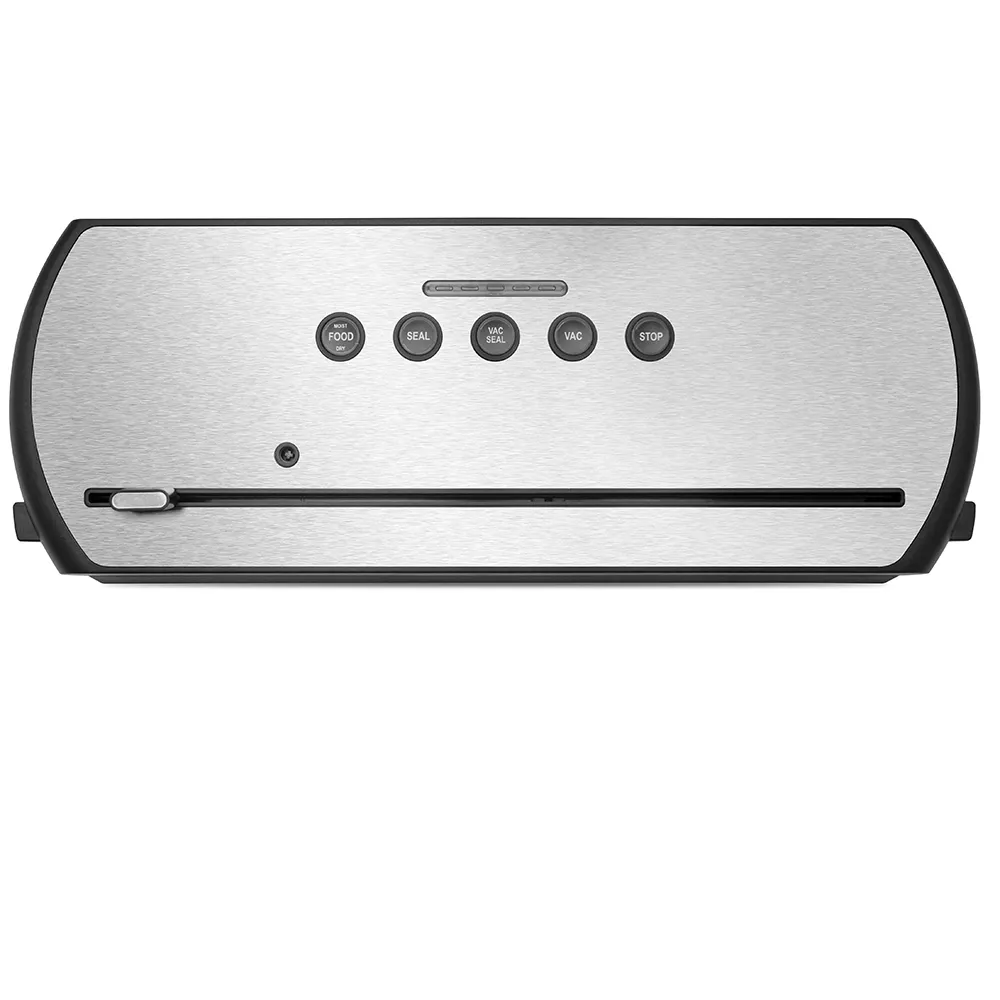
Modern automatic vacuum sealers come equipped with sophisticated sensors that detect optimal sealing conditions. These intelligent systems adjust suction power and sealing time based on food type and moisture content, ensuring perfect results whether you're sealing delicate berries or tough cuts of meat.
The automation extends to moisture detection, which prevents liquid from being drawn into the vacuum chamber - a common issue with earlier models. This technology makes the sealing process virtually foolproof, allowing users of all experience levels to achieve professional-quality results.
Today's automatic vacuum sealers offer multiple sealing modes and pressure settings to accommodate different food types and storage needs. From gentle sealing for crushable items to maximum vacuum for long-term storage, these customizable options ensure optimal preservation for every item.
The versatility extends to container compatibility, with many models offering attachments for sealing jars, containers, and even wine bottles. This flexibility transforms the automatic vacuum sealer from a single-purpose appliance into a comprehensive food preservation system.
An automatic vacuum sealer becomes an essential tool for efficient meal preparation. Prepare ingredients or complete meals in advance, seal them perfectly, and store them until needed. This systematic approach not only saves time but also helps maintain portion control for dietary management.
The precision of vacuum sealing allows you to create perfectly portioned meals that maintain their quality until ready to serve. Whether preparing weekly lunches or planning for special dietary needs, the automatic vacuum sealer ensures consistency and convenience.
Beyond everyday food storage, automatic vacuum sealers excel in specialized preservation scenarios. They're ideal for securing dried foods, preserving hunting or fishing catches, and protecting valuable spices from moisture and oxidation. The technology adapts to various storage needs while maintaining food safety standards.
For those interested in food preservation techniques like sous vide cooking or dry aging, an automatic vacuum sealer becomes an indispensable tool. The precise control over air removal and sealing strength enables these advanced culinary applications.
To maintain peak performance, regular cleaning of the sealing strip and vacuum chamber is essential. Many automatic vacuum sealers feature removable drip trays and cleaning-friendly designs that simplify maintenance. Wiping surfaces after each use and periodic deep cleaning ensure consistent sealing quality.
Understanding proper bag selection and placement also contributes to optimal results. Leave adequate space between the food and seal point, and ensure bags are smooth and properly aligned before sealing. These simple practices significantly impact the quality and reliability of your vacuum sealing results.
Even the most advanced automatic vacuum sealers may occasionally encounter challenges. Understanding common issues like incomplete seals or insufficient vacuum can help you quickly resolve problems. Most modern units include diagnostic indicators that help identify and address potential issues before they affect your food storage.
Regular inspection of sealing gaskets and proper storage of the unit when not in use can prevent many common problems. Following manufacturer guidelines for maintenance and operation ensures your automatic vacuum sealer provides reliable service for years to come.
Users typically report reducing food waste by 30-50% and saving hundreds of dollars annually through bulk purchasing and extended food storage capabilities. The exact savings depend on your shopping habits and food consumption patterns, but most users find the appliance pays for itself within the first year.
Most foods are suitable for vacuum sealing, including meats, vegetables, fruits, dry goods, and prepared meals. However, some items like soft berries or delicate baked goods may require gentle sealing settings or pre-freezing to maintain their structure during the vacuum process.
Vacuum-sealed foods typically last 3-5 times longer than conventional storage methods. For example, meat stored in the freezer can last up to 2-3 years, while vacuum-sealed cheese in the refrigerator can remain fresh for 4-8 weeks. Always follow food safety guidelines and check for signs of spoilage before consumption.
While vacuum sealing is highly effective, it works best as part of a comprehensive food storage strategy. It excels at long-term preservation and portion control but should be combined with appropriate refrigeration or freezing methods depending on the food type and intended storage duration.
 EN
EN