Modern cooking enthusiasts are increasingly turning to advanced techniques that prioritize health, flavor, and nutritional retention. Among these innovative methods, sous vide cooking has emerged as a game-changing approach that requires specialized equipment to achieve optimal results. A sous vide vacuum sealer serves as the cornerstone of this cooking technique, enabling home chefs and professional kitchens to create meals that maintain maximum nutritional value while delivering exceptional taste and texture.
The integration of vacuum sealing technology with precision cooking methods represents a significant advancement in culinary science. This combination allows for temperature-controlled cooking that preserves vitamins, minerals, and natural flavors that traditional cooking methods often compromise. Understanding how a sous vide vacuum sealer contributes to healthier cooking practices can transform your approach to meal preparation and nutritional wellness.
The fundamental principle behind sous vide cooking relies on precise temperature control that a quality sous vide vacuum sealer makes possible. By removing air from specially designed bags and cooking food at controlled low temperatures for extended periods, this method preserves heat-sensitive nutrients that are typically lost during conventional cooking. Water-soluble vitamins such as vitamin C and B-complex vitamins remain largely intact when food is sealed and cooked in its own natural juices.
Research conducted by food scientists has demonstrated that vacuum-sealed sous vide cooking can retain up to 90% of nutrients compared to traditional boiling methods, which can cause nutrient loss of up to 50%. The vacuum environment prevents oxidation and maintains the cellular structure of vegetables, proteins, and other ingredients, resulting in meals that are both nutritionally superior and visually appealing.
A professional-grade sous vide vacuum sealer creates an anaerobic environment that locks in natural moisture and concentrated flavors. This sealed environment prevents the dilution of natural juices and maintains the food's original texture and taste profile. Unlike traditional cooking methods that rely on added fats or oils for moisture, vacuum-sealed cooking allows ingredients to cook in their own natural liquids.
The enhanced flavor concentration achieved through vacuum sealing means that less salt, sugar, and artificial seasonings are needed to create satisfying meals. This reduction in additives directly contributes to healthier eating habits while maintaining the sensory satisfaction that makes meals enjoyable and sustainable as part of a long-term healthy lifestyle.
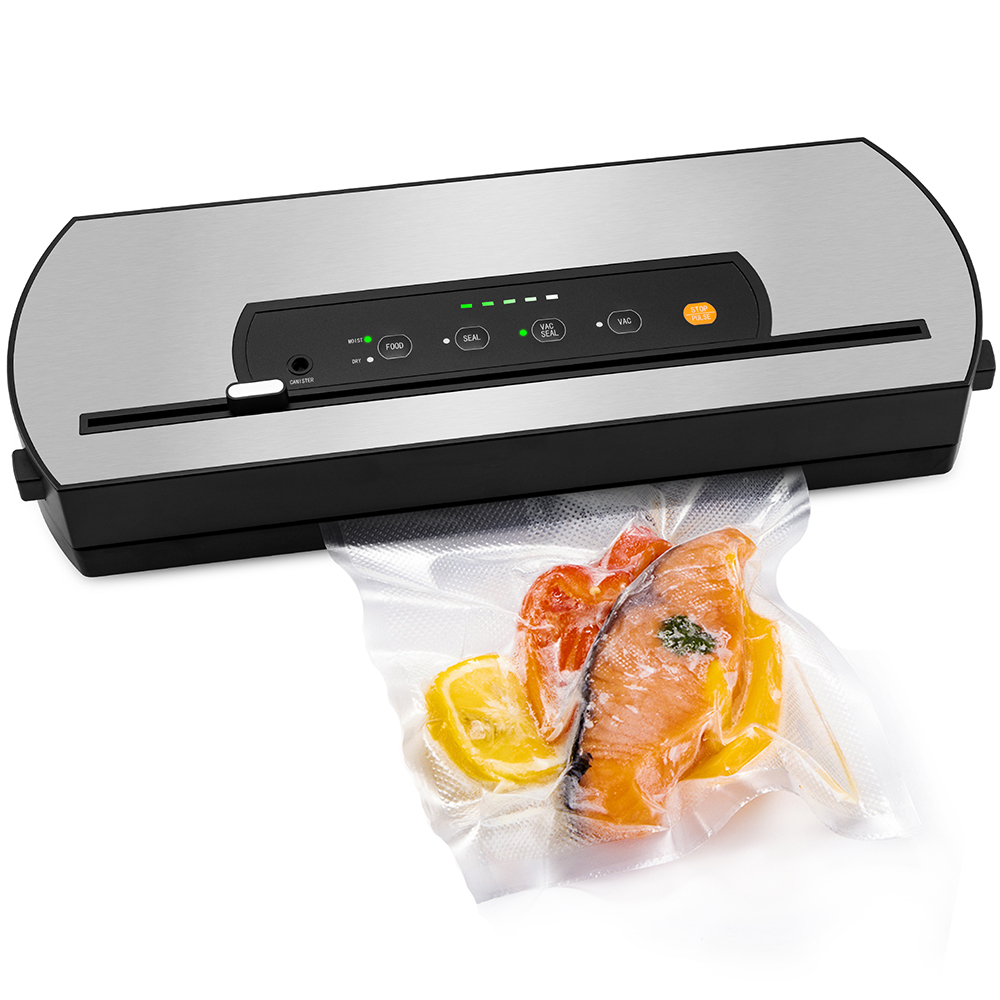
Traditional cooking methods often require significant amounts of oils, butter, or other fats to prevent sticking and maintain moisture. A sous vide vacuum sealer eliminates this necessity by creating a controlled cooking environment where ingredients cook evenly in their natural moisture without the risk of burning or drying out.
This reduction in added fats significantly decreases the caloric density of meals while maintaining palatability and satisfaction. For individuals managing weight, cardiovascular health, or dietary restrictions, this cooking method provides a pathway to enjoy flavorful meals without compromising nutritional goals. The natural flavors and textures achieved through vacuum sealing often surpass those created with traditional fat-heavy cooking methods.
Protein structures benefit significantly from the gentle, controlled heating that a sous vide vacuum sealer enables. The low-temperature, extended cooking process breaks down tough connective tissues without denaturing beneficial proteins or creating harmful compounds that can form during high-heat cooking methods such as grilling or frying.
This gentle cooking approach results in proteins that are more easily digestible and retain their complete amino acid profiles. For individuals with digestive sensitivities or those seeking to maximize the bioavailability of dietary protein, vacuum-sealed cooking provides an optimal preparation method that supports both nutritional goals and digestive comfort.
Vegetables prepared using a sous vide vacuum sealer retain their vibrant colors, crisp textures, and maximum nutritional content. The sealed environment prevents leaching of water-soluble vitamins and maintains the integrity of delicate plant compounds such as antioxidants and phytonutrients that contribute to long-term health benefits.
The precise temperature control allows for customized cooking that can enhance the bioavailability of certain nutrients while preserving others that are heat-sensitive. For example, lightly cooking tomatoes in a vacuum-sealed environment can increase lycopene availability while maintaining vitamin C content, creating nutritionally optimized ingredients for various meal applications.
The vacuum sealing process naturally supports healthy eating habits through improved meal planning and portion control. Pre-portioned meals can be vacuum-sealed and stored for extended periods without losing nutritional value or taste quality. This preparation method encourages consistent healthy eating by making nutritious meals readily available and eliminating the temptation to resort to less healthy convenience options.
The extended storage capability of vacuum-sealed meals reduces food waste while ensuring that healthy ingredients remain fresh and ready for consumption. This efficiency supports both environmental sustainability and budget-conscious healthy eating, making nutritious meal preparation more accessible and practical for busy lifestyles.
High-temperature cooking methods can create potentially harmful compounds such as advanced glycation end products and heterocyclic amines, which have been associated with various health concerns. The controlled low-temperature environment created by a sous vide vacuum sealer minimizes the formation of these compounds while still achieving food safety standards through extended cooking times.
This cooking approach aligns with current nutritional research that emphasizes the importance of cooking methods in determining the overall healthfulness of prepared foods. By choosing vacuum-sealed cooking methods, individuals can enjoy well-prepared meals while minimizing exposure to potentially harmful cooking byproducts that accumulate over time with regular consumption.
The superior taste and texture achieved through sous vide vacuum sealer cooking makes it easier to maintain healthy dietary patterns over time. The enhanced flavors and appealing presentations help individuals stick to nutritious eating plans without feeling deprived or bored with their food choices.
The versatility of vacuum-sealed cooking allows for creative preparation of a wide variety of healthy ingredients, from lean proteins to nutrient-dense vegetables and whole grains. This variety supports long-term dietary adherence and helps prevent the monotony that often leads to abandoning healthy eating goals in favor of less nutritious but more immediately satisfying options.
Vacuum sealing creates an oxygen-free environment that prevents nutrient oxidation while the controlled low temperatures used in sous vide cooking minimize the thermal degradation of heat-sensitive vitamins and minerals. This combination can preserve up to 90% of nutrients compared to conventional cooking methods that often result in 30-50% nutrient loss through leaching, oxidation, and high-heat exposure.
Yes, vacuum-sealed cooking supports weight management by eliminating the need for added fats and oils while enhancing natural flavors that increase meal satisfaction. The improved portion control and meal prep capabilities also support consistent healthy eating habits, while the superior taste and texture help maintain long-term dietary compliance without feelings of deprivation.
Sous vide cooking with a quality vacuum sealer is considered very safe when proper food safety guidelines are followed. The controlled temperature and time parameters ensure pathogen elimination while the reduced formation of harmful cooking compounds makes it potentially healthier than high-temperature cooking methods for regular use.
Vacuum sealing significantly reduces food waste through extended storage capabilities and precise portion control. The energy-efficient cooking process and reduced need for multiple cooking sessions also contribute to lower environmental impact. While the bags create some waste, many modern options are reusable or recyclable, and the overall environmental benefits often outweigh this consideration.
 EN
EN