Preserving food effectively while saving space in your kitchen has become increasingly important for today's homeowners. A compact vacuum sealer offers the perfect solution, combining powerful preservation capabilities with a space-efficient design. These innovative appliances have revolutionized how we store food, helping to maintain freshness, prevent freezer burn, and extend shelf life significantly longer than traditional storage methods.
As more people embrace meal prep and bulk buying, the demand for efficient food storage solutions continues to grow. A compact vacuum sealer serves as an essential kitchen tool, allowing you to preserve everything from fresh produce to prepared meals while taking up minimal counter space. Understanding how to select the right model can make a significant difference in your food storage success.
The primary function of any compact vacuum sealer is its ability to create an airtight seal quickly and effectively. Look for models that offer consistent sealing performance with adjustable vacuum strength. The best units can complete the sealing process in 20-30 seconds while maintaining the integrity of delicate foods. Premium models often include pulse vacuum features, allowing you to control the suction level for different food types.
Speed efficiency matters, especially when sealing multiple items in succession. Advanced compact vacuum sealers incorporate cooling systems that prevent overheating during extended use, ensuring you can complete your food storage tasks without interruption. Consider models with automatic moisture detection, which adjusts the sealing time based on food content.
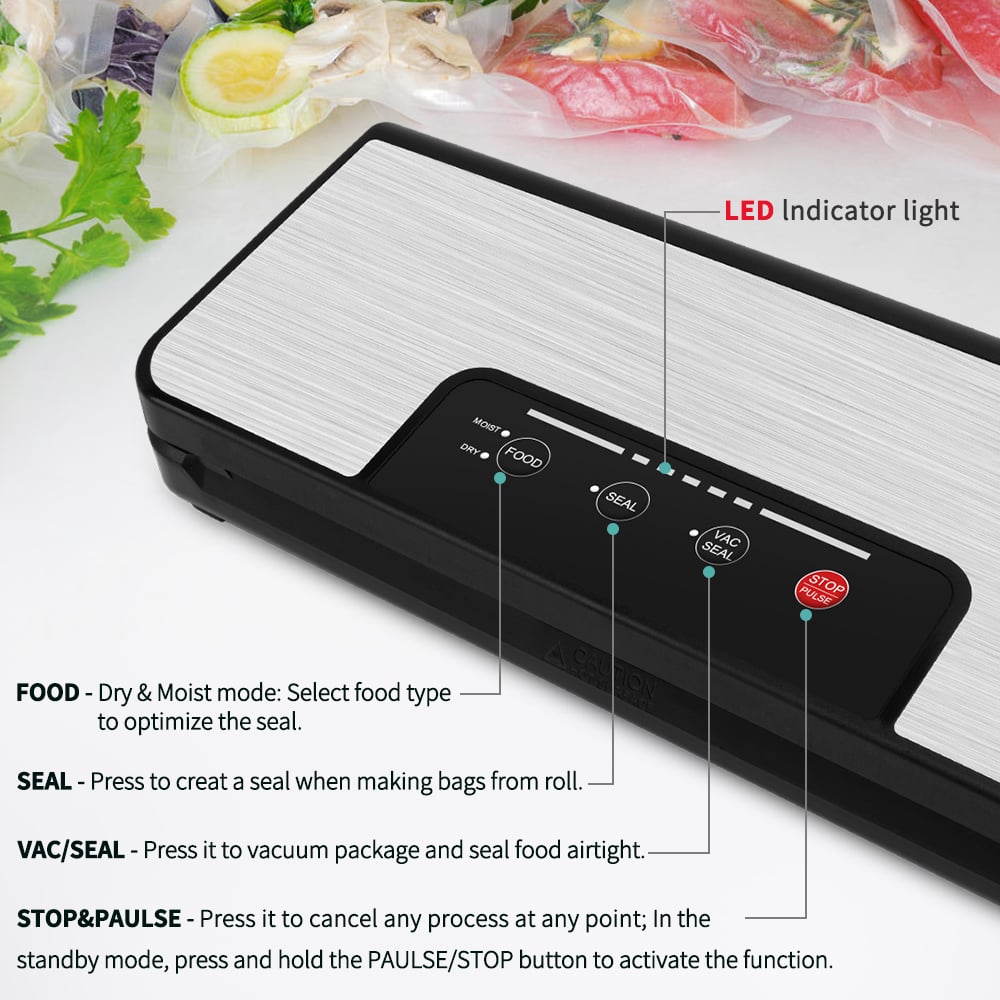
The beauty of a compact vacuum sealer lies in its space-saving design. When evaluating different models, consider both the unit's footprint and height. Most compact models measure between 14-16 inches in width and 6-8 inches in depth, making them ideal for smaller kitchens. Some units feature vertical storage capabilities, allowing you to store them upright when not in use.
Storage solutions for bags and accessories should also factor into your decision. Look for models that include built-in bag storage or convenient compartments for keeping supplies organized. The best compact vacuum sealers maximize functionality while minimizing their space requirements.
Modern compact vacuum sealers incorporate innovative technology to enhance user experience. Touch-sensitive controls offer intuitive operation, while LED indicators provide clear feedback on the sealing process. Some advanced models include programmable settings for different food types, allowing you to optimize preservation for specific items like meats, vegetables, or liquids.
Bluetooth connectivity and smartphone integration are emerging features in premium models, enabling remote monitoring and custom programming options. These smart capabilities can help you track usage, maintain sealing records, and receive maintenance reminders, ensuring optimal performance over time.
The most versatile compact vacuum sealers offer multiple sealing modes to accommodate different storage needs. Look for models with adjustable seal width options, allowing you to use various bag sizes efficiently. Some units feature specialized settings for marinating foods or sealing delicate items like crackers and cookies without crushing them.
External sealing capabilities expand functionality by allowing you to vacuum seal specially designed containers and wine bottles. This versatility makes your compact vacuum sealer more valuable for various food storage applications beyond basic bag sealing.
Regular maintenance ensures your compact vacuum sealer performs optimally for years. Look for models with removable drip trays and easy-to-clean surfaces that prevent liquid accumulation during the sealing process. Stainless steel exteriors resist staining and maintain their appearance with minimal effort.
Consider units with clear maintenance indicators that alert you when cleaning or parts replacement is needed. Some models feature dishwasher-safe components, making routine cleaning more convenient. Proper care significantly extends the life of your sealer while maintaining consistent performance.
Investment in a quality compact vacuum sealer should be protected by comprehensive warranty coverage. Premium models typically offer warranties ranging from 1-5 years, with some manufacturers providing lifetime coverage on specific components. Research the manufacturer's reputation for customer service and parts availability before making your final decision.
Construction quality indicators include heavy-duty sealing bars, reinforced hinges, and industrial-grade vacuum pumps. These features contribute to longer operational life and better reliability during frequent use. Consider models with replaceable sealing strips and other serviceable parts to extend the unit's usability.
While compact vacuum sealers are available across various price points, focusing solely on the lowest price may lead to disappointment. Mid-range models typically offer the best balance of features and reliability, with prices ranging from $100-300. Premium models with advanced features and stronger construction may cost more but often provide better long-term value through increased durability and functionality.
Consider the cost of replacement bags and accessories when evaluating different models. Some units work exclusively with proprietary bags, which can impact ongoing operational costs. Others accept universal vacuum sealer bags, potentially offering significant savings over time.
The investment in a quality compact vacuum sealer typically pays for itself through reduced food waste and bulk purchase savings. By properly sealing and storing food, you can extend shelf life by three to five times compared to conventional storage methods. This capability allows you to take advantage of sales and bulk pricing without worry about spoilage.
Energy efficiency features in modern models help reduce operational costs while contributing to environmental sustainability. Look for units with auto-shutoff functions and energy-saving modes that minimize power consumption during standby periods.
Vacuum-sealed foods can last significantly longer than those stored using conventional methods. Frozen meats can maintain quality for 2-3 years, while dry goods can last 3-5 times longer than their normal shelf life. However, actual storage duration depends on initial food quality, storage conditions, and proper sealing technique.
Many modern compact vacuum sealers include moisture detection and specialized settings for wet foods. For best results, slightly freeze marinated items before sealing, or use models with pulse control to prevent liquid from being drawn into the vacuum chamber. Some units also offer specific marinade modes for enhanced flavor infusion.
Regular maintenance includes cleaning the sealing strip and vacuum chamber after each use, especially when sealing moist foods. Inspect the gaskets and sealing elements monthly for wear, and replace as needed. Most manufacturers recommend a deep cleaning every 3-6 months, depending on usage frequency. Following these guidelines ensures consistent performance and extends the unit's lifespan.
 EN
EN