When sourcing a vacuum packaging machine from China, importers face a complex decision matrix that extends far beyond price considerations. The Chinese manufacturing landscape offers diverse quality levels, technological capabilities, and service standards, making thorough evaluation essential for successful procurement. Understanding what to assess during the sourcing process can mean the difference between securing a reliable, long-term manufacturing partner and encountering costly operational disruptions down the line.
The evaluation framework for Chinese vacuum packaging machine suppliers should encompass technical specifications, manufacturing quality systems, regulatory compliance, and post-purchase support capabilities. Smart importers recognize that the lowest-priced vacuum packaging machine rarely delivers optimal total cost of ownership, particularly when factoring in maintenance requirements, spare parts availability, and operational reliability over the equipment's intended lifespan.
Assessing the manufacturing facility provides crucial insights into a supplier's capability to produce consistent, high-quality vacuum packaging machines. Modern Chinese manufacturers typically operate facilities with ISO certifications, clean production environments, and standardized quality control processes. Importers should request facility tours, either in-person or through detailed video presentations, to evaluate the production setup, equipment calibration procedures, and workforce training standards.
The production line layout reveals important information about manufacturing efficiency and quality control integration. Well-organized facilities demonstrate systematic approaches to vacuum packaging machine assembly, with clearly defined testing stations, component verification checkpoints, and final inspection protocols. Suppliers with robust manufacturing processes typically maintain detailed documentation of their quality systems, including statistical process control data and continuous improvement initiatives.
Equipment maintenance and calibration programs indicate the supplier's commitment to consistent output quality. Reliable vacuum packaging machine manufacturers implement preventive maintenance schedules for their production equipment, ensuring that manufacturing tolerances remain within specified parameters throughout the production cycle.
Detailed technical specifications form the foundation of any vacuum packaging machine evaluation process. Importers must verify that proposed equipment meets their specific application requirements, including vacuum levels, sealing capabilities, cycle times, and chamber dimensions. Chinese manufacturers often provide comprehensive specification sheets, but verification through independent testing or third-party validation adds confidence to the procurement decision.
Performance parameters such as ultimate vacuum level, pumping speed, and sealing temperature control directly impact the vacuum packaging machine's effectiveness across different product applications. Suppliers should provide test data demonstrating compliance with stated specifications, along with information about testing methodologies and measurement equipment used during validation processes.
Material specifications for critical components deserve particular attention, especially for vacuum pumps, sealing elements, and control systems. High-quality vacuum packaging machines incorporate durable materials designed for extended operation under demanding conditions, with component specifications that support reliable performance throughout the equipment's intended service life.
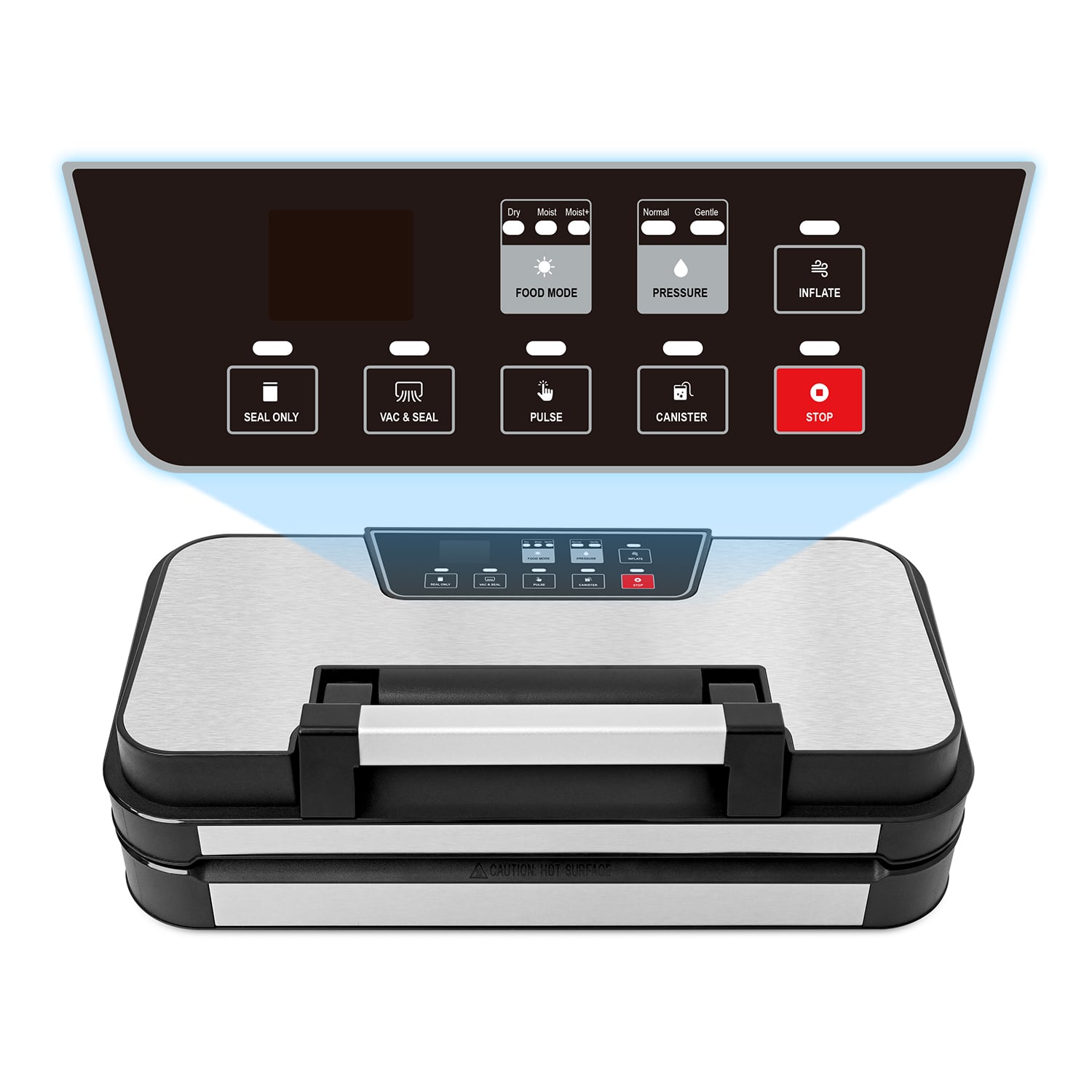
Regulatory compliance represents a non-negotiable aspect of vacuum packaging machine sourcing, particularly for importers serving markets with strict safety and performance requirements. Chinese manufacturers capable of meeting international standards typically maintain certifications from recognized testing organizations, demonstrating their commitment to producing equipment that meets global market expectations.
CE marking requirements for European markets demand comprehensive compliance with applicable EU directives, including machinery safety, electromagnetic compatibility, and pressure equipment regulations. Suppliers should provide complete technical files supporting their CE declarations, including risk assessments, conformity declarations, and test reports from notified bodies when required.
UL listing for North American markets requires extensive testing and ongoing factory inspections to verify continued compliance with applicable safety standards. Importers targeting the US and Canadian markets should prioritize suppliers with established UL relationships and documented compliance histories for their vacuum packaging machine product lines.
Food-grade applications impose additional compliance requirements that extend beyond basic machinery safety standards. Vacuum packaging machines intended for food processing must incorporate materials and design features that support sanitary operation, cleaning protocols, and contamination prevention measures.
FDA compliance for food contact surfaces requires careful material selection and validation of cleaning procedures. Suppliers should provide documentation confirming that all product-contact materials meet applicable FDA regulations, along with cleaning validation protocols and sanitization recommendations.
HACCP compatibility ensures that vacuum packaging machine design supports critical control point monitoring and hazard prevention strategies. Equipment features such as temperature monitoring, vacuum level recording, and seal integrity verification contribute to comprehensive HACCP implementation within food processing operations.
Evaluating supplier financial stability provides critical insights into their ability to support long-term business relationships and honor warranty commitments. Chinese manufacturers with strong financial foundations typically demonstrate consistent growth patterns, diversified customer bases, and adequate working capital to support ongoing operations and expansion initiatives.
Financial statements, credit ratings, and bank references offer objective measures of supplier stability and creditworthiness. Importers should request recent financial information and verify supplier claims through independent sources when possible, particularly for significant vacuum packaging machine investments that require ongoing support relationships.
Investment in research and development indicates supplier commitment to technology advancement and market competitiveness. Manufacturers that consistently invest in new product development, process improvements, and technology upgrades demonstrate forward-thinking approaches that benefit long-term customer relationships.
Supply chain resilience has become increasingly important following recent global disruptions that affected manufacturing and logistics networks. Suppliers with diversified component sourcing, backup supplier relationships, and flexible production capabilities offer greater protection against supply chain interruptions.
Component sourcing strategies reveal important information about supplier vulnerability to external disruptions. Vacuum packaging machine manufacturers with multiple suppliers for critical components and strategic inventory management demonstrate proactive risk management approaches that support consistent delivery performance.
Geographic risk considerations include proximity to transportation infrastructure, exposure to natural disasters, and regional economic stability factors. Suppliers located in established manufacturing centers typically benefit from better infrastructure support and reduced logistical complexity.
Comprehensive technical support capabilities distinguish professional vacuum packaging machine suppliers from purely transactional vendors. Established manufacturers typically maintain dedicated technical support teams with expertise in installation, operation, troubleshooting, and maintenance procedures for their equipment lines.
Remote diagnostic capabilities enable efficient problem resolution without requiring on-site visits for many common issues. Modern vacuum packaging machines often incorporate connectivity features that allow suppliers to access operating data, identify potential problems, and provide real-time support to customers worldwide.
Documentation quality reflects supplier commitment to customer success and operational excellence. Professional suppliers provide comprehensive operation manuals, maintenance procedures, troubleshooting guides, and spare parts catalogs that support efficient equipment operation and minimize downtime risks.
Long-term spare parts availability represents a critical consideration for vacuum packaging machine procurement decisions. Suppliers should commit to maintaining spare parts inventory for reasonable periods and provide clear information about component availability, pricing, and delivery timelines.
Spare parts logistics capabilities directly impact equipment uptime and operational efficiency. Suppliers with established distribution networks, strategic inventory positioning, and expedited shipping options offer superior support for time-sensitive maintenance requirements.
Component standardization across product lines reduces inventory complexity and improves parts availability. Suppliers that utilize common components across multiple vacuum packaging machine models typically offer better long-term parts support and reduced maintenance costs.
Total cost of ownership analysis extends beyond initial purchase price to include installation costs, training expenses, ongoing maintenance requirements, energy consumption, and expected service life. Comprehensive cost analysis helps importers make informed decisions based on long-term value rather than short-term price considerations.
Operating costs for vacuum packaging machines include energy consumption, consumable materials, routine maintenance, and periodic component replacement. Suppliers should provide detailed information about expected operating costs to support accurate total cost calculations and budget planning.
Productivity benefits from reliable, efficient vacuum packaging machines often justify premium pricing for higher-quality equipment. Suppliers that can demonstrate superior performance, reduced downtime, or enhanced operational efficiency provide quantifiable value that extends beyond basic functionality.
Payment terms and financial protection mechanisms help manage transaction risks associated with international sourcing. Established suppliers typically offer flexible payment options, including letters of credit, escrow services, or progressive payment schedules that align with project milestones.
Performance guarantees and warranty terms provide important protection against equipment defects or performance shortfalls. Comprehensive warranties should cover both component replacement and labor costs, with clear procedures for warranty claim processing and resolution.
Insurance coverage and liability protection considerations become particularly important for vacuum packaging machines used in food processing or other regulated applications. Suppliers should maintain adequate product liability insurance and provide appropriate indemnification for equipment-related issues.
The evaluation process typically requires 4-8 weeks for comprehensive assessment, depending on the complexity of requirements and number of suppliers under consideration. This timeframe includes supplier identification, technical evaluation, facility assessment, reference checks, and contract negotiation. Rushing the evaluation process often leads to suboptimal supplier selection and potential operational problems later.
Common quality issues include inconsistent vacuum levels, premature sealing element failure, control system reliability problems, and inadequate documentation quality. These issues typically stem from cost-cutting measures in component selection, insufficient quality control during manufacturing, or lack of comprehensive testing before shipment. Thorough supplier evaluation and clear specification requirements help minimize these risks.
Regional customer references provide valuable insights into supplier performance, support quality, and cultural compatibility factors. Suppliers with established customer bases in specific geographic regions typically understand local regulatory requirements, service expectations, and business practices better than those without regional experience. However, supplier capability and quality should remain the primary selection criteria.
Local service representation significantly enhances supplier value through faster response times, reduced service costs, and better cultural communication. However, suppliers without local representation can still provide excellent support through remote diagnostic capabilities, comprehensive documentation, and efficient spare parts logistics. The importance of local representation depends on equipment complexity, operator experience levels, and criticality of uptime requirements.
 EN
EN