Selecting the right vacuum sealer manufacturer is a critical decision that can significantly impact your business operations, product quality, and long-term success. Whether you're in food processing, pharmaceutical packaging, or industrial applications, the choice of your vacuum sealer manufacturer will determine equipment reliability, service quality, and overall return on investment. Understanding the key factors that distinguish reliable manufacturers from mediocre ones can save you from costly mistakes and operational disruptions.
The vacuum sealing equipment market is flooded with options, making it challenging to identify which vacuum sealer manufacturer truly delivers on their promises. From production capacity and technical specifications to after-sales support and compliance standards, numerous factors must be evaluated before making your final decision. This comprehensive guide will walk you through the essential criteria that separate exceptional vacuum sealer manufacturers from the rest, ensuring you make an informed choice that aligns with your specific business requirements.
A reliable vacuum sealer manufacturer should demonstrate unwavering commitment to quality control throughout their production process. Look for manufacturers that hold internationally recognized certifications such as ISO 9001 for quality management systems, which indicates their adherence to stringent quality standards. These certifications ensure that every vacuum sealer produced meets consistent quality benchmarks and undergoes rigorous testing before shipment.
The best vacuum sealer manufacturer will also maintain clean room environments for sensitive component assembly and implement comprehensive quality assurance protocols. This includes incoming material inspection, in-process quality checks, and final product testing. Ask potential manufacturers about their defect rates, quality control procedures, and whether they can provide detailed quality documentation with each shipment.
Additionally, examine whether the vacuum sealer manufacturer complies with industry-specific regulations relevant to your application. For food processing equipment, FDA compliance and food safety certifications are essential. For pharmaceutical applications, GMP compliance becomes crucial. A manufacturer's willingness to provide detailed certification documentation reflects their commitment to quality and regulatory compliance.
Understanding a vacuum sealer manufacturer's production capacity is vital for ensuring they can meet your current and future demands. Evaluate their manufacturing facilities, production lines, and monthly output capabilities. A reliable manufacturer should be transparent about their production capacity and provide realistic delivery timelines based on their current order backlog and manufacturing capabilities.
Consider the manufacturer's ability to scale production during peak demand periods or when your business grows. Some vacuum sealer manufacturer partners maintain flexible production schedules and can prioritize urgent orders when necessary. Discuss their capacity planning processes and how they handle seasonal fluctuations or unexpected demand spikes that might affect your supply chain.
The geographical location of production facilities also impacts delivery times and costs. A vacuum sealer manufacturer with strategically located facilities can offer faster delivery and reduced shipping costs. However, don't compromise quality for proximity – focus on finding the right balance between production capabilities, quality standards, and logistical convenience.
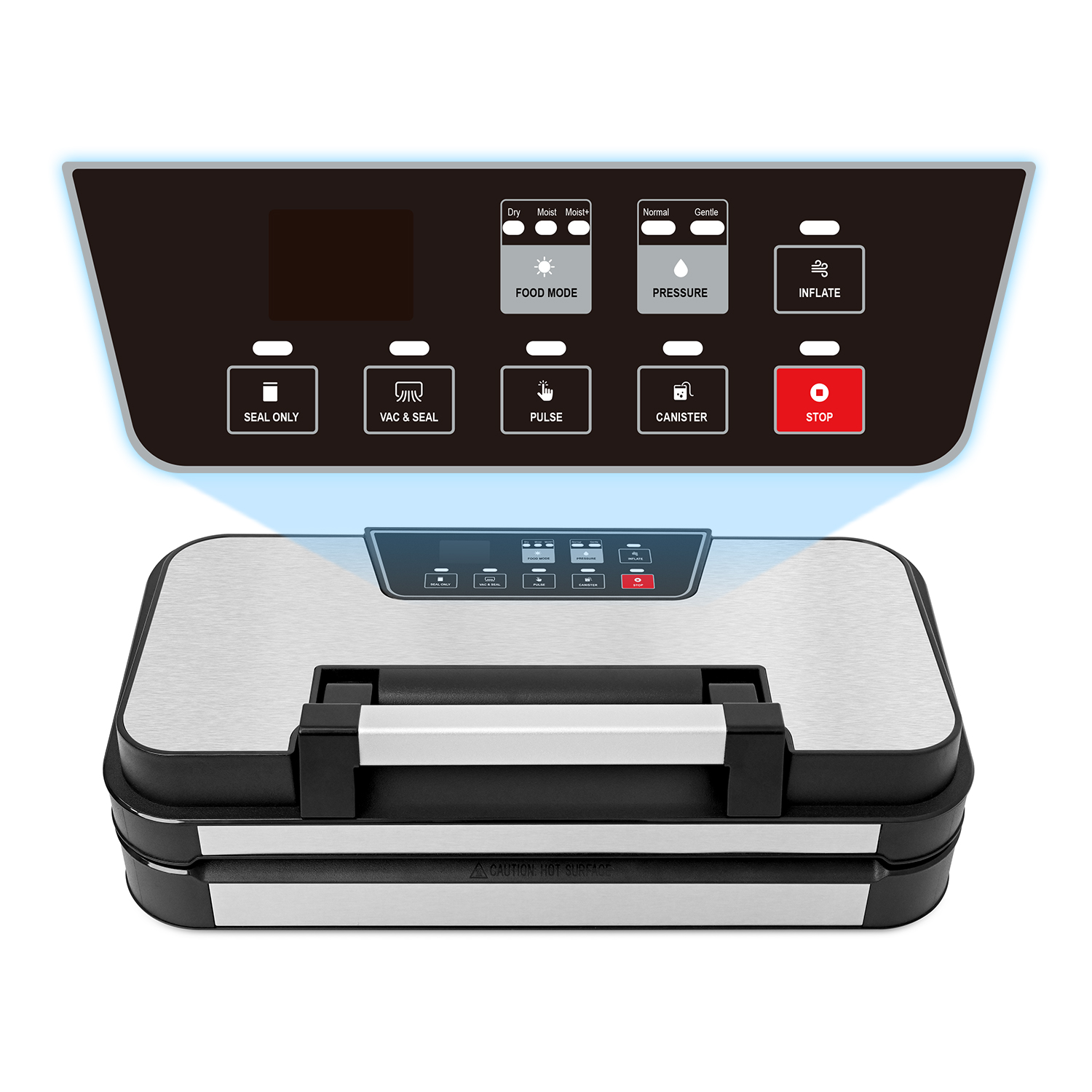
Leading vacuum sealer manufacturers invest significantly in research and development to stay ahead of industry trends and technological advancements. Evaluate their R&D capabilities by examining their patent portfolio, recent product innovations, and collaboration with research institutions or industry partners. A manufacturer with strong R&D capabilities is more likely to provide cutting-edge solutions and continue improving their products over time.
Ask potential manufacturers about their development roadmap and how they incorporate customer feedback into product improvements. The best vacuum sealer manufacturer actively engages with customers to understand evolving market needs and develops solutions accordingly. This collaborative approach ensures that their equipment continues to meet changing industry requirements and technological standards.
Innovation in vacuum sealing technology includes improvements in energy efficiency, automation integration, user interface design, and maintenance requirements. A forward-thinking vacuum sealer manufacturer will demonstrate how their latest models incorporate these technological advances to deliver better performance and operational efficiency.
Every business has unique requirements, and a reliable vacuum sealer manufacturer should offer customization options to meet specific application needs. Evaluate their engineering capabilities and willingness to modify standard products or develop completely custom solutions. This includes mechanical modifications, software customization, and integration with existing production lines or quality control systems.
The engineering support provided by a vacuum sealer manufacturer extends beyond initial customization to include ongoing technical assistance and optimization recommendations. Look for manufacturers with experienced application engineers who understand your industry's specific challenges and can provide valuable insights for improving your packaging processes.
Consider the manufacturer's track record with custom projects similar to your requirements. Request case studies or references from customers with comparable applications. A competent vacuum sealer manufacturer should be able to demonstrate their problem-solving capabilities and provide examples of successful custom implementations across various industries.
Professional installation and commissioning services are crucial for ensuring optimal performance of vacuum sealing equipment. A reliable vacuum sealer manufacturer should provide comprehensive installation support, including site preparation guidance, equipment installation, system integration, and performance validation. This ensures that your equipment operates at peak efficiency from day one.
Evaluate the manufacturer's installation team's expertise and availability in your geographic region. Some vacuum sealer manufacturers maintain regional service centers with certified technicians who can provide faster response times and more personalized service. The quality of installation directly impacts equipment performance, so choose a manufacturer with proven installation capabilities.
The commissioning process should include comprehensive testing, operator training, and documentation handover. A thorough vacuum sealer manufacturer will provide detailed operation manuals, maintenance schedules, and performance benchmarks. They should also offer initial operator training to ensure your team can operate the equipment safely and efficiently.
Long-term technical support is often more important than initial purchase price when evaluating vacuum sealer manufacturers. Examine their maintenance programs, spare parts availability, and technical support response times. A reliable manufacturer should offer preventive maintenance schedules, emergency repair services, and readily available spare parts to minimize downtime.
Consider the manufacturer's support infrastructure, including remote diagnostic capabilities, technical hotlines, and field service networks. Modern vacuum sealer manufacturers often provide remote monitoring and diagnostic services that can predict potential issues before they cause equipment failure. This proactive approach significantly reduces unplanned downtime and maintenance costs.
Evaluate the cost structure for ongoing support services and spare parts. Some vacuum sealer manufacturers offer service contracts that provide predictable maintenance costs and priority support. While these contracts represent additional investment, they often provide better value than ad-hoc service calls and emergency repairs.
The financial stability and market reputation of a vacuum sealer manufacturer significantly impact their ability to provide long-term support and honor warranty commitments. Research the company's history, financial health, and market position within the vacuum sealing equipment industry. Established manufacturers with strong financial foundations are more likely to remain viable partners throughout your equipment's operational life.
Examine customer testimonials, case studies, and industry references to gauge the manufacturer's reputation. A reputable vacuum sealer manufacturer should willingly provide references from existing customers in your industry or similar applications. Contact these references to understand their experience with the manufacturer's products, service quality, and responsiveness to issues.
Industry recognition through awards, certifications, or trade association memberships can also indicate a vacuum sealer manufacturer's standing within the industry. However, focus on substantive achievements rather than marketing claims. Look for evidence of continuous improvement, customer satisfaction, and technological leadership.
Comprehensive warranty coverage demonstrates a vacuum sealer manufacturer's confidence in their products and provides important risk mitigation for your investment. Evaluate warranty terms, including coverage duration, included components, and exclusions. The best manufacturers offer extensive warranties that cover both parts and labor, with clear terms for warranty claim procedures.
Consider the manufacturer's approach to handling warranty claims and their track record for honoring warranty commitments. A reliable vacuum sealer manufacturer should have streamlined warranty processes and demonstrate willingness to address issues quickly and fairly. Ask about their average warranty claim resolution times and customer satisfaction with warranty service.
Extended warranty options and service agreements can provide additional protection for critical applications. Some vacuum sealer manufacturers offer performance guarantees or uptime commitments that further reduce operational risks. Evaluate these options based on your equipment's criticality and the potential impact of equipment downtime on your operations.
Look for ISO 9001 quality management certification as a baseline requirement. For food applications, ensure FDA compliance and food safety certifications. Pharmaceutical applications require GMP compliance. Additionally, check for industry-specific certifications relevant to your application, such as HACCP for food processing or medical device certifications for pharmaceutical packaging.
Geographic location affects delivery times, shipping costs, and service response times. However, don't prioritize proximity over quality and capabilities. Many excellent vacuum sealer manufacturers provide effective remote support and maintain regional service networks. Focus on finding the right balance between manufacturing excellence and logistical convenience for your specific needs.
Ask about spare parts availability and lead times, maintenance schedule recommendations, technical support response times, and service contract options. Inquire about remote diagnostic capabilities, field service coverage in your area, and the manufacturer's approach to emergency repairs. Understanding these factors upfront helps avoid surprises during equipment operation.
Request examples of similar custom projects, ask about their engineering team's experience with your industry, and discuss modification possibilities for standard products. A capable vacuum sealer manufacturer should provide detailed technical discussions about your requirements and offer preliminary design concepts. Evaluate their willingness to invest time in understanding your specific needs and their ability to provide technical solutions.
 EN
EN