Food preservation has evolved significantly with modern technology, and vacuum storage solutions have become essential tools for maintaining freshness and extending shelf life. Understanding which foods benefit most from vacuum storage can help you maximize your investment in preservation equipment and reduce food waste while maintaining optimal nutrition and flavor.
Vacuum storage technology removes air from containers, creating an oxygen-free environment that significantly slows down spoilage processes. This preservation method works by eliminating the primary factor that causes food degradation, oxidation, and bacterial growth. When foods are stored in a vacuum canister, they maintain their nutritional value, texture, and taste for extended periods compared to traditional storage methods.
Coffee represents one of the most dramatic beneficiaries of vacuum storage technology. Coffee beans contain natural oils that oxidize rapidly when exposed to air, leading to stale, bitter flavors. A vacuum canister preserves these essential oils by creating an airtight environment that prevents oxidation. Fresh roasted coffee beans can maintain their peak flavor for weeks longer when stored in vacuum conditions compared to conventional containers.
Ground coffee experiences even more dramatic improvements with vacuum storage. The increased surface area of ground coffee makes it particularly vulnerable to air exposure and moisture absorption. Professional coffee roasters and serious home enthusiasts rely on vacuum canister technology to preserve the aromatic compounds and complex flavors that define premium coffee experiences.
Nuts and seeds contain high levels of natural fats that become rancid quickly when exposed to oxygen. Almonds, walnuts, pecans, and other tree nuts benefit significantly from vacuum storage, maintaining their crisp texture and fresh taste for months rather than weeks. The vacuum environment prevents the oxidation of these healthy fats while preserving the nutritional benefits that make nuts valuable dietary components.
Seeds like sunflower seeds, pumpkin seeds, and chia seeds also experience extended freshness in vacuum storage conditions. These nutrient-dense foods maintain their protein content, healthy fats, and vitamin E levels more effectively when protected from air exposure in a vacuum canister environment.
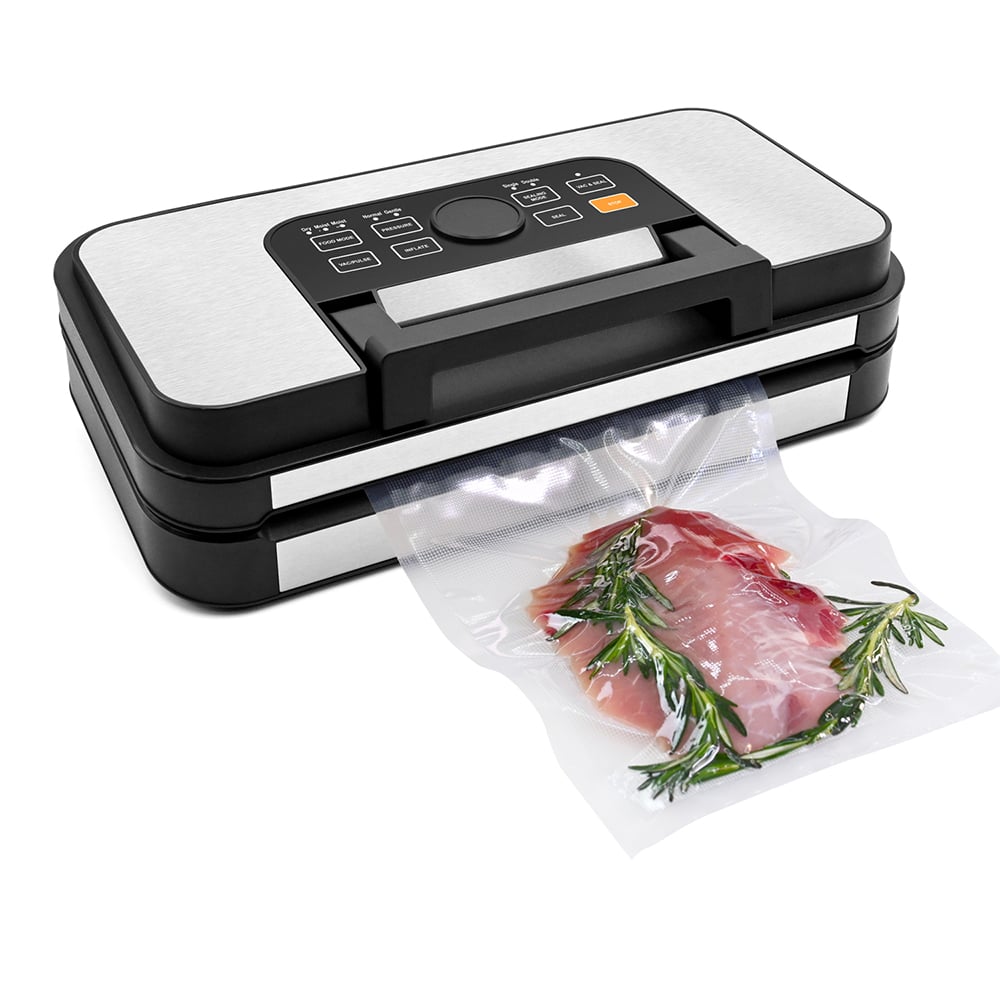
Fresh herbs present unique preservation challenges due to their delicate cellular structure and high moisture content. Basil, cilantro, parsley, and other leafy herbs wilt and lose their aromatic compounds rapidly under normal storage conditions. A vacuum canister creates optimal preservation conditions by removing air while maintaining appropriate moisture levels that prevent dehydration without encouraging bacterial growth.
Vacuum storage particularly benefits herbs with volatile oil compounds that provide their characteristic flavors and aromas. These essential oils evaporate quickly in air but remain stable in vacuum conditions. Professional chefs and culinary enthusiasts use vacuum canister technology to maintain herb quality that rivals freshly harvested specimens even after several days of storage.
Whole spices like peppercorns, cinnamon sticks, and cardamom pods maintain their potency significantly longer in vacuum storage. The aromatic compounds that give spices their distinctive flavors remain concentrated and stable when protected from air exposure. Ground spices experience even more dramatic preservation benefits, as their increased surface area makes them particularly susceptible to oxidation and flavor loss.
Expensive specialty spices such as saffron, vanilla beans, and star anise represent substantial culinary investments that benefit greatly from vacuum canister preservation. These premium ingredients maintain their full flavor profiles and aromatic intensity for extended periods when stored in oxygen-free environments.
Dried fruits like raisins, dates, and apricots benefit from vacuum storage by maintaining their chewy texture and preventing crystallization of natural sugars. The vacuum environment prevents moisture absorption that can lead to clumping and texture degradation. Dehydrated vegetables such as mushrooms, tomatoes, and peppers retain their concentrated flavors and nutritional content more effectively in vacuum canister conditions.
Fruit leather, vegetable chips, and other processed dried foods experience enhanced shelf stability in vacuum storage. These items maintain their intended textures and prevent the development of off-flavors that occur when exposed to air and moisture. The vacuum canister environment preserves the investment in premium dried foods while ensuring consistent quality over time.
Certain fermented foods benefit from vacuum storage once their fermentation process is complete. Items like dried miso, fermented tea leaves, and aged cheese products maintain their complex flavor profiles when stored in controlled vacuum environments. The vacuum canister prevents unwanted secondary fermentation while preserving the beneficial compounds developed during the initial fermentation process.
Probiotics supplements and cultured food powders require protection from moisture and oxygen to maintain their viable bacterial cultures. Vacuum storage provides ideal conditions for preserving these beneficial microorganisms while preventing contamination from environmental factors that could compromise their effectiveness.
Whole grains like quinoa, brown rice, and wild rice contain natural oils in their bran layers that can become rancid when exposed to air. A vacuum canister prevents this oxidation while protecting against pest infiltration that commonly affects grain storage. Premium rice varieties such as jasmine, basmati, and arborio maintain their distinctive aromas and cooking characteristics longer when stored in vacuum conditions.
Ancient grains including farro, spelt, and kamut benefit particularly from vacuum storage due to their higher oil content compared to processed grains. These nutritious alternatives to modern wheat products maintain their nutty flavors and nutritional profiles when protected from air exposure in vacuum canister environments.
Nut flours, coconut flour, and other alternative baking ingredients experience significant preservation benefits from vacuum storage. These specialty flours contain high fat content that oxidizes rapidly in air, leading to rancid flavors and reduced baking performance. The vacuum canister environment maintains the fresh taste and functional properties that make these ingredients valuable for specialized dietary requirements.
Whole grain flours and meals retain their nutritional value and baking properties more effectively in vacuum storage conditions. The vacuum environment prevents the development of bitter flavors that occur when the natural oils in whole grain products oxidize during extended storage periods.
Beef jerky, turkey jerky, and other dried meat products maintain their texture and flavor integrity when stored in vacuum canister conditions. The vacuum environment prevents moisture absorption that can lead to spoilage while maintaining the chewy consistency that defines quality jerky products. Premium artisanal jerky benefits particularly from vacuum storage that preserves complex seasoning blends and natural meat flavors.
Fish jerky, salmon strips, and other seafood-based dried products experience enhanced preservation in vacuum storage. These protein sources maintain their nutritional value while preventing the development of fishy off-flavors that occur when exposed to air and light during storage.
Whey protein, plant-based protein powders, and nutritional supplements benefit from vacuum canister storage by preventing clumping and maintaining solubility. The vacuum environment protects these products from moisture absorption while preserving their nutritional potency and mixing characteristics. Premium protein supplements represent significant investments that justify the protection provided by vacuum storage technology.
Specialized supplements like collagen peptides, amino acid powders, and meal replacement products maintain their effectiveness longer when stored in controlled vacuum environments. The vacuum canister prevents oxidation of sensitive nutrients while ensuring consistent product performance throughout the storage period.
Foods stored in a vacuum canister typically maintain freshness two to five times longer than traditional storage methods. Coffee beans can stay fresh for 2-3 weeks instead of 3-5 days, while nuts and seeds can maintain quality for 6-8 months compared to 2-3 months in regular containers. The exact extension depends on the specific food type and storage conditions.
While many foods benefit from vacuum storage, some items are not suitable for this preservation method. Fresh fruits and vegetables with high water content can be damaged by vacuum pressure, and soft breads may be compressed. Vacuum canister storage works best for dry goods, nuts, coffee, spices, and foods that don't require air circulation for proper preservation.
Vacuum canister systems require minimal maintenance when used properly. Regular cleaning with mild soap and water keeps containers hygienic, while checking seals and gaskets ensures proper vacuum retention. Most quality vacuum storage systems maintain their sealing capability for years with basic care and occasional replacement of wear components like gaskets.
Vacuum storage actually helps preserve nutritional value by preventing oxidation that degrades vitamins and beneficial compounds. Foods stored in a vacuum canister maintain higher levels of vitamin E, antioxidants, and essential fatty acids compared to traditional storage methods. The oxygen-free environment prevents nutrient loss while maintaining the foods' natural nutritional profiles over extended periods.
 EN
EN