 EN
EN

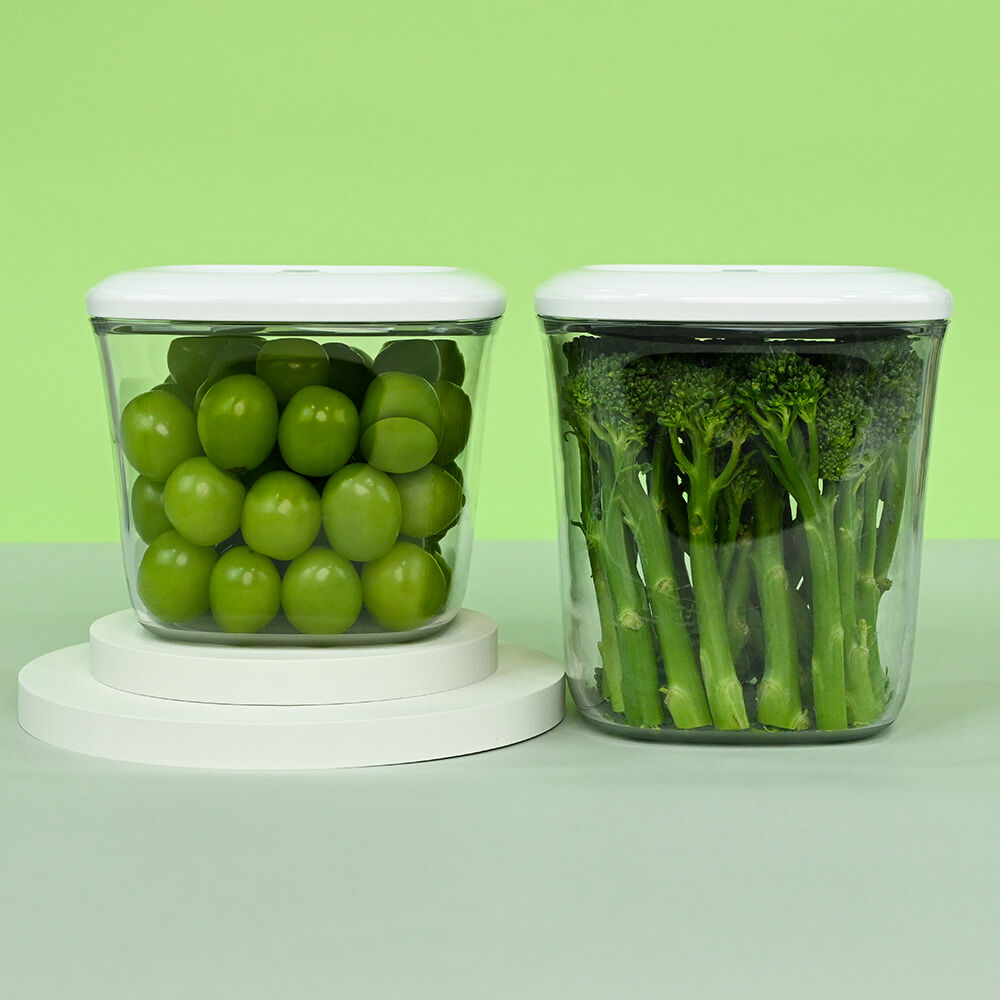
Եթե դուք երբևէ բացել եք սառնարանը և հայտնաբերել, որ երեկվա խնամքով պատրաստված մթերքները արդեն սկսել են կորցնել իրենց թարմությունը, ապա գիտեք, թե որքան արագ կարող է մթերքի թարմությունը վատանալ: Ա տնային վակուումային սեղմակ սա այսօր ամենագործնական խոհանոցային գործիքներից մեկն է ցանկացած մարդու համար, ով լուրջ է վերաբերվում ճաշի պատրաստմանը, մթերքի թափոնների նվազեցմանը և իր պահեստասենյակի ու սառնարանի իսկական կազմակերպմանը: Պահեստավորման պայուսակների և ամաններից օդի հեռացման միջոցով այն ստեղծում է օդափակ միջավայր, որը զգալիորեն замեդլում է օքսիդացումը, բակտերիաների աճը և խոնավության կորուստը՝ սառնարանում մթերքի չորացման երեք հիմնական պատճառները:
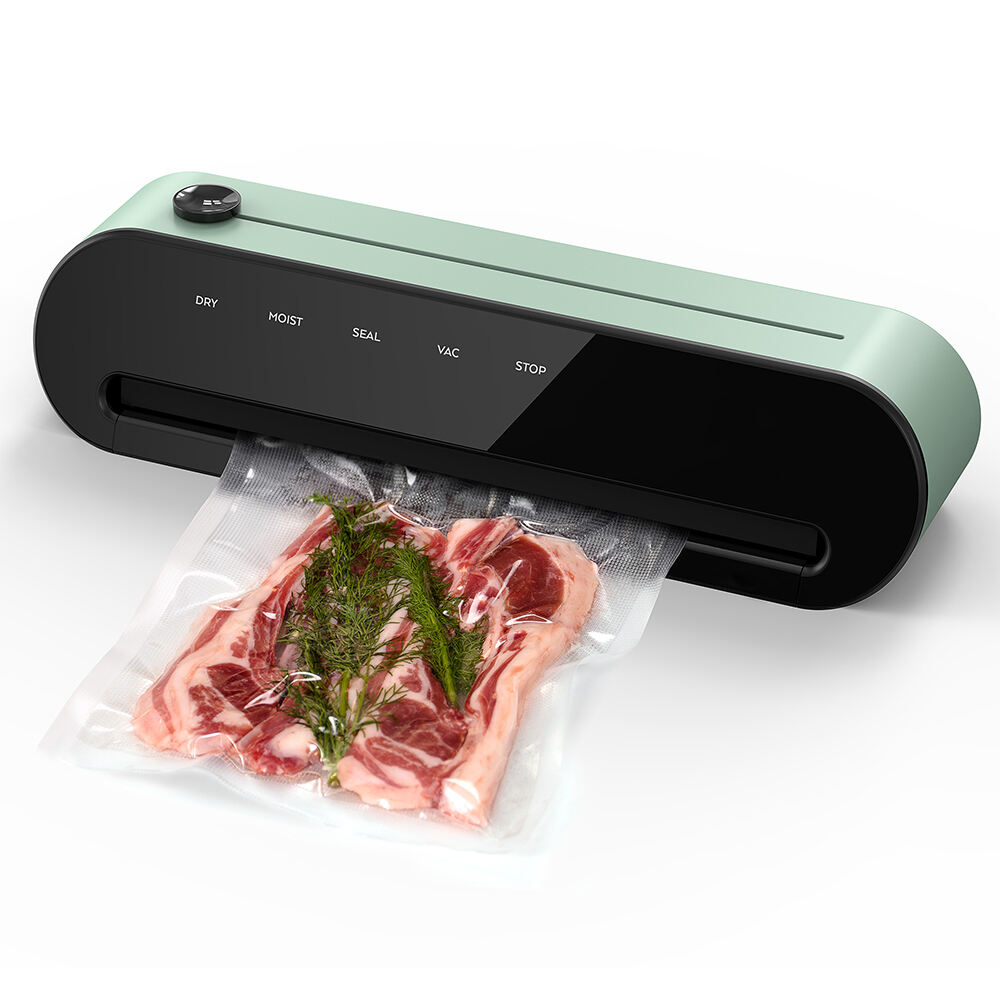
Ճաշի պատրաստման մեթոդները վերջին տասնամյակում կտրուկ փոխվել են: Ավելի շատ ընտանիքներ շաբաթավերջերին մեծ քանակությամբ են պատրաստում ճաշեր, բաժանում են սպիտակուցային մթերքները և նախապես պատրաստում են արդեն եփելու համար պատրաստ ճաշեր՝ զբաղված աշխատանքային օրերին ժամանակ խնայելու համար: Ա տնային վակուումային սեղմակ հարմարվում է այս աշխատանքային գործընթացին՝ տնային եփումների համար ապահովելով հուսալի մեթոդ իրենց ջանքերը երկար պահելու, սննդային արժեքը պահպանելու և ավելի կառուցված պահեստավորման համակարգ ստեղծելու համար: Հասկանալը, թե ինչպես է այս գործիքը բարելավում ձեր խոհանոցային ռուտինը, կօգնի ձեզ որոշել, թե ինչպես է ամենաարդյունավետ կերպով ներառել այն ձեր առօրյա կյանքում:
Տնային վակուումային սեղմակի և սննդի պահպանման հիմնարար մեխանիզմը
Ինչպես է վակուումային սեղմումը դանդաղեցնում սննդի վատացումը
Վակուումային սեղմակի տնային վակուումային սեղմակ գիտական հիմքը պարզ է, սակայն բավականին արդյունավետ: Երբ օդը հեռացվում է սեղմված պայուսակից կամ ամանից, սպառումը արագացնող թթվածինը հիմնականում վերացվում է: Թթվածինը սնուցում է աերոբ բակտերիաների և սունկերի աճը, ինչպես նաև առաջացնում է ճարպերում և գունանյութերում օքսիդացման ռեակցիաներ, որոնք առաջացնում են վատ համ և գունային փոփոխություններ: Ստեղծելով թթվածնի ցածր մակարդակ ունեցող միջավայր՝ տնային վակուումային սեղմակը զգալիորեն դանդաղեցնում է այս գործընթացները:
Սառնարանում պահպանվող ապրանքների համար, ինչպես օրինակ՝ մարինացված մսեր, կտրատված բանջարեղեն և եփված հացահատիկներ, վակուումային փաթեթավորումը կարող է երկարացնել թարմությունը մի քանի օրից մեկ շաբաթից ավելի: Ավելի շատ տարբերություն է նկատվում սառեցված ապրանքների դեպքում: Սովորական պլաստիկ պայուսակներում սառցակալման վնասվածքը զարգանում է շաբաթների ընթացքում, իսկ վակուումային փաթեթավորված ապրանքները մի քանի ամիս պահպանում են իրենց կառուցվածքը և համը: Այս երկարացված պիտանիության ժամկետը ոչ միայն հարմարավետ է, այլև ուղղակիորեն նվազեցնում է այն սննդի քանակը, որը վերացվում է:
Որակ տնային վակուումային սեղմակ սովորաբար ներառում է ինչպես «չոր» (չոր ռեժիմ), այնպես էլ «խոնավ» (խոնավ ռեժիմ) ռեժիմներ, որոնք թույլ են տալիս ճշգրտել փակման գործընթացը՝ կախված սննդի տեսակից: «Չոր» ռեժիմը նախատեսված է չիպսերի, ընկույզների և այլ չոր բաղադրիչների համար՝ չթեթևացնելով դրանք չափից շատ, իսկ «խոնավ» ռեժիմը օպտիմալացված է սպիտակուցների, մրգերի և հեղուկով մարինացված ապրանքների համար, որտեղ կնքման մոտ գտնվող հեղուկը կարող է խաթարել օդանցքի ամրագործումը: Հենց այս ֆունկցիոնալ ճկունությունն է, որը տարբերակում է լավ նախագծված սարքը հիմնարար մոդելից:
«Չոր» և «Խոնավ» ռեժիմների գործունեության բացատրություն
Ռեժիմների ընտրության հասկանալը կարևոր է բոլոր այն մարդկանց համար, ովքեր ցանկանում են իրենց տնային վակուումային սեղմակ սարքից առավելագույնս օգտվել: «Խոնավ» ռեժիմը սովորաբար ճշգրտում է կնքման ցիկլը՝ այնպես, որ տաքացման տարրը մի փոքր վաղ է ակտիվանում վակուումավորման գործընթացի ընթացքում, ինչը կանխում է հեղուկի սարքի մեջ ներծծվելը՝ մինչև կնքումը ավարտվի: Սա հատկապես կարևոր է այնպիսի ապրանքներ կնքելիս, ինչպես օրինակ՝ թարմ ձուկ, մարինավորված հավի ազդրեր կամ ջրով եփած բանջարեղեն՝ մնացորդային խոնավությամբ:
«Չոր» ռեժիմը, մյուս կողմից, թույլ է տալիս վակուումավորման ամբողջ ցիկլն ավարտվել կնքման առաջ, ինչը գաղութավորված բաղադրիչների համար է ամենահարմարը, որտեղ ավելի խիտ վակուումը երկարացնում է պահպանման ժամկետը: Շատ ժամանակակից տնային վակուումային սեղմակ սարքեր նաև մատակարարվում են հեռացվող կաթիլների սածլատակով՝ սարքի մեջ ներծծվող հեղուկը կանգնեցնելու համար նախատեսված մասով: Դա հեշտացնում է մաքրումը և երկար ժամանակ պաշտպանում է սարքի ներքին մասերը խոնավության վնասից:
Իմանալը, թե որ ռեժիմն է պետք օգտագործել և ինչու, տնային խոհարարին շատ ավելի մեծ վերահսկողություն է տալիս սեղմափակման արդյունքի վրա: Դա նաև կանխում է տարածված խնդիրները՝ անավարտ սեղմափակումները, հեղուկի մեքենայի ներսում աղտոտումը կամ սակավ օրվա ընթացքում վակուումի կորուստը պայուսակներում՝ բացառապես այն պատճառով, որ սեղմափակումը ճիշտ չի ձևավորվել խոնավ եզրի վրա:
Շաբաթական սննդի պատրաստման վերափոխումը տնային վակուումային սեղմափակիչով
Մեծ քանակով պատրաստում և նախապես պատրաստված պահեստավորում
Մեծ քանակով պատրաստումը ամենատարածված մեթոդներից մեկն է օրական եփելու ժամանակը նվազեցնելու համար, իսկ մի վակուումային սեղմափակիչ տնային վակուումային սեղմակ այս մոտեցման համար, ամենայն հավանականությամբ, լավագույն համադրվող գործիքն է: Երբ դուք շաբաթվա կիրակի օրը մեծ քանակությամբ սպիտակուց եք պատրաստում՝ հավի կրծքամսեր, մսի համեմունք, մսի մանրացված միս, նպատակն այն է, որ շաբաթվա ընթացքում ունենաք պատրաստի ճաշեր կամ պատրաստելու համար պատրաստված մասեր: Վակուումային սեղմափակման բացակայության դեպքում սրանք սառնարանում անվտանգ պահելու ժամկետը սովորաբար երեքից չորս օր է:
Հետ կամ տնային վակուումային սեղմակ այդ պատուհանը հարմարավետ ձգվում է մինչև յոթից տասը օր սառնարանում, իսկ եթե մասերը սառեցնեք, ապա կարող եք դրանք օգտագործել շաբաթներ կամ ամիսներ անց՝ որակի շատ փոքր վատացմամբ: Սա ուղղակիորեն փոխում է մեծ քանակով պատրաստման տնտեսական և տրանսպորտային տրամաբանությունը: Դուք այլևս չեք ստիպված չորս հաջորդական օր միևնույն ճաշը ուտել; կարող եք սառեցված մասերը տարբեր ժամանակներում ազատել սառույցից և օգտագործել, ինչը սննդակարգի մեջ տարբերակում է ավելացնում՝ առանց շաբաթվա ընթացքում լրացուցիչ եփելու ջանք գործադրելու:
Նախնական մասերի բաժանումը նույնքան արժեքավոր է: Փոխարենը, որ մեծ պատվաստանյութի կամ սուրճի մի ամբողջ տոպրակի պահեք և օրեր կամ շաբաթներ շարունակ բազմաթիվ անգամ բացեք այն, մեկ տնային վակուումային սեղմակ հնարավորություն է տալիս մեծ քանակով գնված ապրանքները բաժանել մեկ անձի համար նախատեսված մասերի, որոնք յուրաքանչյուրը առանձին կնքված են: Երբ դուք բացում եք մեկ մաս, մյուսները անձեռնմխելի են մնում և ամբողջովին պահպանվում են: Այս մոտեցումը հիասքանչ աշխատում է չոր ապրանքների, պանիրների, խորտիկների և նույնիսկ թխվածքների համար:
Մարինացում և սու վիդ պատրաստում
Մարինացում և սու վիդ պատրաստումը մեկն է այն պատրաստման եղանակներից, որոնք առաջին հայացքից այնքան ստույգ չեն թվում, սակայն իրականում իսկապես ազդեցություն ունեն տնային վակուումային սեղմակ ճաշի պատրաստման արդյունավետությունը բարձրացվում է արագացված մարինացման միջոցով։ Երբ սպիտակուցը վակուում-փակվում է մարինադի հետ, օդի հեռացումը նպաստում է մսի բջիջների փոքր-ինչ ընդլայնմանը, ինչը մարինադին թույլ է տալիս խորանալ և ներթափանցել ավելի արագ։ Այն, ինչ սովորաբար պահանջում է մեկ գիշեր, հաճախ հնարավոր է ստանալ 30–60 րոպեում՝ օգտագործելով վակուում-փակված մարինացում։
Սա ոչ միայն ժամանակ խնայողության առավելություն է, այլև ապահովում է ավելի համասեռ համային արդյունք, քանի որ մարինադը ներթափանցում է մկանային մածուցիկի խորքը՝ այլ ոչ թե միայն մակերեսը պատելով։ Ճաշի պատրաստման համար նախապատրաստվողների համար, ովքեր ցանկանում են համեղ, լավ զարգացած համեր՝ առանց ժամեր սպասելու, այս մեթոդը իսկապես հեղափոխական լուծում է, որը հնարավոր է դարձել հուսալի տնային վակուումային սեղմակ .
Ավելին, վակուում-փակված պայուսակները սու վիդ եփելու մեթոդի ստանդարտ անոթներն են, որը ներառում է փակված սննդի մշակումը ճշգրիտ ջերմաստիճանով վերահսկվող ջրի լողավազանում։ Շատ տնային խոհարարներ, ովքեր ներդրում են սու վիդ շրջիչի մեջ, նաև ներդրում են մի տնային վակուումային սեղմակ հատկապես այս նպատակի համար։ Արդյունքը ռեստորանային որակի տեքստուրաներ են, որոնք ձեռք են բերվում նվազագույն ակտիվ եփելու ժամանակով, ինչը բնականաբար հարմարվում է կառուցված սննդի պատրաստման ռեժիմին։
Խոհանոցի և սառնարանի ավելի արդյունավետ կազմակերպում
Կոմպակտ պահեստավորում և տարածքի օգտագործման արդյունավետություն
Վակուումավորված պայուսակների ամենաակնհայտ կազմակերպական առավելություններից մեկը տնային վակուումային սեղմակ պահեստավորման ծավալի նվազեցումն է։ Վակուումավորված պայուսակները իրենց պարունակությունը զգալիորեն սեղմում են՝ համեմատած թեթև լցված տարաների կամ մնացած օդ պարունակող զիպ-լոկ պայուսակների հետ։ Վակուումավորված հավի մասերի մի շարք զբաղեցնում է սառնարանի տարածքի միայն մի փոքր մասը՝ համեմատած նույն քանակությամբ սովորական տարաներով պահված ապրանքների հետ։
Այս կոմպակտությունը ուղղակիորեն հանգեցնում է ավելի կազմակերպված սառնարանի և սառնարանի բաժնի ստեղծմանը: Երբ բոլոր մասերը հարթ են կնքված և միատեսակ ձևավորված, դրանք կարող են ուղղահայաց շարվել՝ ինչպես դարակում գտնվող թղթերը, ինչը թույլ է տալիս ակնարկային տեսանելիությամբ ճշգրիտ տեսնել, թե ինչ ունեք: Միայն տեսողական պարզությունը նվազեցնում է սննդամթերքի դարակի հետին մասում մոռացվելու և վերջապես կորցվելու հավանականությունը: Կազմակերպվածությունը և թափոնների նվազեցումը ձեռք ձեռքի են գնում, երբ « տնային վակուումային սեղմակ »-ը մտնում է համակարգի մեջ:
Պահեստավորման համար վակուումային փակումը հարմար է չոր ապրանքների համար, ինչպես օրինակ՝ ալյուր, բրինձ, չորացրած խոտաբույսեր և սուրճ. դա արդյունավետորեն պաշտպանում է նրանց խոնավությունից, վնասատուներից և համի վատացումից: Այն սարքերը, որոնք ներառում են առավելացված միացման խողովակ տարաների և շշերի համար, ընդլայնում են այս հնարավորությունը միայն սակագներից դուրս, թույլ տալով մշտապես անթափանց փակել նախատեսված վակուումային տարաները: Սա հատկապես օգտակար է այն ապրանքների համար, որոնք բազմաթիվ անգամ բացվում են և կրկին փակվում, օրինակ՝ սպիտակուցային փոշիները, հատուկ հացահատիկները կամ թեյի տերևները:
Նշանակում, պտտում և երկարաժամկետ պաշարների վերահսկում
Ա տնային վակուումային սեղմակ լավ է համատեղվում պարզ նշանակման պրակտիկայի հետ։ Քանի որ վակուումային պայուսակները ունեն հարթ և հարթ մակերես, նշանակման սարքը կամ նույնիսկ մշտական մատիտը կարող է հստակ նշել պարունակությունը և սեռափակման ամսաթիվը։ Սա շատ հեշտ է դարձնում ձեր սառնարանում «առաջինը մտավ, առաջինը դուրս եկավ» պտտման համակարգի իրականացումը՝ այն պրակտիկան, որին սննդի սպասարկման մասնագետները հենվում են թափոնների նվազեցման և սննդի անվտանգության ապահովման համար։
Երբ ճիշտ գիտեք, թե յուրաքանչյուր փաթեթում ինչ է պարունակվում և երբ է այն սեռափակվել, կարող եք ճաշերի պլանավորում կատարել՝ հիմնվելով այն ապրանքների վրա, որոնք առաջին հերթին պետք է օգտագործվեն։ Սա վերացնում է ենթադրությունները և երբեմն անհաճելի հանգամանքը՝ հայտնաբերել անհայտ սառեցված ապրանք, որը անհայտ ժամանակահատված է մնացել սառնարանում։ Արդյունքում ստացվում է խոհանոց, որը գործում է կառուցված արդյունավետությամբ, ինչը սովորաբար մարդիկ կապում են միայն մասնագիտական միջավայրերի հետ։
Ժամանակի ընթացքում այս համակարգի պահպանումը հետևյալ հետևյալ տնային վակուումային սեղմակ ստեղծում է գրեթե ավտոմատ սովորույթ՝ նպատակասլաց սննդի պահպանման համար: Մնացորդները պարզապես անկազմակերպ տեղադրել մի տարայի մեջ և հույս ունենալ լավագույնի վրա փոխարեն՝ յուրաքանչյուր առարկայի լուրջ կնքումն ու ամսաթվավորումը վերածվում է արագ, բավարարող ծեսի, որը բերում է շահույթ ինչպես սննդի որակի, այնպես էլ տնային բյուջեի վրա՝ ամբողջ շաբաթվա և ամսվա ընթացքում:
Ձեր խոհանոցի աշխատանքային հոսքի համար ճիշտ տնային վակուումային կնքիչի ընտրություն
Հիմնական հատկանիշներ, որոնք աջակցում են սննդի պատրաստման նպատակներին
Ոչ բոլոր տնային վակուումային սեղմակ վակուումային կնքիչներն են հավասարապես հարմար սովորական սննդի պատրաստման պահանջներին: Հաճախակի օգտագործման դեպքում կարևոր է կոմպակտությունը. այն սարքը, որը զբաղեցնում է նվազագույն մակերես վարագույրի վրա, սակայն միշտ հասանելի է, շատ ավելի հավանական է, որ այն կօգտագործվի հաստատուն կերպով, քան մեծ չափսի սարքը, որը պահվում է պահարանում: Կառուցված կտրիչը մեկ այլ շատ գործնական հատկանիշ է, քանի որ թույլ է տալիս ձեզ անմիջապես կտրել պայուսակները անհրաժեշտ երկարությամբ փաթեթից՝ առանց մկրատի կամ չափման անհրաժեշտության:
Լիովին ավտոմատ գործառույթը մեկ այլ կարևոր գործոն է, որը պետք է հաշվի առնել: Ձեռքով կառավարվող սարքում օգտագործողը պետք է հսկի վակուումավորման գործընթացը և որոշի, երբ պետք է ակտիվացնի կնքումը: Լիովին ավտոմատ տնային վակուումային սեղմակ կատարում է այս ամբողջ հաջորդականությունը՝ առանց միջամտության. այն հայտնաբերում է, երբ հասնում է օպտիմալ վակուումի մակարդակին, և ինքնաբերաբար կնքվում է: Սա մեծ հարմարավետություն է տալիս զբաղված ճաշի պատրաստման ժամանակ, երբ կարող եք միաժամանակ կառավարել մի քանի խնդիր:
Աքսեսուարների միացման ծորանի առկայությունը զգալիորեն ընդարձակում է տնային վակուումային սեղմակ հնարավորությունները: Համապատասխան ծորանի և համատեղելի տարաների օգտագործմամբ կարող եք վակուումավորել գինու շիշեր, ապակե տարաներ և կոշտ կանիստրներ՝ այնպիսի ձևաչափեր, որոնք չեն համատեղվում ստանդարտ պայուսակների հիման վրա կնքման հետ: Այս բազմակի կիրառելիությունը սարքը օգտակար է դարձնում ոչ միայն սպիտակուցների և պատրաստի ճաշերի, այլև պահեստային մթերքների, ըմպելիքների և հատուկ բաղադրիչների համար, որոնք շահում են օդափակ պահպանման արդյունքում:
Օրինական օգտագործման համար գործնական դատողություններ
Մաքրման հեշտությունը մի գործոն է, որը շատ ակնհայտ է դառնում սարքի կանոնավոր օգտագործման հետևանքով: տնային վակուումային սեղմակ հեռացվող կաթիլների սայլակը կարևոր դիզայնային հատկանիշ է, քանի որ այն հավաքում է սեղմման ընթացքում արտահոսող ցանկացած հեղուկ և կարող է հեռացվել ու մաքրվել առանձին՝ առանց ջրի ներխուժման սարքի ներսը: Առանց այս հատկանիշի խոնավ ապրանքներ սեղմելուց հետո մաքրումը դառնում է բարդ և մեծացնում է ներքին խոնավության պատճառով վնասվելու ռիսկը:
Պայուսակների համատեղելիությունը նույնպես կարևոր հարց է: Որոշ սարքեր սահմանափակված են միայն սեփական պայուսակների գլաններով, ինչը կարող է մեծացնել շարունակական ծախսերը: Մյուսները համատեղելի են ստանդարտ ռելիեֆավորված վակուումային պայուսակների հետ, որոնք հասանելի են բազմաթիվ մատակարարների մոտ, ինչը օգտագործողին տալիս է ավելի մեծ ճկունություն սպառելի նյութերի մատակարարման հարցում: Ընտրելիս տնային վակուումային սեղմակ , երկարաժամկետ սպառելի նյութերի ծախսերի հասկացումը նույնքան կարևոր է, որքան սկզբնական գնման գնի գնահատականը:
Վերջապես, մտածեք այն մասին, թե որտեղ կտեղադրվի սարքը ձեր խոհանոցում: Փոքր չափսերը տնային վակուումային սեղմակ նեղ հիմք ունեցող սարքը կարող է տեղադրվել տոստերի մեքենայի կամ սուրճի մեքենայի կողքին՝ առանց գերազանցելու բարձրացված մակերեսի տարածքը: Ո quanto ավելի հեշտ է սարքին մուտք գործել և այն օգտագործել, այնքան ավելի հաճախ կօգտագործվի՝ իսկ այդ հաճախակի օգտագործումը հնարավորություն է տալիս իրական վերադարձ ստանալ ներդրումից՝ ավելի արդյունավետ ճաշերի պատրաստման և սննդի պակասի նվազեցման շնորհիվ:
Հաճախադեպ տրվող հարցեր
Վակուումային փաթեթավորված սնունդը որքան ժամանակ է պահպանվում համեմատած սովորական պահպանման հետ:
Վակուումային փաթեթավորված սնունդը սովորաբար պահպանվում է երկու անգամից մինչև հինգ անգամ ավելի երկար, քան նույն սնունդը, որը պահվում է սովորական պայուսակներում կամ ամաններում: Շաքարավազային պայմաններում պահվող եփված սպիտակուցները կարող են պահպանվել յոթից տաս օր, իսկ սովորական պայմաններում՝ երեքից չորս օր: Ավելի ցածր ջերմաստիճանում վակուումային փաթեթավորված միսը կարող է պահպանվել լավ վիճակում մեկից երեք տարի, իսկ սովորական սառնարանային պահպանման դեպքում սառցակալման վնասը սովորաբար նկատելի է դառնում մեկից երեք ամսվա ընթացքում: Տնային վակուումային սեալերը գործնականում բոլոր սննդամթերքի կատեգորիաներում էապես երկարացնում են օգտագործման ժամկետը:
Կարելի է արդյո՞ք տնային վակուումային սեալերը օգտագործել հեղուկների կամ շատ խոնավ սննդամթերքների համար:
Այո, սակայն տեխնիկան կարևոր է: Շատ տնային վակուում-կնքող սարքեր ունեն խոնավ ռեժիմ, որը սկսում է կնքումը մի փոքր վաղ ցիկլի ընթացքում՝ հեղուկի կնքման տեղամաս հասնելը կամ սարքի մեջ մտնելը կանխելու համար: Շատ հեղուկային ապրանքների, օրինակ՝ ամբողջական համեմունքների կամ աճած ապուրների համար առաջարկվում է նախապես մասնակիորեն սառեցնել դրանք, ինչից հետո հեղուկը սառչում է և թույլ է տալիս մաքուր կնքում կատարել: Սարքի մեջ տեղադրված կաթիլների սայլակը նույնպես օգնում է բռնել գործընթացի ընթացքում առաջացող փոքր քանակի հեղուկի արտահոսքը:
Տնային վակուում-կնքող սարքի օգտագործումը դժվար է արդյո՞ք մեկի համար, ով նոր է սկսել սննդի պատրաստումը:
Ժամանակակից ամբողջությամբ ավտոմատացված տնային վակուում-կնքող սարքը նախատեսված է օգտագործման հեշտության համար: Օգտագործողը պայուսակի բաց ծայրը տեղադրում է կնքման անցքում, ըստ սննդի տեսակի ընտրում է չոր կամ խոնավ ռեժիմ, իսկ սարքը ինքնուրույն կատարում է վակուումավորումն ու կնքումը: Շատերը առաջին երկու կամ երեք անգամ օգտագործելուց հետո արդեն հարմարվում են այդ գործընթացին: Հիմնական սովորման կորը կապված է ճիշտ պայուսակի չափսի և ռեժիմի ընտրության հետ, որոնք շատ արագ դառնում են ինտուիտիվ:
Կարո՞ղ է տնային վակուումային սելերը ժամանակի ընթացքում նվազեցնել սննդամթերքի և սննդի ծախսերը:
Անշատ: Տնային վակուումային սելերի ամենաուղղակի ֆինանսական առավելություններից մեկը սպիտակուցների և բանջարանոցային մթերքների մեծ քանակով գնելու հնարավորությունն է, երբ գները նպաստավոր են, ապա դրանք պահպանել մասնատված քանակներով՝ առանց որակի կորստի: Սննդի թափոնների նվազեցումը նույնպես անմիջապես վերածվում է խնայողության, քանի որ սառեցման կամ չորացման պատճառով վնասված սննդի քանակը նվազում է: Այն տնտեսությունների համար, որոնք սովորաբար պատրաստում են ճաշերը առաջարկված ժամանակահատվածի համար, սննդի թափոնների նվազեցման և մեծ քանակով գնելու շնորհիվ առաջացած ծախսերի նվազեցումը սովորաբար հատուցում է սարքի արժեքը մի քանի ամսվա ընթացքում՝ անընդհատ օգտագործման դեպքում:
Բովանդակության ցուցակ
- Տնային վակուումային սեղմակի և սննդի պահպանման հիմնարար մեխանիզմը
- Շաբաթական սննդի պատրաստման վերափոխումը տնային վակուումային սեղմափակիչով
- Խոհանոցի և սառնարանի ավելի արդյունավետ կազմակերպում
- Ձեր խոհանոցի աշխատանքային հոսքի համար ճիշտ տնային վակուումային կնքիչի ընտրություն
-
Հաճախադեպ տրվող հարցեր
- Վակուումային փաթեթավորված սնունդը որքան ժամանակ է պահպանվում համեմատած սովորական պահպանման հետ:
- Կարելի է արդյո՞ք տնային վակուումային սեալերը օգտագործել հեղուկների կամ շատ խոնավ սննդամթերքների համար:
- Տնային վակուում-կնքող սարքի օգտագործումը դժվար է արդյո՞ք մեկի համար, ով նոր է սկսել սննդի պատրաստումը:
- Կարո՞ղ է տնային վակուումային սելերը ժամանակի ընթացքում նվազեցնել սննդամթերքի և սննդի ծախսերը: