The way we store food has evolved dramatically over the years, and at the forefront of this evolution stands the compact vacuum sealer. This innovative kitchen appliance has transformed how households preserve their food, maximize storage space, and reduce waste. By removing air from storage bags and creating an airtight seal, these devices extend food freshness up to five times longer than conventional storage methods. Whether you're a busy parent trying to optimize meal prep or a culinary enthusiast looking to preserve seasonal ingredients, a compact vacuum sealer offers practical solutions for modern food storage challenges.
A compact vacuum sealer operates through a sophisticated yet user-friendly mechanism. The device creates a powerful suction that removes air from specially designed bags or containers. At its heart lies a motor that generates the vacuum pressure, coupled with a sealing element that creates an airtight closure. The control panel typically features simple, intuitive buttons for different sealing options, while the compact design ensures it doesn't monopolize valuable counter space.
Modern compact vacuum sealers come equipped with smart features that elevate their functionality. Moisture detection sensors prevent liquid-heavy foods from compromising the sealing process. Adjustable vacuum strength settings accommodate different food types, from delicate berries to robust cuts of meat. Some models even offer pulse vacuum functions for optimal control when sealing crushable items like chips or crackers.
When using a compact vacuum sealer, you're essentially creating an environment that significantly slows down food degradation. By removing oxygen, you inhibit the growth of aerobic bacteria and fungi that cause food spoilage. This process also prevents oxidation, which can affect food color, texture, and nutritional value. The airtight seal prevents freezer burn in frozen foods by eliminating ice crystal formation that typically occurs due to air exposure.
The impact of vacuum sealing on food longevity is remarkable. Fresh vegetables that typically last one week in standard storage can maintain freshness for two to three weeks when vacuum sealed. Frozen meats sealed this way can stay fresh for up to three years, compared to six months with conventional freezer bags. Even pantry items like coffee beans and nuts retain their flavor profiles significantly longer, maintaining peak freshness for months instead of weeks.
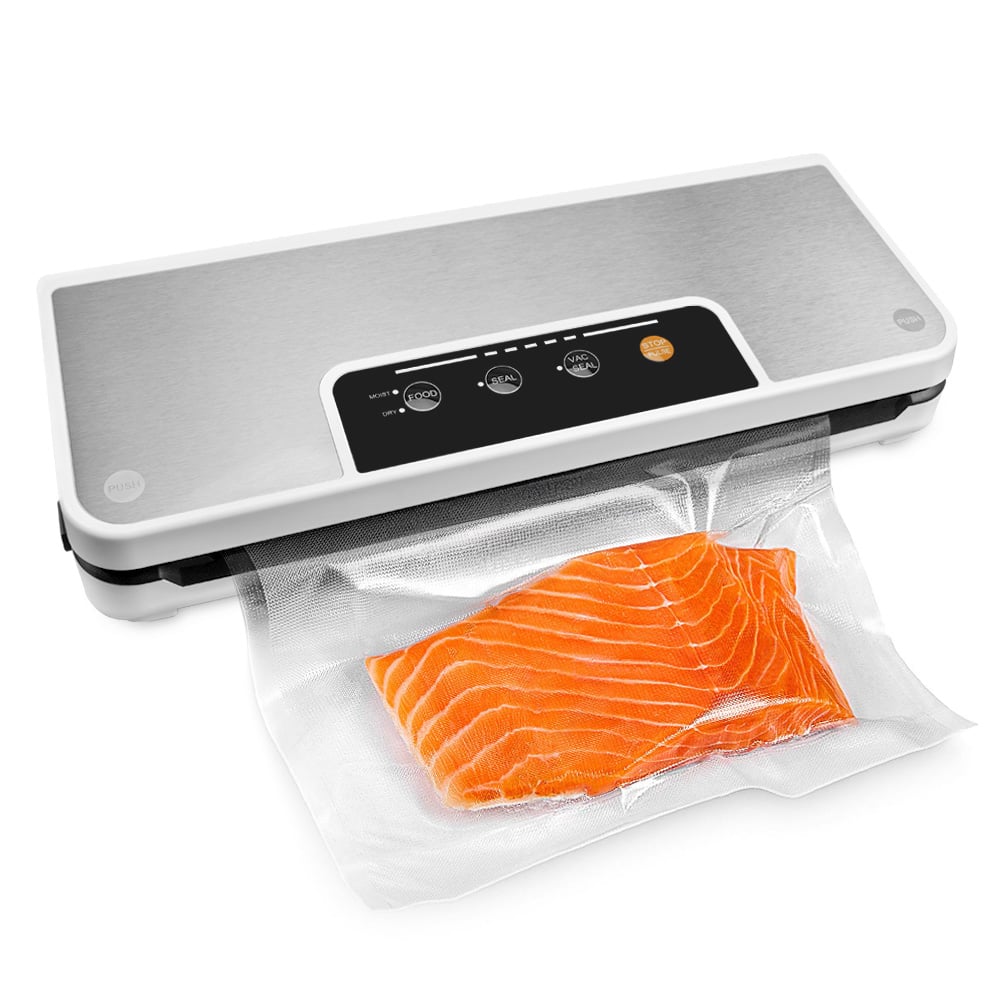
One of the most significant advantages of a compact vacuum sealer is its ability to maximize storage space. Vacuum-sealed packages take up considerably less room than traditional storage containers or bags, allowing you to organize your refrigerator, freezer, and pantry more efficiently. The flat, stackable nature of vacuum-sealed bags enables better organization and easier access to stored items.
Implementing a vacuum sealing system transforms how you approach food storage. You can buy in bulk during sales, portion items effectively, and create an organized system that reduces food waste. The compact nature of both the sealer itself and the resulting packages makes this solution particularly valuable for households with limited storage space.
Investing in a compact vacuum sealer typically pays for itself within months through reduced food waste and smart bulk purchasing. When food stays fresh longer, less ends up in the trash, directly impacting your grocery budget. The ability to buy in bulk and properly store portions leads to significant long-term savings, especially for commonly used ingredients and seasonal produce.
The environmental impact of food waste is substantial, and vacuum sealing offers a practical solution. By extending food life and reducing spoilage, you're not just saving money but also contributing to sustainability efforts. The reusable nature of vacuum sealer bags further reduces plastic waste compared to disposable storage solutions.
A compact vacuum sealer becomes an invaluable tool for meal prep enthusiasts. Prepare ingredients or complete meals in advance, seal them properly, and enjoy fresh-tasting food throughout the week. This approach saves time, reduces daily cooking stress, and ensures consistent portion control for those monitoring their diet.
While primarily designed for food storage, compact vacuum sealers offer versatility beyond the kitchen. They're excellent for protecting important documents from moisture, organizing seasonal clothing, and even preparing emergency kits. The ability to create airtight seals proves useful for protecting various household items from environmental factors.
Vacuum-sealed foods can last significantly longer than traditionally stored items. In the refrigerator, vegetables can last 2-3 weeks, while meats can stay fresh for up to 6 weeks. In the freezer, properly sealed items can maintain quality for 2-3 years, compared to 6-12 months with conventional storage methods.
Most modern compact vacuum sealers are equipped with moisture detection and special settings for wet foods. However, it's recommended to partially freeze very liquid items before sealing or use the pulse function to prevent liquid from being drawn into the machine.
Many vacuum sealer bags are designed for multiple uses. They can be washed, dried thoroughly, and resealed several times before needing replacement. However, bags used for raw meat or fish should be discarded after one use for food safety reasons.
 EN
EN