Proper maintenance of your compact vacuum sealer is essential for ensuring optimal performance and extending its operational lifespan. These versatile appliances have become indispensable in both commercial kitchens and home food preservation systems, making regular upkeep a critical investment. Understanding the fundamental maintenance requirements will help you avoid costly repairs while maximizing the efficiency of your food sealing operations. A well-maintained compact vacuum sealer not only performs better but also provides consistent sealing results that protect your food investments from spoilage and freezer burn.
The heart of any compact vacuum sealer lies in its internal vacuum system, which consists of several critical components requiring regular attention. The vacuum pump generates the suction power necessary for removing air from packaging materials, while the motor drives the entire sealing process. These components work in tandem with air filters that prevent debris from entering the system and potentially causing damage. Regular inspection of these internal elements helps identify potential issues before they become major problems requiring expensive repairs or complete unit replacement.
Temperature regulation systems within your compact vacuum sealer ensure that sealing bars maintain optimal heat levels for different packaging materials. The heating element must be kept clean and free from residue buildup that can affect temperature consistency. Additionally, cooling systems help prevent overheating during extended use periods, making proper ventilation around your unit essential for long-term reliability. Understanding how these components function together enables more effective maintenance scheduling and troubleshooting procedures.
The external housing of your compact vacuum sealer protects internal components while providing access points for routine maintenance procedures. Regular cleaning of the exterior surfaces prevents the accumulation of food particles and moisture that can lead to corrosion or electrical issues. Control panels and user interfaces require gentle cleaning with appropriate materials to maintain functionality without damaging sensitive electronic components. Proper care of these external elements contributes significantly to the overall longevity and professional appearance of your equipment.
Sealing chambers and drip trays represent high-contact areas that demand frequent cleaning and inspection protocols. These components come into direct contact with food products and packaging materials, making them prone to contamination if not properly maintained. Removable components should be cleaned after each use session, while fixed elements require regular deep cleaning procedures. Establishing consistent cleaning routines for these external components prevents bacterial growth and maintains hygienic food handling standards in your operation.
Implementing comprehensive post-use cleaning protocols extends the operational life of your compact vacuum sealer while maintaining food safety standards. After each sealing session, allow the unit to cool completely before beginning any cleaning procedures to prevent burns and equipment damage. Remove any removable components such as drip trays and cutting accessories, then clean them thoroughly with warm soapy water before air drying completely. This immediate attention prevents food residue from hardening and becoming difficult to remove during future cleaning sessions.
The sealing area requires special attention since food particles and liquids frequently accumulate in this high-use zone. Use a damp cloth to wipe down all surfaces within the sealing chamber, paying particular attention to corners and crevices where debris tends to collect. Avoid using harsh chemicals or abrasive materials that might damage delicate components or leave residues that could contaminate future food packaging operations. A compact vacuum sealer with proper daily maintenance will consistently deliver professional sealing results while avoiding premature wear on critical components.
Air filters within your compact vacuum sealer system require regular inspection and replacement to maintain optimal suction performance and prevent contamination issues. Most units feature accessible filters that can be removed and cleaned or replaced according to manufacturer specifications. Clogged or dirty filters reduce vacuum efficiency and force the motor to work harder, potentially leading to premature failure and increased energy consumption. Establishing a regular filter maintenance schedule based on usage frequency ensures consistent performance and extends equipment lifespan.
Air pathways throughout the vacuum system must remain clear of obstructions to maintain proper airflow and suction capabilities. Inspect all visible air channels for debris accumulation and remove any foreign materials that might restrict air movement. Use compressed air or soft brushes to clear dust and particles from hard-to-reach areas, taking care not to damage sensitive components during the cleaning process. Regular air path maintenance prevents performance degradation and helps identify potential issues before they require major repairs or component replacement.
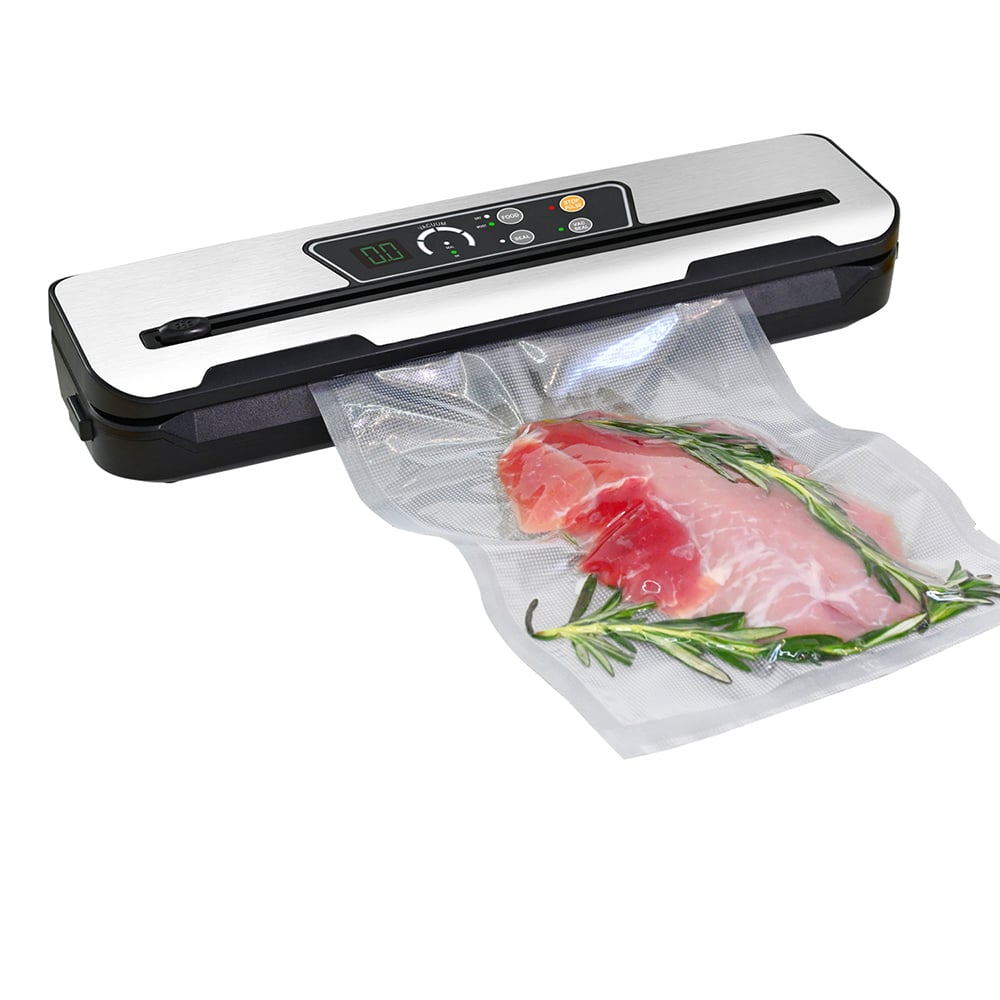
Weekly deep cleaning sessions provide opportunities for thorough component inspection that goes beyond daily maintenance routines. During these sessions, examine all accessible parts for signs of wear, damage, or excessive buildup that daily cleaning might miss. Pay special attention to sealing bars and heating elements, looking for scratches, corrosion, or residue accumulation that could affect sealing quality. Document any observations in a maintenance log to track component condition over time and identify patterns that might indicate developing problems.
Electrical connections and power cords require regular inspection to ensure safe operation and prevent potential hazards. Check for frayed wires, loose connections, or signs of overheating that could indicate electrical problems requiring professional attention. Ensure that all safety features such as lid locks and emergency stops function properly during these inspection periods. A systematic approach to weekly inspection helps maintain safe operating conditions while maximizing the reliability of your compact vacuum sealer equipment.
Moving parts within your compact vacuum sealer benefit from regular lubrication according to manufacturer specifications and recommended maintenance schedules. Identify all lubrication points such as hinges, sliding mechanisms, and motor bearings that require periodic attention to prevent excessive wear and ensure smooth operation. Use only recommended lubricants and application methods to avoid contamination or damage to sensitive components. Proper lubrication reduces friction, minimizes wear, and extends the operational life of mechanical components throughout your sealing system.
Calibration checks during weekly maintenance sessions help ensure that your compact vacuum sealer maintains accurate vacuum levels and sealing temperatures for consistent results. Use appropriate testing equipment to verify vacuum pressure readings and temperature measurements against manufacturer specifications. Make necessary adjustments according to service manual procedures or contact qualified service technicians for calibration services beyond user capabilities. Regular calibration maintenance ensures that your equipment continues delivering reliable performance while maintaining food safety standards and packaging quality.
Monthly maintenance periods provide opportunities for comprehensive system analysis that identifies potential issues before they impact operations or require emergency repairs. During these sessions, conduct thorough performance testing to evaluate vacuum levels, sealing consistency, and overall operational efficiency compared to baseline measurements. Document performance metrics in maintenance records to establish trends and identify gradual degradation that might indicate component wear or system problems requiring attention.
Internal component inspection during monthly maintenance allows access to areas not typically examined during daily or weekly procedures. Remove access panels according to service manual instructions and examine internal wiring, connections, and components for signs of wear, corrosion, or damage. Clean internal areas using appropriate methods and materials while taking care not to disturb calibrated settings or damage sensitive electronic components. This deeper level of inspection helps identify problems early while maintaining optimal performance standards for your compact vacuum sealer system.
Evaluate the condition of consumable parts and wear items that require periodic replacement to maintain optimal performance levels. Sealing bars, gaskets, and filter elements have finite service lives that depend on usage patterns and operating conditions. Assess these components during monthly maintenance sessions and replace items showing significant wear before they fail and potentially damage other system components. Maintaining an inventory of common replacement parts ensures minimal downtime when scheduled replacements become necessary.
Performance benchmarking during monthly maintenance helps establish replacement schedules based on actual operating conditions rather than generic time intervals. Monitor sealing quality, vacuum performance, and energy consumption patterns to determine optimal replacement timing for various components. This data-driven approach to preventive maintenance maximizes component utilization while preventing unexpected failures that could disrupt operations or require costly emergency repairs. Regular assessment and replacement of wear items maintains consistent performance and extends overall equipment lifespan.
Reduced vacuum performance represents one of the most common issues affecting compact vacuum sealer operations, typically resulting from clogged filters, damaged seals, or worn components. When vacuum levels decrease below normal operating ranges, begin troubleshooting by inspecting and cleaning or replacing air filters that may be restricting airflow. Check all gaskets and seals for damage, wear, or improper seating that could allow air leaks to reduce vacuum efficiency. Systematic diagnosis of vacuum problems helps identify root causes and determine appropriate corrective actions.
Air leaks within the vacuum system can dramatically reduce sealing performance and increase operating costs through extended cycle times and poor seal quality. Use soap solutions or specialized leak detection equipment to identify air leaks around joints, connections, and sealing surfaces throughout the system. Address minor leaks through gasket replacement or connection tightening, while major leaks may require professional repair services or component replacement. Prompt attention to vacuum performance issues prevents further damage and maintains efficient operation of your compact vacuum sealer equipment.
Inconsistent sealing results often indicate problems with temperature control, sealing bar condition, or timing mechanisms that require systematic diagnosis and correction. Temperature irregularities can result from damaged heating elements, faulty sensors, or calibration drift that affects seal strength and consistency. Monitor sealing temperatures using appropriate measurement tools and compare readings to manufacturer specifications to identify temperature-related problems requiring attention.
Sealing bar contamination or damage represents another common cause of quality inconsistencies that affects both seal appearance and integrity. Examine sealing bars for residue buildup, scratches, or warping that could prevent proper heat transfer and pressure application during the sealing process. Clean sealing surfaces using recommended methods and materials, replacing bars showing significant wear or damage. Proper sealing bar maintenance ensures consistent results while preventing packaging failures that could compromise food safety and product quality.
Environmental conditions significantly impact the performance and longevity of your compact vacuum sealer, making proper operating environment control essential for optimal results. Temperature fluctuations can affect sealing consistency and component reliability, while excessive humidity may cause corrosion or electrical problems over time. Maintain stable environmental conditions within manufacturer-recommended ranges to ensure consistent performance and prevent premature equipment failure due to environmental stress factors.
Dust and airborne contaminants pose significant threats to compact vacuum sealer operations, particularly in industrial environments where particulate levels may be elevated. Implement appropriate air filtration and cleaning protocols to minimize contamination exposure while ensuring adequate ventilation for proper equipment cooling. Regular environmental monitoring helps identify conditions that may require additional protective measures or modified maintenance schedules to address specific operational challenges in your facility.
Proper storage procedures become critical when compact vacuum sealer equipment will be unused for extended periods, requiring specific preparation steps to prevent damage and ensure reliable restart capabilities. Clean all components thoroughly before storage, removing any food residues or moisture that could promote bacterial growth or corrosion during inactive periods. Apply appropriate protective measures such as desiccants or corrosion inhibitors according to manufacturer recommendations for extended storage situations.
Climate-controlled storage environments help preserve equipment condition during extended inactive periods while preventing damage from temperature extremes or humidity fluctuations. Protect electrical components from moisture exposure and ensure adequate support for mechanical parts to prevent warping or stress damage during storage. Develop comprehensive restart procedures for equipment returning to service after extended storage periods, including thorough inspection, testing, and calibration verification before resuming normal operations.
Filter replacement frequency depends on usage patterns and operating conditions, but most compact vacuum sealer filters require replacement every 3-6 months under normal use. High-volume operations may require more frequent replacement, while light-duty applications might extend replacement intervals. Monitor filter condition regularly and replace when airflow restriction becomes noticeable or vacuum performance begins to decline. Maintaining clean filters ensures optimal performance and prevents motor strain that could lead to premature equipment failure.
Use mild dish soap and warm water for routine cleaning of removable components, avoiding harsh chemicals or abrasive materials that could damage surfaces or leave harmful residues. Food-grade sanitizers may be used occasionally for deep cleaning, but ensure thorough rinsing and complete drying before returning components to service. Never use bleach, ammonia-based cleaners, or petroleum-based solvents that could damage plastic components or create safety hazards. Always consult your equipment manual for specific cleaning product recommendations and restrictions.
Weak or inconsistent seals typically result from improper temperature settings, contaminated sealing bars, or worn heating elements requiring attention. Check sealing bar cleanliness and remove any residue buildup that could interfere with proper heat transfer and pressure application. Verify temperature settings match packaging material requirements and consider calibration if readings appear inaccurate. Worn sealing bars or heating elements may require professional replacement to restore proper sealing performance and prevent packaging failures.
Consistent preventive maintenance represents the most effective method for extending equipment lifespan, including daily cleaning, regular filter replacement, and systematic component inspection. Avoid overloading the unit beyond rated capacity and allow adequate cooling time between intensive sealing sessions. Maintain proper operating environment conditions and address minor issues promptly before they develop into major problems requiring expensive repairs. Following manufacturer maintenance schedules and using genuine replacement parts ensures optimal performance and maximum equipment longevity.
 EN
EN