Food preservation has become a critical concern for modern households seeking to reduce waste and maintain nutritional value. A portable vacuum sealer offers an innovative solution that extends food shelf life significantly while preserving taste, texture, and nutritional content. This versatile kitchen appliance removes air from specially designed bags, creating an oxygen-free environment that prevents bacterial growth and oxidation. By understanding how vacuum sealing technology works, consumers can make informed decisions about incorporating this valuable tool into their food storage routines.
Vacuum sealing technology operates on the fundamental principle of removing oxygen from food packaging to create an anaerobic environment. When a portable vacuum sealer extracts air from sealed bags, it eliminates the primary catalyst for food spoilage: oxygen. This process significantly slows down the oxidation reactions that cause foods to deteriorate, change color, and lose nutritional value. The absence of oxygen also inhibits the growth of aerobic bacteria, which are responsible for most food-borne illnesses and decomposition.
The vacuum sealing process creates negative pressure within the packaging, causing the bag material to compress tightly around the food items. This compression not only removes air pockets but also prevents moisture migration and cross-contamination. Modern portable vacuum sealers utilize powerful motors and precision sealing mechanisms to achieve vacuum levels that effectively preserve food quality for extended periods.
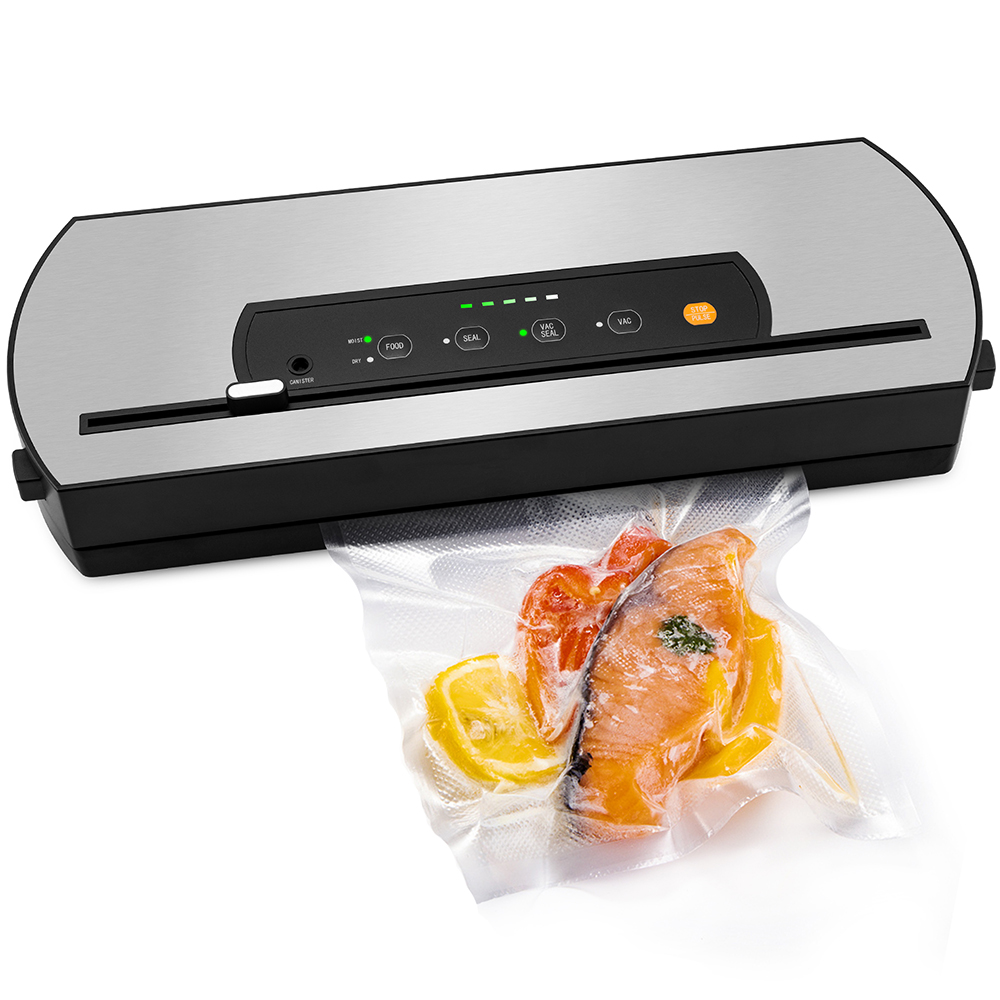
Contemporary portable vacuum sealer units come in various configurations to meet different household needs. Chamber vacuum sealers offer professional-grade performance but typically require more counter space and higher investment. External vacuum sealers, which are more common for home use, work by inserting the open end of a bag into the machine while the sealing process occurs outside the main unit.
Handheld vacuum sealers provide maximum portability and convenience for small-scale applications. These compact devices can seal individual portions and work with specialized containers and bags. Some advanced models feature multiple sealing modes, including dry and moist settings, pulse functions, and accessory hoses for sealing containers and bottles. The versatility of these systems makes them suitable for various food types and storage requirements.
One of the most significant advantages of using a portable vacuum sealer is its ability to maintain the nutritional integrity of foods over extended periods. Traditional storage methods expose foods to oxygen, light, and temperature fluctuations that degrade vitamins, minerals, and antioxidants. Vacuum sealing creates a protective barrier that prevents these essential nutrients from breaking down, ensuring that sealed foods retain their nutritional value months after initial packaging.
Research has demonstrated that vacuum-sealed vegetables maintain higher levels of vitamin C, vitamin A, and folate compared to conventionally stored produce. Proteins sealed using vacuum technology retain their amino acid profiles and essential fatty acids longer than those stored in standard packaging. This nutritional preservation is particularly beneficial for meal prep enthusiasts and families seeking to maintain healthy eating habits while managing busy schedules.
Flavor preservation represents another compelling benefit of vacuum sealing technology. When foods are exposed to air during storage, volatile compounds responsible for taste and aroma gradually escape or transform, resulting in bland, stale flavors. A portable vacuum sealer locks in these flavor compounds, ensuring that foods taste fresh and vibrant even after extended storage periods.
Texture preservation is equally important for food quality. Vacuum sealing prevents moisture loss and ice crystal formation that can make foods tough, dry, or mushy. Meats remain tender and juicy, vegetables maintain their crispness, and baked goods retain their original texture. This preservation quality makes vacuum sealing ideal for batch cooking, meal preparation, and storing seasonal produce at peak freshness.
Modern households increasingly rely on meal preparation strategies to maintain healthy eating habits while managing time constraints. A portable vacuum sealer transforms meal prep efficiency by allowing users to prepare large quantities of food and portion them into individual servings. Pre-cooked meals can be vacuum sealed and stored in refrigerators or freezers, maintaining restaurant-quality freshness for weeks or months.
Batch cooking becomes more economical when combined with vacuum sealing technology. Large cuts of meat can be purchased in bulk, portioned, and sealed for future use. Seasonal vegetables can be blanched, vacuum sealed, and frozen at peak ripeness, providing access to fresh produce year-round. This approach reduces grocery shopping frequency while ensuring consistent meal quality and nutritional value.
Certain foods benefit significantly from vacuum sealing storage methods. Coffee beans and ground coffee maintain their flavor profiles much longer when vacuum sealed, preventing the oils from becoming rancid due to oxygen exposure. Nuts, seeds, and dried fruits retain their nutritional value and prevent staleness when properly vacuum sealed.
Delicate items like herbs, spices, and specialty ingredients require careful storage to maintain potency and flavor. A portable vacuum sealer provides the precise control needed to package these items without crushing or damaging their structure. Marinades can be vacuum sealed with meats to accelerate flavor penetration while reducing marinating time from hours to minutes.
Investing in a portable vacuum sealer delivers substantial long-term financial benefits through reduced food waste and bulk purchasing opportunities. Studies indicate that average households discard approximately 30% of purchased food due to spoilage, representing hundreds of dollars in wasted groceries annually. Vacuum sealing extends food storage life by three to five times compared to conventional methods, dramatically reducing waste and associated costs.
Bulk purchasing becomes more viable when foods can be portioned and vacuum sealed for extended storage. Wholesale prices on meats, produce, and pantry staples offer significant savings when items can be properly preserved. The initial investment in vacuum sealing equipment typically pays for itself within months through reduced grocery expenses and eliminated food waste.
Food waste represents a significant environmental concern, contributing to greenhouse gas emissions and resource depletion. By extending food storage life, portable vacuum sealer technology helps reduce the environmental footprint associated with food production, transportation, and disposal. Families using vacuum sealing systems report substantial reductions in food waste, contributing to more sustainable household practices.
The energy efficiency of modern vacuum sealers also supports environmental conservation efforts. These devices consume minimal electricity during operation while delivering substantial preservation benefits. When compared to the energy required to produce, transport, and dispose of wasted food, the environmental impact of vacuum sealing technology proves overwhelmingly positive.
Selecting an appropriate portable vacuum sealer requires careful consideration of specific features and capabilities. Motor power determines suction strength and sealing effectiveness, with higher wattage units typically providing better performance for dense or challenging foods. Multiple sealing modes accommodate different food types, with dry settings for solid foods and moist settings for items with higher liquid content.
Built-in cutting mechanisms add convenience by eliminating the need for separate scissors or cutting tools. Pulse functions provide precise control over vacuum levels, preventing delicate foods from being crushed during the sealing process. Accessory hoses expand functionality by enabling users to vacuum seal containers, bottles, and specialty storage systems.
Quality construction materials ensure long-term reliability and consistent performance from portable vacuum sealer units. Stainless steel sealing elements resist corrosion and provide superior heat distribution for reliable bag sealing. Easy-to-clean designs with removable components simplify maintenance and ensure hygienic operation.
Regular maintenance requirements should align with intended usage frequency and household needs. Simple cleaning procedures and readily available replacement parts contribute to cost-effective ownership over time. Warranty coverage and customer support availability provide additional assurance for significant kitchen appliance investments.
Successful vacuum sealing requires proper food preparation to ensure optimal results and safety. Foods should be clean, dry, and at appropriate temperatures before sealing. Hot foods must be cooled completely to prevent bag melting and ensure proper seal formation. Liquids and moist foods may require pre-freezing or special handling techniques to achieve effective vacuum sealing.
Sharp edges on foods like bones or hard vegetables can puncture vacuum bags during the sealing process. Wrapping these items in parchment paper or using specialized protective techniques prevents bag damage. Proper portioning ensures efficient storage while maintaining easy access to individual servings without compromising remaining portions.
Vacuum sealed foods require appropriate storage conditions to maximize preservation benefits. Refrigerated items should maintain consistent cold temperatures, while frozen foods benefit from stable freezer conditions. Labeling sealed packages with contents and dates ensures proper rotation and prevents extended storage beyond recommended timeframes.
Food safety remains paramount when using portable vacuum sealer technology. Proper handling procedures, temperature control, and storage guidelines must be followed to prevent bacterial growth and foodborne illness. Understanding the limitations of vacuum sealing helps users make informed decisions about which foods are suitable for this preservation method.
Vacuum sealed foods typically maintain freshness three to five times longer than conventionally stored items. Refrigerated vacuum sealed meats can stay fresh for two to three weeks, while frozen vacuum sealed foods can maintain quality for two to three years. Dry goods like nuts and coffee can remain fresh for up to a year when properly vacuum sealed and stored in cool, dark conditions.
While most foods benefit from vacuum sealing, certain items require special consideration. Soft fruits and vegetables may be crushed by the vacuum process and should be pre-frozen or sealed using pulse functions. Fresh mushrooms, garlic, and soft cheeses can produce gases that compromise vacuum seals. Raw onions and cabbage family vegetables may develop strong odors when vacuum sealed.
Regular maintenance for a portable vacuum sealer includes cleaning the sealing area after each use, checking for food debris in the vacuum chamber, and replacing worn sealing strips when necessary. Most units feature removable drip trays and components that can be washed with warm soapy water. Periodic inspection of the vacuum pump and motor ensures optimal performance and longevity.
Vacuum sealing bags can be reused if they remain intact and are properly cleaned between uses. Bags used for raw meats or pungent foods should not be reused to prevent cross-contamination. Bags can be washed with warm soapy water, thoroughly dried, and inspected for holes or damage before reuse. Specialized reusable containers and canisters designed for vacuum sealing systems offer more sustainable long-term storage options.
 EN
EN