The food delivery industry has experienced unprecedented growth in recent years, with businesses constantly seeking innovative solutions to maintain food quality and extend shelf life during transportation. One technology that has revolutionized food preservation in commercial kitchens and delivery operations is the vacuum sealer. This sophisticated equipment removes air from packaging to create an oxygen-free environment that significantly enhances food preservation, reduces waste, and improves operational efficiency for food delivery services.
A vacuum sealer creates an anaerobic environment by removing up to 99.9% of oxygen from food packaging, dramatically slowing down the oxidation process that causes food spoilage. This oxygen-free environment prevents aerobic bacteria growth, which is responsible for food deterioration and unpleasant odors. Food delivery services benefit from this extended shelf life as meals can be prepared hours in advance without compromising quality or safety standards.
The vacuum sealing process also helps maintain the original texture, color, and nutritional value of ingredients. Fresh vegetables retain their crispness, meats preserve their natural juices, and prepared meals maintain their intended flavors throughout the delivery process. This quality preservation is particularly crucial for premium food delivery services that compete on taste and presentation.
Vacuum-sealed packaging provides superior insulation properties compared to traditional containers, helping maintain optimal food temperatures during delivery. The tight seal created by a vacuum sealer reduces heat transfer, keeping hot foods warmer for longer periods while maintaining the freshness of cold items. This thermal retention capability ensures customers receive meals at the intended serving temperature, enhancing their dining experience.
Additionally, the reduced air exposure minimizes temperature fluctuations that can occur during transport, providing consistent thermal protection regardless of external weather conditions or delivery duration. This reliability is essential for maintaining food safety standards and customer satisfaction in competitive delivery markets.
Implementing a vacuum sealer in food delivery operations significantly reduces packaging volume, allowing for more efficient storage and transportation. Vacuum-sealed items occupy up to 75% less space than traditionally packaged foods, enabling delivery services to maximize vehicle capacity and reduce the number of delivery trips required. This space optimization translates directly into reduced fuel costs and increased delivery efficiency.
The compact nature of vacuum-sealed packages also simplifies inventory management in commercial kitchens. Restaurants can prepare larger quantities of food in advance, store them efficiently in refrigerated spaces, and maintain better organization of their ingredient inventory. This preparation flexibility allows businesses to handle peak demand periods more effectively while maintaining consistent service quality.
Food waste represents a significant expense for delivery services, often accounting for 10-15% of total food costs. A vacuum sealer dramatically reduces this waste by extending the usable life of perishable ingredients and prepared meals. The oxygen-free environment prevents premature spoilage, allowing businesses to maintain larger inventories without fear of significant losses due to deterioration.
The durability of vacuum-sealed packaging also reduces the need for multiple layers of protective containers, lowering overall packaging material costs. Single-use vacuum bags provide superior protection compared to multiple containers, reducing both material expenses and environmental waste associated with excessive packaging.
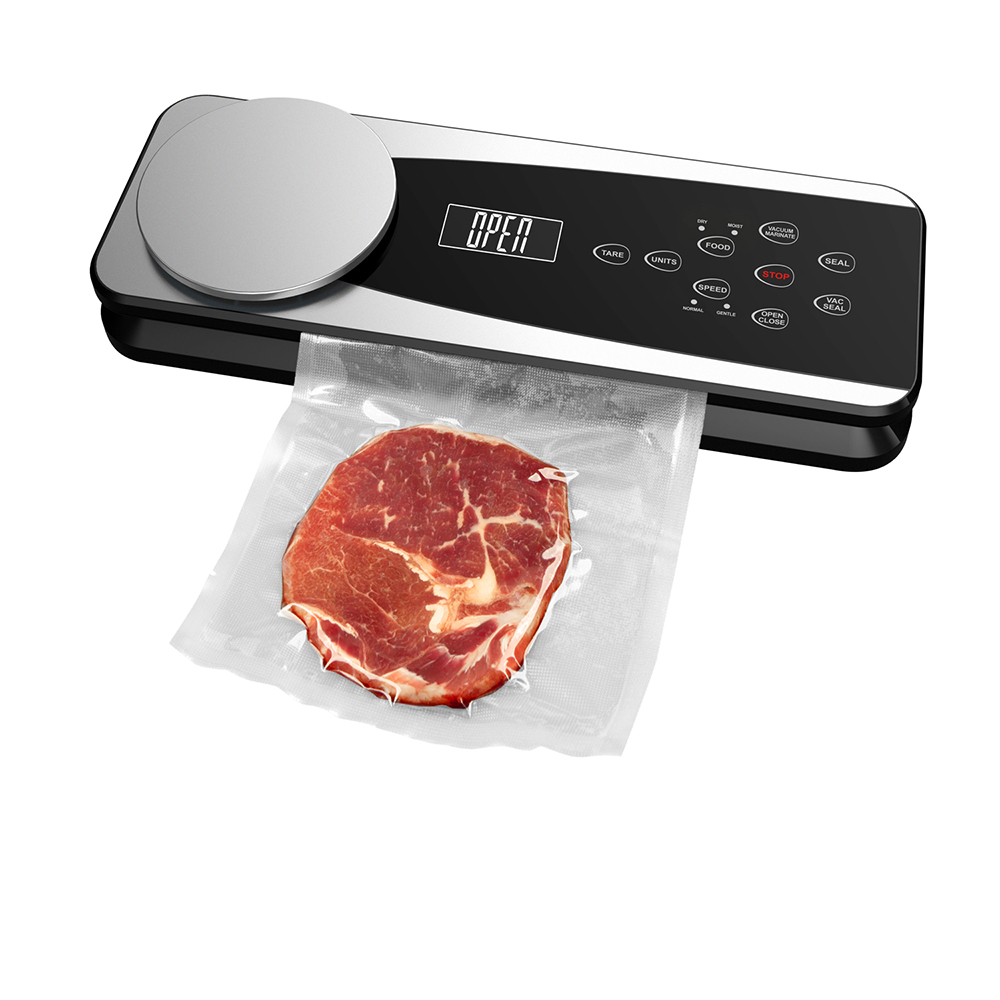
Vacuum sealing creates an impermeable barrier that protects food from external contamination during preparation, storage, and delivery. This protective seal prevents cross-contamination between different food items and shields meals from airborne bacteria, dust, and other environmental contaminants that could compromise food safety. For food delivery services operating in urban environments with high pollution levels, this protection is particularly valuable.
The sealed environment also prevents moisture absorption, which can lead to bacterial growth and food spoilage. By maintaining optimal moisture levels within the package, a vacuum sealer helps ensure that food remains safe for consumption throughout the entire delivery process, from kitchen to customer.
Food delivery services must adhere to strict health department regulations regarding food storage, handling, and transportation. Vacuum sealing helps businesses meet these regulatory requirements by providing traceable packaging dates, maintaining consistent temperatures, and preventing contamination. The sealed packaging also makes it easier to implement proper labeling systems that include preparation dates, ingredient lists, and handling instructions.
Documentation and quality control become more manageable with vacuum-sealed packaging, as businesses can easily track batch numbers, preparation times, and storage conditions. This traceability is essential for maintaining compliance with food safety regulations and provides valuable data for quality improvement initiatives.
The sleek, professional appearance of vacuum-sealed packaging enhances the perceived value of delivered meals, contributing to positive customer impressions and brand reputation. The tight, wrinkle-free packaging creates a premium appearance that suggests careful attention to quality and freshness. This professional presentation is particularly important for upscale food delivery services competing in saturated markets.
Vacuum-sealed packaging also prevents leakage and spillage during transport, ensuring that meals arrive in pristine condition. This reliability reduces customer complaints and returns while building trust in the delivery service's ability to maintain food quality throughout the delivery process.
The preservation capabilities of vacuum sealing technology enable food delivery services to expand their operational range without compromising food quality. Meals can maintain their freshness and safety during longer delivery times, allowing businesses to serve customers in previously unreachable areas. This expansion capability opens new market opportunities and revenue streams for growing delivery operations.
The extended shelf life provided by vacuum sealing also enables services to offer pre-order options, allowing customers to schedule deliveries in advance while ensuring food quality remains optimal. This flexibility enhances customer convenience and helps businesses manage delivery schedules more efficiently during peak demand periods.
Selecting the appropriate vacuum sealer for food delivery operations requires careful consideration of volume capacity, sealing speed, and durability requirements. Commercial-grade equipment offers higher throughput capabilities, stronger sealing mechanisms, and more robust construction designed to withstand continuous operation in busy commercial kitchens. These machines typically feature programmable settings that ensure consistent sealing quality across different food types and packaging requirements.
Advanced vacuum sealer models include features such as pulse vacuum control, which prevents crushing delicate foods, and adjustable sealing temperatures for different bag materials. These capabilities ensure optimal packaging results while maintaining the integrity of various food products, from delicate pastries to liquid-based meals.
Successful implementation of vacuum sealing technology requires seamless integration with existing kitchen workflows and staff training programs. The equipment should complement current food preparation processes without creating bottlenecks or requiring significant operational changes. Proper staff training ensures consistent packaging quality and maximizes the efficiency benefits of vacuum sealing technology.
Maintenance requirements and operational costs should also be considered when implementing vacuum sealing systems. Regular maintenance schedules, replacement part availability, and energy consumption factors all impact the long-term viability and cost-effectiveness of the investment in vacuum sealing technology.
Vacuum sealing technology contributes significantly to environmental sustainability by reducing food waste and packaging materials. The extended shelf life provided by vacuum sealing means fewer ingredients are discarded due to spoilage, reducing the environmental impact associated with food production, transportation, and disposal. This waste reduction aligns with growing consumer expectations for environmentally responsible business practices.
The efficiency of vacuum-sealed packaging also reduces the carbon footprint of delivery operations by enabling more products to be transported per trip. This optimization reduces fuel consumption and vehicle emissions while maintaining service quality, contributing to more sustainable delivery operations.
Many modern vacuum sealing bags are manufactured from recyclable materials, supporting circular economy principles while maintaining food preservation benefits. These eco-friendly packaging options allow food delivery services to reduce their environmental impact without compromising on food quality or safety standards. The availability of biodegradable vacuum bags further enhances the sustainability profile of vacuum sealing operations.
The reduced packaging volume also means less material consumption overall, as vacuum sealing eliminates the need for multiple protective layers or bulky containers. This material efficiency reduces both costs and environmental impact while providing superior food protection during delivery.
Vacuum sealing actually helps preserve nutritional value by preventing oxidation and nutrient degradation that occurs when food is exposed to air. The oxygen-free environment maintains vitamins, minerals, and other nutrients at their original levels, ensuring customers receive the full nutritional benefits of their delivered meals. This preservation is particularly important for fresh vegetables and fruits that lose nutrients rapidly when exposed to air.
Most solid and semi-solid foods benefit from vacuum sealing, including cooked meats, vegetables, pasta dishes, sandwiches, and baked goods. However, foods with sharp edges, very high liquid content, or delicate structures may require special handling or modified sealing techniques. Soups and liquid-based dishes can be vacuum sealed using specialized techniques or container systems designed for liquid products.
Vacuum-sealed food can maintain freshness for significantly longer periods than traditionally packaged items, typically extending shelf life by 3-5 times compared to standard packaging methods. For delivery purposes, vacuum-sealed meals can remain fresh and safe for 24-48 hours when properly refrigerated, making them ideal for advance preparation and extended delivery windows while maintaining optimal quality and safety standards.
Commercial vacuum sealing equipment typically ranges from $500 to $5,000 depending on capacity and features required. Additional costs include vacuum bags, which typically cost $0.10-$0.30 per package, and staff training. Most food delivery services recover their initial investment within 6-12 months through reduced food waste, improved efficiency, and expanded service capabilities that increase revenue potential.
 EN
EN