The culinary landscape has witnessed a remarkable evolution in recent years, with home cooks increasingly seeking professional-grade techniques to elevate their dining experiences. Among the most transformative tools entering modern kitchens is the smoke infuser, a device that brings the rich, complex flavors traditionally associated with outdoor grilling and professional smoking directly to your countertop. This innovative kitchen equipment opens up a world of possibilities for creating restaurant-quality dishes without leaving your home.
The growing popularity of smoke infusers reflects a broader trend toward artisanal cooking methods and flavor enhancement techniques that were once exclusive to high-end restaurants. These compact devices utilize cold smoking technology to infuse foods with aromatic smoke without applying heat, preserving the integrity of delicate ingredients while adding layers of complexity that transform ordinary dishes into extraordinary culinary experiences. Understanding how to harness the power of a smoke infuser can revolutionize your approach to home cooking and impress guests with sophisticated flavors.
A smoke infuser operates on the principle of cold smoking, a technique that generates aromatic smoke without the high temperatures associated with traditional smoking methods. The device burns wood chips or other combustible materials in a controlled chamber, creating flavorful smoke that can be directed into food containers, glasses, or directly onto dishes. This process allows the smoke to penetrate and enhance foods without cooking them, making it perfect for delicate ingredients like seafood, cheese, and cocktails.
The temperature control aspect of smoke infusion is crucial for maintaining food safety and quality. Unlike hot smoking, which can reach temperatures of 225-250°F, cold smoking with a smoke infuser typically operates at ambient temperatures, ensuring that proteins remain safe for consumption while absorbing the desired smoky characteristics. This gentle approach preserves the natural textures and flavors of ingredients while adding the sophisticated depth that smoke provides.
The choice of wood chips significantly impacts the final flavor profile achieved with your smoke infuser. Different wood varieties impart distinct characteristics, from the mild sweetness of applewood to the robust intensity of hickory. Cherry wood provides a subtle fruity note perfect for poultry and pork, while oak delivers a classic smoky flavor that complements beef and hearty vegetables. Understanding these flavor profiles allows home cooks to match wood types with specific dishes for optimal results.
Beyond traditional hardwoods, adventurous cooks can experiment with alternative smoking materials such as tea leaves, herbs, and spices. Green tea creates delicate, earthy notes ideal for seafood, while rosemary and thyme add Mediterranean flair to vegetables and cheese. The versatility of a smoke infuser encourages culinary creativity and enables home cooks to develop signature flavor combinations that reflect their personal style and preferences.
One of the most dramatic applications of a smoke infuser involves transforming simple proteins into restaurant-worthy centerpieces. Fresh fish fillets can be enhanced with a light application of alder smoke, creating the impression of cedar plank preparation without requiring outdoor grilling equipment. Chicken breasts benefit from applewood smoke infusion, which adds complexity without overwhelming the meat's natural flavors. The key lies in timing and technique, applying smoke for just the right duration to achieve perfect flavor penetration.
Red meats respond exceptionally well to smoke infusion techniques, particularly when combined with complementary seasonings and marinades. A quality smoke infuser can transform a simple steak into a sophisticated dish reminiscent of high-end steakhouses. The process involves creating a smoke-filled environment around the meat, allowing the aromatic compounds to penetrate the surface and create a flavor crust that enhances every bite. This technique works equally well for lamb, pork, and game meats, opening up endless possibilities for creative menu planning.
Smoke infusion technology offers particular value for vegetarian and vegan cooking, where adding depth and complexity can be challenging without traditional animal-based flavor enhancers. Vegetables like eggplant, mushrooms, and tomatoes respond beautifully to smoke treatment, developing rich, umami-forward profiles that satisfy even the most dedicated carnivores. Root vegetables gain earthy complexity from hickory or oak smoke, while delicate vegetables like asparagus benefit from lighter woods like cherry or apple.
Plant-based proteins such as tofu, tempeh, and seitan can be dramatically improved through smoke infusion techniques. The porous nature of these ingredients makes them excellent candidates for absorbing smoky flavors, creating satisfying alternatives to traditional smoked meats. Smoked tofu can be incorporated into salads, sandwiches, and grain bowls, providing protein and flavor complexity that elevates these dishes from simple to sophisticated. The smoke infuser becomes an essential tool for anyone looking to create compelling plant-based meals.
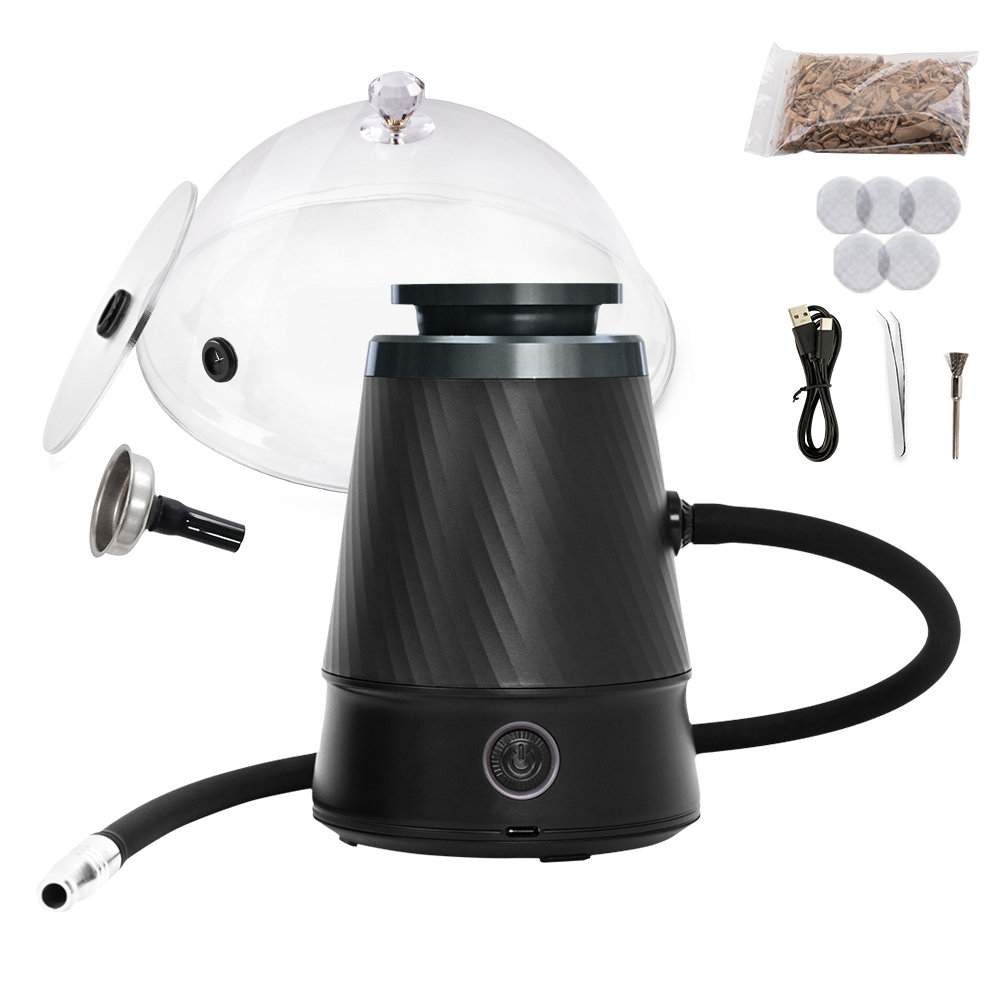
The application of smoke infusion extends far beyond food preparation, revolutionizing the world of craft cocktails and beverage creation. A smoke infuser can transform classic cocktails by adding aromatic smoke to glasses before serving, creating theatrical presentation and complex flavor layers. Whiskey-based cocktails particularly benefit from complementary wood smoke, while gin cocktails can be enhanced with herbal smoke from rosemary or thyme. The visual drama of smoke-filled glasses adds an element of sophistication to home entertaining.
Non-alcoholic beverages also benefit from smoke infusion techniques, with smoked simple syrups and infused waters creating unique refreshment options. Tea ceremonies can be elevated by incorporating subtle smoke elements, while coffee preparation gains new dimensions when beans are briefly exposed to aromatic smoke. These applications demonstrate the versatility of smoke infusion technology and its potential to enhance virtually any beverage experience.
Artisanal cheese making and dairy enhancement represent sophisticated applications of smoke infuser technology. Fresh cheeses like ricotta and mozzarella can be transformed with light smoke applications, creating products reminiscent of expensive artisanal varieties. Cream-based sauces benefit from subtle smoke infusion, adding depth without overwhelming delicate flavors. The key to successful dairy smoke infusion lies in restraint and timing, applying just enough smoke to enhance without masking the natural dairy characteristics.
Hard cheeses respond well to more intense smoke treatment, developing complex flavor profiles that rival expensive imported varieties. A quality smoke infuser allows home cooks to create personalized cheese selections for entertaining, combining different wood types with various cheese styles to develop unique flavor combinations. This technique particularly appeals to those interested in artisanal food preparation and custom flavor development.
Choosing the right smoke infuser requires consideration of several factors, including intended use frequency, kitchen space, and desired features. Professional-grade models offer precise temperature control and larger smoking chambers, while compact units provide excellent results for occasional use. Battery-powered smoke infusers offer portability and convenience, making them ideal for outdoor entertaining and travel applications. The investment in quality equipment pays dividends in consistent results and long-term reliability.
Proper setup and ventilation considerations ensure safe and effective smoke infuser operation. Kitchen exhaust systems should be operational during use, and adequate workspace should be designated for smoke infusion activities. Storage solutions for wood chips and accessories keep everything organized and readily accessible. Understanding your equipment's capabilities and limitations enables optimal performance and prevents common operational issues.
Operating a smoke infuser safely requires attention to ventilation, fire safety, and food handling protocols. Proper ventilation prevents smoke accumulation that could trigger smoke detectors or create uncomfortable conditions. Fire safety measures include using appropriate wood chips, maintaining clean equipment, and never leaving the device unattended during operation. Food safety protocols ensure that cold-smoked items are handled properly to prevent contamination while maximizing flavor development.
Regular maintenance and cleaning procedures extend equipment life and ensure consistent performance. Wood chip storage in dry conditions prevents mold development, while proper cleaning removes residue that could affect flavor quality. Understanding manufacturer recommendations for maintenance schedules and replacement parts ensures optimal long-term performance and safety compliance.
Seasonal menu planning with smoke infusion techniques creates exciting opportunities for year-round culinary exploration. Spring vegetables like asparagus and peas benefit from light fruit wood smoke, while summer's abundant tomatoes and peppers respond well to medium-intensity hardwood treatment. Fall ingredients such as squash and apples pair beautifully with traditional smoking woods, creating comfort foods with sophisticated flavor profiles. Winter cooking can incorporate intense smoke flavors that complement hearty stews and roasted meats.
Understanding ingredient seasonality and smoke compatibility enables menu planning that maximizes both flavor and ingredient quality. Local farmers' market selections can be enhanced with appropriate smoke treatments, creating dishes that celebrate regional ingredients while adding professional-level complexity. This approach supports sustainable cooking practices while developing culinary skills and creativity.
The theatrical aspect of smoke infusion makes it particularly valuable for entertaining and special occasion cooking. Tableside smoke infusion creates memorable dining experiences that engage multiple senses and generate conversation. Presentation techniques such as smoke-filled cloches and aromatic garnishes add restaurant-style drama to home dining. These elements transform ordinary meals into special occasions that guests remember long after the evening ends.
Photography and social media presentation benefit significantly from smoke infusion techniques, with the visual drama of smoke adding professional appeal to food photography. Understanding lighting and timing for capturing smoke effects enhances the documentation of culinary creations. These skills prove valuable for food bloggers, social media enthusiasts, and anyone interested in sharing their culinary adventures with others.
A smoke infuser works exceptionally well with proteins like fish, poultry, and red meats, as they readily absorb smoky flavors without requiring heat application. Vegetables such as mushrooms, eggplant, and tomatoes also respond beautifully to smoke treatment. Dairy products including cheese and cream-based sauces can be enhanced with subtle smoke applications. Even cocktails and beverages benefit from smoke infusion, particularly whiskey-based drinks and herbal teas. The key is matching the intensity of smoke treatment to the delicacy of the ingredient.
Timing varies significantly based on the ingredient and desired intensity. Delicate items like seafood and fresh cheese typically require only 30 seconds to 2 minutes of smoke exposure. Heartier proteins and vegetables can handle 3-5 minutes of treatment. Dense items like hard cheeses may benefit from longer exposure times. Start with shorter durations and gradually increase based on taste preferences. The smoke infuser allows for precise control, so experimentation helps determine optimal timing for different ingredients and personal preferences.
Yes, smoke infusers are designed for indoor use when proper ventilation and safety precautions are followed. Ensure kitchen exhaust fans are operating to prevent smoke accumulation. Use only recommended wood chips and materials, avoiding treated woods or synthetic materials. Never leave the device unattended during operation, and maintain clear workspace areas. Many models include safety features like automatic shut-off and temperature controls. Following manufacturer guidelines and maintaining awareness of surroundings ensures safe indoor operation.
Regular cleaning after each use prevents residue buildup that can affect flavor quality. Remove ash and debris from the smoking chamber, and clean external surfaces with appropriate cleaning solutions. Store wood chips in dry conditions to prevent mold development. Check battery levels in portable units and replace as needed. Periodic deep cleaning according to manufacturer specifications maintains optimal performance. Replace worn components like screens or filters as recommended. Proper storage in dry conditions protects electronic components and extends equipment life. Following maintenance schedules ensures consistent performance and safety compliance.
 EN
EN