Small food-processing businesses face unique challenges when it comes to maintaining product freshness, extending shelf life, and optimizing storage space. A portable vacuum sealer emerges as an essential tool that addresses these critical needs while providing the flexibility and efficiency that smaller operations require. Unlike traditional commercial vacuum sealing equipment, a portable vacuum sealer offers the perfect balance of functionality and mobility, allowing business owners to maintain professional-grade food preservation standards without the significant investment in stationary machinery. These versatile devices enable small-scale processors to compete effectively in the marketplace by ensuring consistent product quality and reducing food waste, ultimately contributing to improved profit margins and customer satisfaction.
The implementation of a portable vacuum sealer in small food-processing operations significantly enhances product preservation capabilities. By removing oxygen from packaging, these devices create an anaerobic environment that dramatically slows bacterial growth and oxidation processes. This preservation method extends the shelf life of various food products, from fresh meats and seafood to prepared meals and specialty items, allowing small businesses to maintain inventory for longer periods without compromising quality standards.
Quality control becomes more manageable when utilizing a portable vacuum sealer, as the consistent removal of air ensures uniform preservation conditions across all packaged items. Small food processors can establish standardized packaging protocols that maintain product integrity from production to distribution. The vacuum sealing process also prevents freezer burn and moisture loss, critical factors for businesses that rely on frozen storage to manage seasonal fluctuations in demand or ingredient availability.
The compact nature of a portable vacuum sealer makes it ideally suited for small food-processing environments where space optimization is crucial. These devices can be easily relocated within the workspace to accommodate different production workflows, seasonal changes, or temporary processing setups. The mobility factor allows businesses to bring the sealing equipment directly to the packaging station, reducing handling time and maintaining product temperature control during the sealing process.
Small-scale processors often operate in shared facilities or temporary locations, making the portability of vacuum sealing equipment essential for maintaining operational continuity. A portable vacuum sealer can be transported between different work sites, enabling businesses to expand their processing capabilities without investing in multiple stationary units. This flexibility supports business growth and adaptation to changing market conditions while maintaining consistent packaging standards across all locations.
One of the most significant financial benefits of implementing a portable vacuum sealer in small food-processing operations is the substantial reduction in food waste. The extended shelf life achieved through vacuum sealing allows businesses to process larger quantities of ingredients during peak seasons while maintaining product quality for extended periods. This capability enables more efficient inventory management and reduces the financial losses associated with spoiled or expired products.
The precise portion control enabled by vacuum sealing technology helps small processors optimize their ingredient usage and minimize overproduction. By sealing individual portions or specific quantities, businesses can better match production volumes with actual demand, reducing the risk of excess inventory that may require disposal. This level of control is particularly valuable for processors working with expensive ingredients or specialty items where waste directly impacts profitability.
Compared to large commercial vacuum sealing systems, a portable vacuum sealer represents a significantly lower initial investment while providing essential functionality for small-scale operations. The reduced complexity of portable units translates to lower maintenance requirements and decreased operational costs, making them financially accessible to startups and small businesses with limited capital resources.
The energy efficiency of portable vacuum sealing equipment contributes to ongoing cost savings, as these devices typically consume less power than their commercial counterparts. Additionally, the simplified maintenance procedures for portable units can often be performed by staff members without specialized technical training, eliminating the need for expensive service contracts or frequent professional maintenance visits that are common with larger commercial equipment.
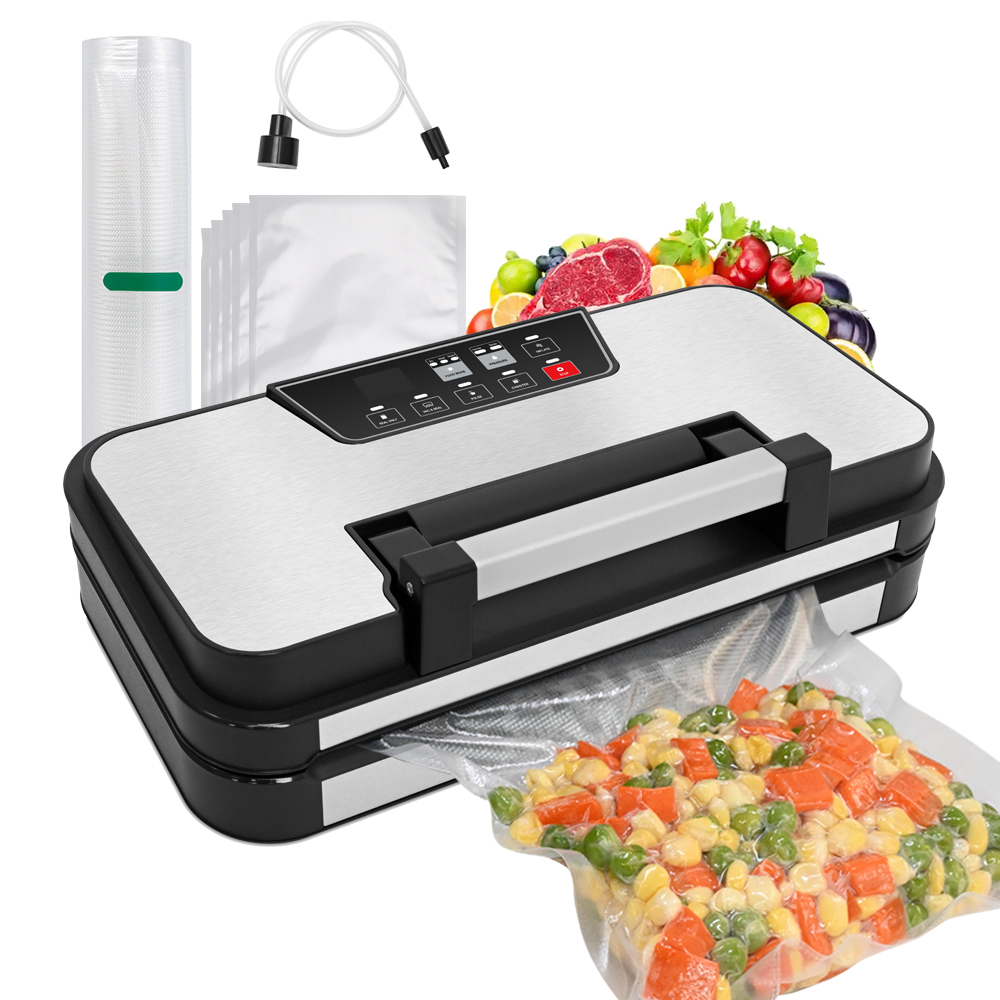
A portable vacuum sealer accommodates a wide range of food products and packaging requirements, making it invaluable for small processors who often work with diverse product lines. These devices can effectively seal everything from liquid-based products like marinades and sauces to solid items such as baked goods, prepared meals, and fresh produce. The versatility extends to different bag sizes and materials, allowing processors to customize packaging based on product specifications and market requirements.
The ability to handle both dry and moist food items with appropriate settings makes a portable vacuum sealer suitable for various processing applications. Small businesses specializing in prepared foods can use the same equipment to package soups, stews, and sauces alongside dry goods like seasoning blends or baked products. This multi-functionality eliminates the need for multiple packaging systems and streamlines the production process.
Small food processors can leverage the flexibility of portable vacuum sealing to create distinctive packaging presentations that support brand development and market differentiation. The clean, professional appearance of vacuum-sealed packages enhances product appeal and perceived value, crucial factors for small businesses competing against larger manufacturers. Custom bag printing and labeling options work seamlessly with vacuum sealing technology to create attractive retail presentations.
The portion control capabilities of a portable vacuum sealer enable small processors to develop product lines with consistent sizing and presentation standards. This consistency is essential for building brand recognition and customer loyalty, as consumers come to expect reliable quality and presentation from their preferred products. The professional packaging achieved through vacuum sealing also opens opportunities for retail partnerships and expanded distribution channels.
Modern portable vacuum sealer technology incorporates sophisticated control systems that allow operators to adjust sealing parameters based on specific product requirements. Variable vacuum levels, pulse functions, and customizable sealing times ensure optimal results for different food types and moisture contents. These advanced features enable small processors to achieve professional-grade packaging results while maintaining the simplicity and affordability of portable equipment.
Temperature control and automatic sealing functions reduce the skill requirements for operating a portable vacuum sealer, making it accessible to staff members with varying levels of technical experience. The consistency provided by automated settings ensures uniform packaging quality regardless of operator expertise, supporting quality control objectives and reducing training requirements for new employees.
Contemporary portable vacuum sealer designs incorporate features that support compliance with food safety regulations and HACCP protocols. Easy-to-clean surfaces, removable components for thorough sanitation, and materials that meet food-grade standards ensure that vacuum sealing operations maintain the highest hygiene standards. These features are essential for small processors seeking to meet regulatory requirements and maintain certifications necessary for commercial food sales.
Documentation and traceability requirements can be more easily managed when using a portable vacuum sealer for packaging operations. The consistent sealing dates and batch information can be clearly marked on vacuum-sealed packages, supporting inventory management and recall procedures if necessary. This level of documentation is increasingly important for small processors seeking to expand into regulated markets or establish relationships with larger distributors.
Portable vacuum sealers work exceptionally well with a wide variety of food products including fresh and cooked meats, seafood, prepared meals, baked goods, fresh produce, and liquid products like marinades and sauces. The key is selecting appropriate vacuum levels and sealing settings for each product type. Dry goods like seasonings and snack foods seal easily, while moist items may require pulse vacuum settings to prevent liquid extraction during the sealing process.
The return on investment for a portable vacuum sealer in small food processing typically occurs within six to twelve months through reduced food waste, extended product shelf life, and improved inventory management. The initial equipment cost is significantly lower than commercial-grade vacuum sealing systems, while the ongoing savings from reduced spoilage and improved portion control can amount to substantial cost reductions over time, particularly for businesses processing perishable ingredients.
Portable vacuum sealer maintenance typically involves regular cleaning of sealing bars and vacuum chambers, occasional replacement of sealing strips or gaskets, and periodic inspection of vacuum pumps. Most maintenance tasks can be performed by trained staff using standard cleaning supplies and basic tools. Regular maintenance schedules help ensure consistent performance and extend equipment lifespan, with most portable units requiring minimal professional servicing compared to larger commercial systems.
Modern portable vacuum sealers are designed to handle moderate production volumes suitable for small to medium-scale food processing operations. While they may not match the throughput of large commercial systems, many portable units can process several hundred packages per day, making them suitable for businesses with growing production needs. As businesses expand, multiple portable units can be deployed or upgraded to higher-capacity models while maintaining the flexibility and cost advantages of portable technology.
 EN
EN