A smoke infuser has become an indispensable tool for professional chefs and culinary enthusiasts who want to add authentic smoky flavors to their dishes without traditional smoking methods. These innovative devices allow you to infuse cocktails, appetizers, meats, and desserts with rich aromatic smoke in minutes. However, like any precision culinary equipment, maintaining your smoke infuser properly is crucial for ensuring consistent performance, extending its lifespan, and preserving the quality of smoke production over time.
Understanding the fundamental components and operational principles of your smoke infuser forms the foundation of effective maintenance practices. These devices typically feature a heating chamber, ventilation system, wood chip reservoir, and control mechanisms that work together to generate controlled smoke output. Regular maintenance not only prevents costly repairs but also ensures food safety standards and maintains the authentic flavors that make smoke infusion such a popular culinary technique.
After each use, your smoke infuser requires immediate attention to prevent residue buildup and maintain optimal functionality. Begin by disconnecting the power source and allowing the device to cool completely before handling any internal components. Remove the wood chip chamber and dispose of any remaining ash or unburned materials, as these can affect future smoke production and create unwanted flavors.
Clean the heating chamber using a soft brush or compressed air to remove ash particles and debris. Wipe down the interior surfaces with a slightly damp cloth, ensuring no moisture enters electrical components. The smoke infuser chamber should be thoroughly cleaned to prevent cross-contamination of flavors between different wood types used in your culinary applications.
The exterior housing of your smoke infuser requires regular cleaning to maintain both appearance and functionality. Use mild soap solutions and microfiber cloths to clean stainless steel or plastic surfaces, avoiding harsh chemicals that might damage protective coatings. Pay special attention to ventilation grilles and air intake areas, as these can accumulate grease and particles from kitchen environments.
Control knobs, displays, and switches should be cleaned carefully with slightly damp cloths, ensuring no moisture penetrates the electronic components. Regular exterior cleaning prevents buildup of cooking residues that can affect the smoke infuser performance and creates a more hygienic working environment in professional kitchen settings.
Implementing a weekly deep cleaning routine ensures your smoke infuser maintains peak performance levels throughout heavy usage periods. Disassemble all removable components according to manufacturer specifications, taking care to document the reassembly process through photos or notes. Soak removable parts in warm soapy water for thorough degreasing and residue removal.
Inspect the heating element for signs of wear, corrosion, or damage that might affect smoke production quality. Clean the element according to manufacturer guidelines, typically using specialized cleaning solutions designed for heating components. This smoke infuser maintenance step prevents efficiency loss and ensures consistent temperature control during operation.
Monthly inspections focus on identifying potential issues before they develop into costly repairs or performance problems. Check all electrical connections, wiring integrity, and control mechanisms for signs of wear or damage. Inspect seals, gaskets, and joints for proper fit and condition, as these components are crucial for maintaining proper smoke containment and pressure.
Calibrate temperature controls and timing mechanisms according to manufacturer specifications, ensuring your smoke infuser delivers consistent results. Document any unusual noises, vibrations, or performance variations that might indicate developing mechanical issues requiring professional attention or component replacement.
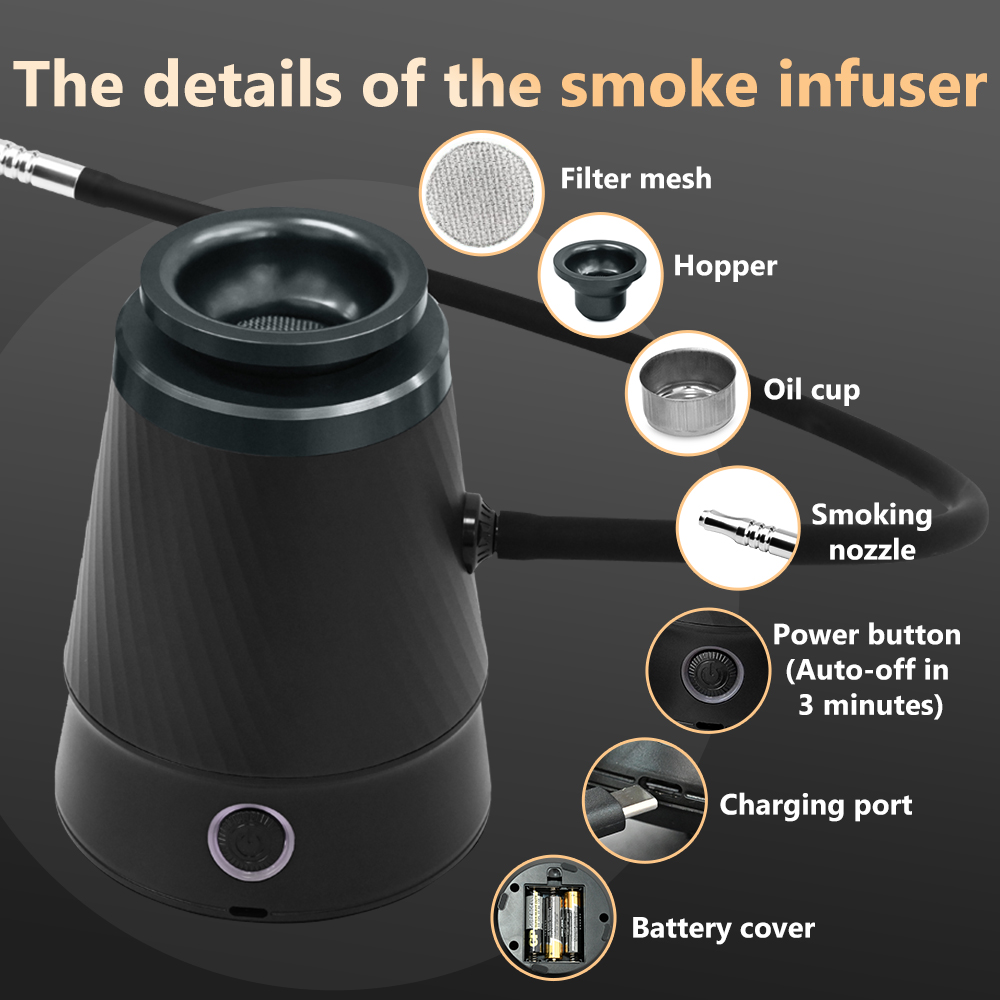
The quality and type of wood chips significantly impact both flavor output and the longevity of your smoke infuser system. Select appropriately sized chips that match your device specifications, avoiding oversized pieces that might block ventilation or undersized dust that can clog heating elements. Different wood varieties produce distinct flavor profiles, but all should be properly dried and free from chemical treatments.
Apple, cherry, hickory, and oak represent popular choices for various culinary applications, each requiring specific handling considerations. Store wood chips in dry, ventilated containers away from moisture and contaminants that might affect combustion characteristics or introduce unwanted flavors into your smoke infuser operations.
Implementing proper wood chip storage prevents moisture absorption, mold development, and contamination that can damage your smoke infuser and compromise food safety. Use airtight containers with desiccant packets to maintain optimal moisture levels, typically between 10-20% for efficient combustion and smoke production.
Label storage containers with wood types and purchase dates to maintain freshness rotation and prevent mixing different varieties unintentionally. Proper storage extends wood chip usability while ensuring consistent performance from your smoke infuser across different culinary applications and menu requirements.
Reduced smoke output often indicates maintenance issues that can be resolved through systematic troubleshooting approaches. Check wood chip moisture content, as overly wet or dry materials affect combustion efficiency and smoke quality. Inspect ventilation systems for blockages, ash buildup, or damaged components that might restrict airflow through your smoke infuser system.
Temperature inconsistencies frequently cause smoke production variations, requiring heating element inspection and possible recalibration. Clean temperature sensors and verify proper electrical connections to ensure accurate readings and consistent heating performance during smoke infuser operation cycles.
Unusual noises, vibrations, or operational irregularities often signal mechanical problems requiring immediate attention to prevent further damage. Inspect fan mechanisms, motor mounts, and moving components for wear, misalignment, or debris interference. Lubricate moving parts according to manufacturer specifications using appropriate food-safe lubricants.
Electrical issues typically manifest as inconsistent heating, control failures, or complete operational breakdown. Check power connections, fuses, and circuit integrity before consulting professional repair services. Many smoke infuser electrical problems result from moisture intrusion or component aging that requires replacement rather than repair attempts.
Operating a smoke infuser safely requires understanding fire prevention principles and implementing appropriate safety protocols in your kitchen environment. Maintain adequate clearance around the device, ensuring combustible materials remain at safe distances from heating elements and smoke output areas. Install appropriate fire suppression systems and ensure staff training covers emergency procedures.
Regular inspection of electrical components, heating elements, and ventilation systems prevents conditions that might lead to overheating or fire hazards. Your smoke infuser should never operate unattended, and cooling periods between uses help prevent component stress and potential failure modes that create safety risks.
Maintaining food safety standards during smoke infuser operations requires careful attention to cleaning protocols, temperature control, and contamination prevention. Use only food-grade wood chips free from chemicals, paints, or treatments that might introduce harmful substances into your culinary preparations.
Implement cross-contamination prevention measures when switching between different food types or flavoring applications. Clean and sanitize all contact surfaces between uses, maintaining temperature logs and operational records that demonstrate compliance with health department regulations and industry best practices.
Professional servicing ensures your smoke infuser receives expert attention for complex maintenance tasks beyond routine cleaning and inspection procedures. Schedule annual professional inspections that include electrical system testing, heating element evaluation, and calibration verification to maintain optimal performance standards.
Qualified technicians can identify potential issues before they affect operations, providing cost-effective preventive maintenance that extends equipment lifespan. Professional servicing also maintains warranty compliance and ensures your smoke infuser meets evolving safety standards and regulatory requirements in commercial kitchen environments.
Understanding warranty terms and maintaining compliance protects your investment while ensuring access to manufacturer support when needed. Document all maintenance activities, cleaning schedules, and operational parameters to demonstrate proper care and usage patterns that support warranty claims.
Register your smoke infuser with the manufacturer promptly after purchase, maintaining all documentation and proof of purchase materials. Avoid unauthorized modifications or repairs that might void warranty coverage, instead consulting manufacturer-approved service providers for complex maintenance or repair requirements.
Developing a comprehensive maintenance budget helps ensure your smoke infuser receives proper care without unexpected expense impacts on your operation. Factor costs for cleaning supplies, replacement parts, professional servicing, and potential repairs into your annual equipment maintenance planning process.
Preventive maintenance typically costs significantly less than emergency repairs or premature equipment replacement. Allocate resources for quality wood chips, proper storage solutions, and regular professional inspections that maintain your smoke infuser performance while minimizing long-term operational costs.
Proper maintenance maximizes the return on your smoke infuser investment through extended equipment life, consistent performance, and reduced downtime. Calculate maintenance costs against equipment replacement expenses and operational efficiency gains to demonstrate the financial benefits of comprehensive care programs.
Well-maintained equipment commands higher resale values and provides more reliable service throughout its operational lifetime. Your smoke infuser maintenance program should be viewed as an investment in operational reliability rather than an operational expense, contributing to overall business profitability and customer satisfaction.
Deep cleaning frequency depends on usage intensity, but weekly comprehensive cleaning works well for most commercial applications. High-volume operations might require more frequent deep cleaning, while occasional home use might extend intervals to monthly. Monitor performance indicators and adjust cleaning schedules based on smoke quality and operational efficiency observations.
Key indicators include inconsistent smoke production, unusual noises during operation, temperature control problems, or visible damage to heating elements. Electrical issues, persistent odors after cleaning, or difficulty maintaining proper combustion temperatures also suggest professional attention is needed to prevent further damage or safety hazards.
Only use untreated, food-grade wood chips specifically designed for culinary smoking applications. Avoid painted, treated, or chemically processed woods that might release harmful substances. Stick to hardwood varieties like apple, cherry, oak, or hickory, ensuring proper moisture content and appropriate chip size for your specific smoke infuser model.
Replace components when they show visible damage, corrosion, or performance degradation that affects smoke production quality. Heating elements typically last several years with proper maintenance but require replacement when temperature control becomes inconsistent or energy consumption increases significantly. Consult manufacturer guidelines for specific component lifespan expectations and replacement indicators.
 EN
EN