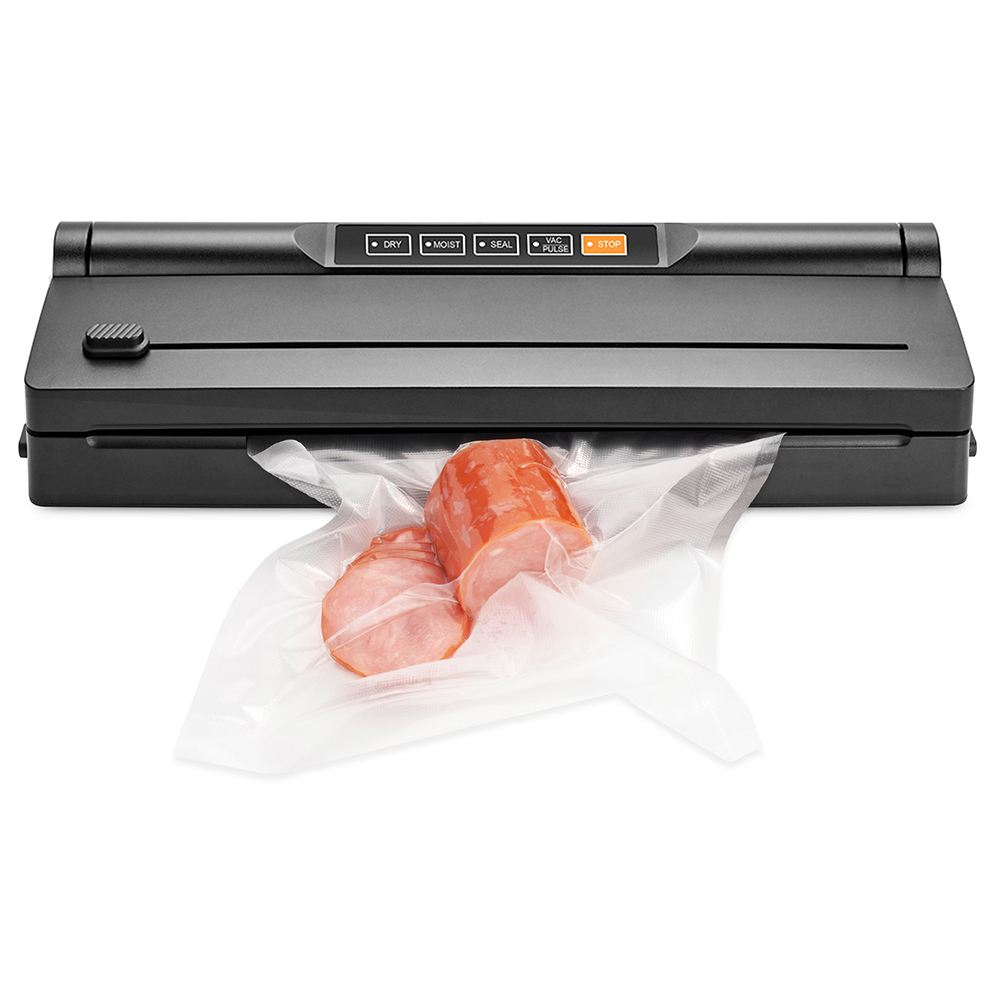
In today's fast-paced commercial and industrial environments, businesses are constantly seeking efficient solutions to preserve products, extend shelf life, and maintain quality standards. A compact vacuum sealer has emerged as an indispensable tool across multiple industries, offering versatility and reliability in a space-saving design. These innovative devices remove air from packaging materials, creating an oxygen-free environment that significantly extends product longevity while maintaining freshness and quality. Understanding the diverse applications where these machines excel can help businesses make informed decisions about implementing vacuum sealing technology into their operations.
Restaurant kitchens benefit tremendously from compact vacuum sealing technology, particularly for portion control and ingredient preparation. Professional chefs utilize these machines to pre-portion proteins, marinate meats efficiently, and store seasonal ingredients when they're at peak quality and pricing. The vacuum sealing process removes air that would otherwise cause freezer burn, allowing restaurants to maintain consistent food quality while reducing waste. Additionally, sous vide cooking techniques rely heavily on vacuum-sealed ingredients to achieve precise temperature control and optimal flavor retention.
Catering operations find compact vacuum sealers especially valuable for preparing meals in advance while maintaining food safety standards. The sealed packaging prevents cross-contamination and extends the safe storage period for prepared foods. Many establishments also use vacuum sealing for storing dry goods like spices, herbs, and specialty ingredients that can lose potency when exposed to air and moisture over extended periods.
Grocery stores, delicatessens, and specialty food retailers rely on compact vacuum sealers for custom packaging solutions. These machines enable businesses to offer customers freshly packaged meats, cheeses, and prepared foods with extended shelf life. The professional appearance of vacuum-sealed products often commands premium pricing while reducing product loss due to spoilage. Artisanal food producers particularly benefit from this technology when packaging specialty items like cured meats, artisan cheeses, or gourmet prepared meals for retail distribution.
Bakeries and confectioneries utilize vacuum sealing to preserve delicate items like decorated cookies, chocolate products, and seasonal specialties. The airtight seal prevents moisture absorption and maintains texture integrity, allowing these businesses to prepare products in advance for peak seasons or special events without compromising quality.
Healthcare facilities and pharmaceutical companies employ compact vacuum sealers for sterile packaging requirements and sample preservation. These machines create contamination-free environments for sensitive medical supplies, ensuring that sterile instruments and disposable medical devices maintain their integrity during storage and transport. The vacuum sealing process also protects pharmaceutical samples from environmental factors that could compromise their effectiveness or alter test results.
Research laboratories benefit from vacuum sealing technology when preserving biological samples, chemical compounds, and research materials that require specific storage conditions. The oxygen-free environment prevents oxidation and degradation of sensitive materials, while the compact design allows laboratories to maximize their limited storage space efficiently.
Dental offices and medical clinics use vacuum sealers as part of their instrument sterilization protocols. After autoclaving surgical instruments and dental tools, vacuum sealing provides an additional barrier against contamination while maintaining sterility until the instruments are needed. This process ensures compliance with healthcare regulations while reducing the risk of infection transmission between patients.
Emergency medical services and field hospitals appreciate the portability and reliability of compact vacuum sealers for preparing sterile supply kits. These sealed packages can be stored in ambulances or remote medical stations without concern for environmental contamination, ensuring that critical medical supplies remain sterile and ready for immediate use in emergency situations.
Electronics manufacturers utilize compact vacuum sealers to protect sensitive components from moisture, dust, and static electricity during storage and shipping. Semiconductors, circuit boards, and precision instruments require controlled environments to prevent damage from environmental factors. Vacuum sealing creates a protective barrier that maintains component integrity throughout the supply chain, reducing costly defects and warranty claims.
Aerospace and automotive industries employ vacuum sealing technology for preserving critical spare parts and components that may not be used immediately but must remain in perfect condition when needed. The compact vacuum sealer removes moisture and contaminants that could cause corrosion or degradation over extended storage periods, ensuring that replacement parts meet original specifications when installed.
Manufacturing facilities use vacuum sealing for preserving product samples and test specimens that require analysis at later dates. This technology ensures that material properties remain unchanged during storage, providing accurate data for quality control processes and regulatory compliance testing. The ability to maintain sample integrity over extended periods enables manufacturers to conduct long-term studies and comparative analyses essential for product development and improvement.
Research and development departments benefit from vacuum sealing when preserving prototype components and experimental materials. The controlled environment prevents contamination and degradation that could skew test results or compromise the validity of research findings. This application is particularly valuable in industries where material properties can change due to environmental exposure, such as polymer research or metallurgical studies.
Agricultural businesses and seed companies rely on vacuum sealing technology to maintain seed viability during long-term storage. The oxygen-free environment prevents premature germination and protects seeds from pest damage and moisture-related deterioration. This technology is especially crucial for heirloom varieties and specialty crops where maintaining genetic integrity over multiple seasons is essential for breeding programs and commercial production.
Nurseries and garden centers use compact vacuum sealers to package bulbs, tubers, and dormant plant materials for retail sale or seasonal storage. The sealed packaging prevents dehydration and maintains the plant materials in optimal condition until planting time, reducing loss rates and customer complaints while extending the viable selling season for seasonal products.
University extension programs and agricultural research institutions utilize vacuum sealing for preserving soil samples, plant specimens, and genetic material used in breeding programs. The controlled storage environment ensures that samples maintain their original characteristics, enabling researchers to conduct accurate comparative studies and develop new varieties with improved traits for commercial agriculture.
Organic certification programs benefit from vacuum sealing technology when storing reference samples and maintaining chain-of-custody documentation for certified products. The tamper-evident nature of vacuum-sealed packages provides additional security for samples that may be required for verification testing or regulatory compliance audits.
Libraries, museums, and archival institutions employ compact vacuum sealers to protect valuable documents, photographs, and artifacts from environmental damage. The oxygen-free environment prevents oxidation and slows the degradation process that affects paper, textiles, and other organic materials. This technology is particularly valuable for preserving historical documents and irreplaceable items that require long-term storage without climate-controlled facilities.
Legal offices and government agencies use vacuum sealing for preserving evidence and important documents that must maintain their integrity over extended periods. The sealed packaging provides protection against tampering while preventing deterioration that could compromise the legal validity of critical documents and evidence materials.
Online retailers benefit from compact vacuum sealing technology when shipping products that require protection from moisture, dust, or contamination during transit. The reduced package volume achieved through vacuum sealing can significantly lower shipping costs while providing superior product protection compared to traditional packaging methods. This is particularly advantageous for businesses selling clothing, textiles, or other compressible products through e-commerce channels.
Specialty retailers use vacuum sealing to create premium packaging experiences for high-value products. The professional appearance and extended shelf life associated with vacuum-sealed products often justify premium pricing while reducing return rates due to product deterioration during storage or shipping.
Compact vacuum sealers are ideal for small to medium-sized operations that require professional-grade vacuum sealing capabilities without the space requirements of industrial-scale equipment. These machines are perfect for restaurants, small manufacturing facilities, research laboratories, medical offices, and specialty retail operations that need reliable vacuum sealing but have limited counter or storage space. The compact design makes them suitable for businesses that require portability or need to move the equipment between different work areas.
While compact vacuum sealers may have lower throughput rates compared to large industrial models, they often provide comparable vacuum strength and seal quality for their intended applications. Modern compact units incorporate advanced pump technology and precise control systems that deliver professional results for most commercial applications. The key difference lies in duty cycle and volume capacity rather than seal quality, making compact models excellent choices for operations that prioritize versatility and space efficiency over maximum throughput.
Regular maintenance for compact vacuum sealers typically involves cleaning the sealing chamber, replacing worn sealing strips, and periodic pump oil changes depending on the model. Most units require minimal daily maintenance beyond wiping down surfaces and ensuring proper ventilation around the machine. The compact design often makes maintenance tasks more accessible compared to larger equipment, and many models feature user-replaceable components that reduce downtime and service costs for businesses.
Modern compact vacuum sealers are designed to accommodate various packaging materials including textured vacuum bags, smooth pouches, and specialty films for different applications. Many models feature adjustable vacuum and seal settings that optimize performance for different products, from delicate items requiring gentle handling to dense products needing maximum vacuum strength. Some units also include accessory ports for sealing containers and bottles, expanding their versatility for diverse commercial applications across multiple industries.
 EN
EN