Selecting the right vacuum packaging machine requires careful evaluation of multiple technical specifications and operational features that directly impact packaging quality, efficiency, and long-term performance. The decision process involves comparing critical components like sealing mechanisms, chamber dimensions, pump capacity, and control systems to ensure the chosen vacuum packaging machine meets specific production requirements and material compatibility needs.
Understanding which features to prioritize when comparing different models ensures optimal investment returns and operational success. Each vacuum packaging machine component contributes uniquely to the overall packaging process, from initial air extraction through final seal formation, making feature comparison essential for informed purchasing decisions and successful implementation in commercial or industrial environments.
The heart of any vacuum packaging machine lies in its pump system, which determines evacuation speed, ultimate vacuum level, and operational reliability. Rotary vane pumps offer consistent performance for medium-duty applications, while oil-sealed pumps provide superior vacuum levels for demanding packaging requirements. Dry pumps eliminate oil contamination risks but may have limited vacuum depth compared to oil-lubricated alternatives.
Pump capacity directly influences cycle times and productivity levels in commercial vacuum packaging operations. Higher CFM ratings enable faster air removal, reducing overall packaging time per unit. However, pump size must be balanced against chamber volume and intended application to avoid over-specification costs while ensuring adequate performance for target production volumes.
Maximum achievable vacuum level represents a crucial comparison point between different vacuum packaging machine models. Typical industrial units achieve 99.5% to 99.8% vacuum levels, measured in millibars or inches of mercury. Higher vacuum percentages extend product shelf life by removing more residual oxygen, particularly important for sensitive products like fresh meat, cheese, or electronic components.
Vacuum consistency across multiple cycles affects packaging quality uniformity and product presentation. Machines with precise vacuum control systems maintain stable evacuation levels regardless of package size variations or ambient conditions. This consistency becomes critical in high-volume operations where packaging quality directly impacts customer satisfaction and brand reputation.
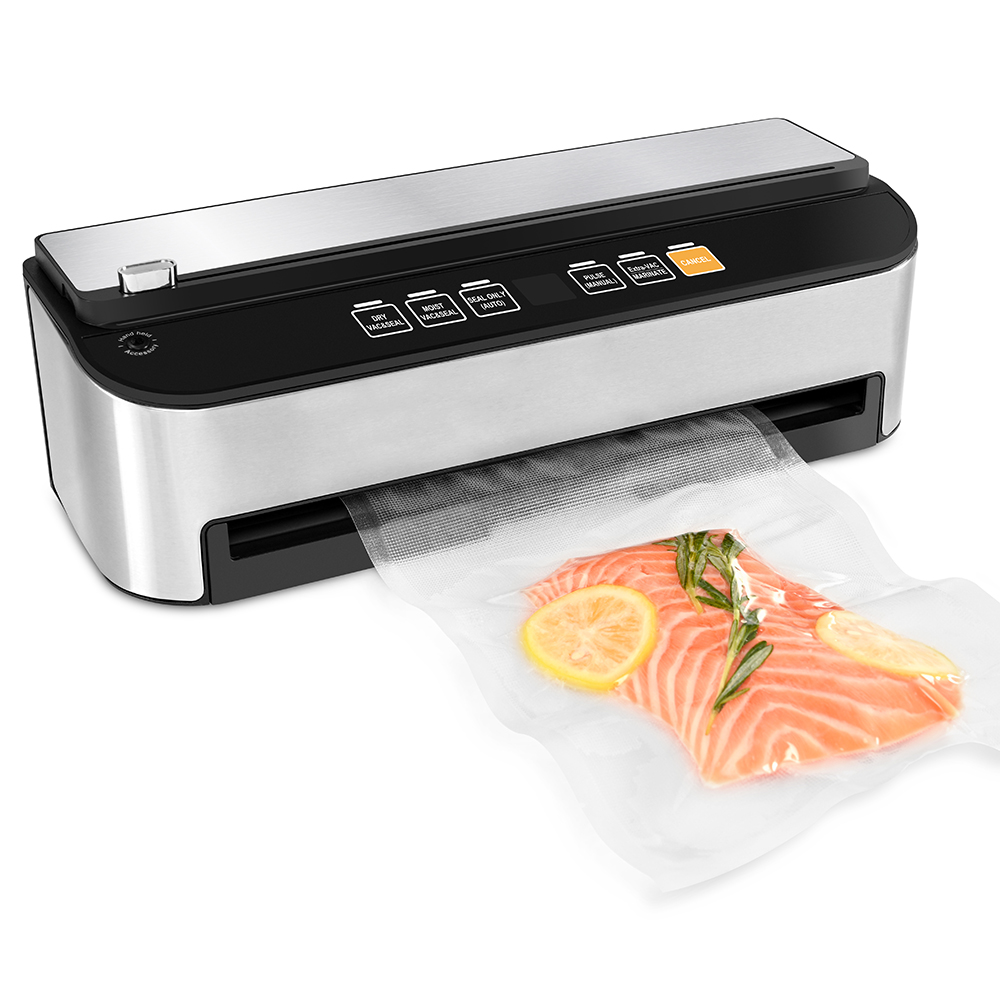
Sealing bar configuration determines the types of materials a vacuum packaging machine can effectively process. Single-bar systems work well with lighter films, while double-bar configurations provide superior seals for thicker materials and heavy-duty applications. Heating element width affects seal strength and appearance, with wider bars creating more robust seals but requiring longer cooling periods.
Temperature control precision influences sealing reliability across different film types and thicknesses. Advanced vacuum packaging machine models incorporate microprocessor-controlled heating systems that automatically adjust temperature based on material detection or user-programmed settings. This automation reduces operator error and ensures consistent seal quality throughout production runs.
Pneumatic and mechanical pressure systems deliver the force necessary for proper film fusion during the sealing process. Pneumatic systems offer adjustable pressure levels suitable for various film thicknesses, while mechanical systems provide consistent pressure through spring or cam mechanisms. The choice between systems affects both initial investment costs and ongoing maintenance requirements.
Pressure distribution across the sealing area ensures uniform seal formation without weak spots or incomplete fusion zones. Well-designed vacuum packaging machine models incorporate pressure plates that maintain even contact across the entire sealing width, preventing seal failures that could compromise package integrity during storage or transportation.
Chamber size directly limits the maximum package dimensions a vacuum packaging machine can accommodate. Length, width, and depth measurements must align with typical product sizes and packaging requirements to avoid operational constraints. Oversized chambers may reduce vacuum efficiency, while undersized chambers limit packaging flexibility and potential product expansion.
Chamber shape affects evacuation efficiency and product placement options during packaging operations. Rectangular chambers maximize space utilization for most product types, while specialized configurations may benefit specific applications like liquid packaging or irregularly shaped items. The chamber bottom design should facilitate easy loading and unloading while preventing product damage during vacuum cycles.
Lid operation mechanisms impact operator efficiency and safety during high-volume packaging operations. Manual lids require physical effort but offer simplicity and cost advantages, while pneumatic or electric lids reduce operator fatigue and enable faster cycle times. Lid sealing systems must maintain airtight chambers throughout the vacuum cycle while providing reliable operation over extended periods.
Product loading accessories like adjustable shelves, product supports, or liquid collection systems enhance versatility and ease of use for different vacuum packaging machine applications. These features become particularly valuable when processing diverse product lines or varying package sizes within the same production environment.
Control panel complexity should match operator skill levels and production requirements without compromising functionality. Basic mechanical controls work well for simple applications, while digital displays and touchscreen interfaces provide greater precision and program storage capabilities. The interface design affects training time, operational efficiency, and the ability to maintain consistent packaging parameters across different shifts.
Programming capabilities allow operators to store multiple packaging profiles for different products or customer requirements. Advanced vacuum packaging machine models offer memory storage for dozens of programs, including specific vacuum levels, sealing times, and cooling periods. This programmability reduces setup time when switching between different packaging specifications during production runs.
Sensor-based automation enhances packaging consistency while reducing manual intervention requirements. Automatic sealing systems detect optimal vacuum levels and initiate sealing cycles without operator input, improving efficiency and reducing cycle variations. Some models incorporate film detection sensors that adjust sealing parameters based on material thickness or type.
Safety interlocks and automatic shutdown features protect both operators and equipment during emergency situations or maintenance procedures. These systems monitor chamber pressure, lid position, and heating element temperatures to prevent dangerous conditions or equipment damage. Integration of these safety features often determines regulatory compliance and insurance requirements for commercial installations.
Different vacuum packaging machine models accommodate varying film types and thickness ranges, affecting application flexibility and material cost considerations. Standard machines handle polyethylene and nylon films effectively, while specialized units may process barrier films, metalized materials, or textured surfaces. Film compatibility directly impacts shelf life extension and package appearance quality.
Multi-layer film support becomes important for applications requiring specific barrier properties or enhanced durability. The vacuum packaging machine sealing system must generate adequate heat and pressure to fuse complex film structures without damaging product-contact surfaces or compromising barrier integrity.
Liquid handling capabilities expand vacuum packaging machine versatility for applications involving marinades, sauces, or high-moisture products. Machines with liquid overflow protection, tilted chambers, or special sealing sequences prevent contamination and maintain vacuum integrity during liquid product processing. These features often determine suitability for food service or medical device applications.
Sharp edge accommodation affects packaging success for products with pointed corners, bones, or metal components. Protective features like rounded chamber edges, product cushioning systems, or puncture-resistant sealing areas prevent film damage and maintain package integrity. This capability becomes critical when packaging hardware, medical instruments, or processed food products with bone-in components.
Pump size selection depends on chamber volume, desired cycle time, and production requirements. Calculate required CFM by dividing chamber volume by target evacuation time, then add 20-30% margin for consistent performance. Consider product type and packaging frequency to ensure adequate pump capacity without over-specification costs.
Most commercial applications require sealing temperatures between 250°F to 400°F (120°C to 200°C) with precise control within ±5°F. Higher temperature ranges accommodate thicker films and multi-layer materials, while fine temperature control ensures consistent seals across different film types without overheating or incomplete fusion.
Programmable controls provide significant value for operations packaging multiple product types or requiring consistent quality standards. Memory storage capabilities reduce setup time, minimize operator error, and ensure reproducible results. The investment typically pays for itself through improved efficiency and reduced waste in medium to high-volume applications.
Chamber dimensions directly affect packaging flexibility and production efficiency. Choose chambers 20-25% larger than your typical package size to accommodate variations and future product expansion. Oversized chambers may reduce vacuum efficiency and increase cycle times, while undersized chambers limit packaging options and potential business growth.
 EN
EN