Large-scale meal preparation has become a cornerstone of modern food service operations, from commercial kitchens to catering businesses and institutional facilities. The challenge lies not just in preparing nutritious, flavorful meals efficiently, but in maintaining their quality, safety, and freshness throughout storage and distribution. A vacuum packaging machine emerges as an indispensable tool that addresses these critical concerns while enabling food service operators to scale their operations effectively and profitably.
The necessity of implementing a vacuum packaging machine in large-scale meal prep operations stems from the unique challenges that high-volume food production presents. Unlike small-scale cooking where immediate consumption is expected, large-scale meal preparation requires sophisticated preservation methods to ensure food safety, extend shelf life, and maintain nutritional integrity across extended storage periods. Understanding why this equipment has become essential involves examining the specific operational, economic, and quality benefits it delivers to food service professionals.
The primary reason a vacuum packaging machine proves essential in large-scale meal prep operations relates to its ability to eliminate oxygen from food packages, creating an anaerobic environment that significantly inhibits bacterial growth. Most harmful bacteria require oxygen to multiply rapidly, and by removing air from packaging, the vacuum packaging machine extends the safe storage period of prepared meals from days to weeks. This oxygen elimination process is particularly crucial when dealing with protein-rich foods like meats, poultry, and seafood, which are highly susceptible to spoilage bacteria.
Commercial meal prep operations cannot afford the risk of foodborne illness outbreaks, which can devastate business reputation and result in costly legal consequences. The vacuum packaging machine provides a reliable barrier against contamination by creating a sealed environment that prevents external bacteria from reaching prepared foods. This protection becomes even more critical when meals are prepared in advance and stored for extended periods before distribution or service.
Temperature control works synergistically with vacuum packaging to maximize food safety benefits. When vacuum-sealed meals are stored at proper refrigeration temperatures, the combination creates optimal conditions for preventing bacterial proliferation while maintaining food quality. The vacuum packaging machine essentially transforms meal prep operations from reactive food safety management to proactive contamination prevention.
Large-scale meal preparation often involves cooking nutritious ingredients that can lose their vitamin and mineral content through oxidation processes. A vacuum packaging machine helps preserve these essential nutrients by preventing oxygen exposure that leads to nutrient degradation. Vitamins C and E, which are particularly sensitive to oxidation, remain more stable in vacuum-sealed environments, ensuring that prepared meals retain their intended nutritional value throughout storage.
The vacuum sealing process also helps maintain the natural moisture content of prepared foods, preventing dehydration that can concentrate sodium levels and alter nutritional profiles. This moisture retention is especially important for large-scale operations serving health-conscious consumers who expect consistent nutritional quality in their prepared meals. The vacuum packaging machine supports these expectations by creating storage conditions that preserve both macro and micronutrient content.
Enzyme activity, which can break down proteins and alter food texture and flavor, is significantly reduced in oxygen-free environments created by vacuum packaging machines. This enzyme suppression helps maintain the intended taste, texture, and nutritional composition of prepared meals, ensuring that consumers receive the same quality experience whether they consume the meal immediately after preparation or several days later.
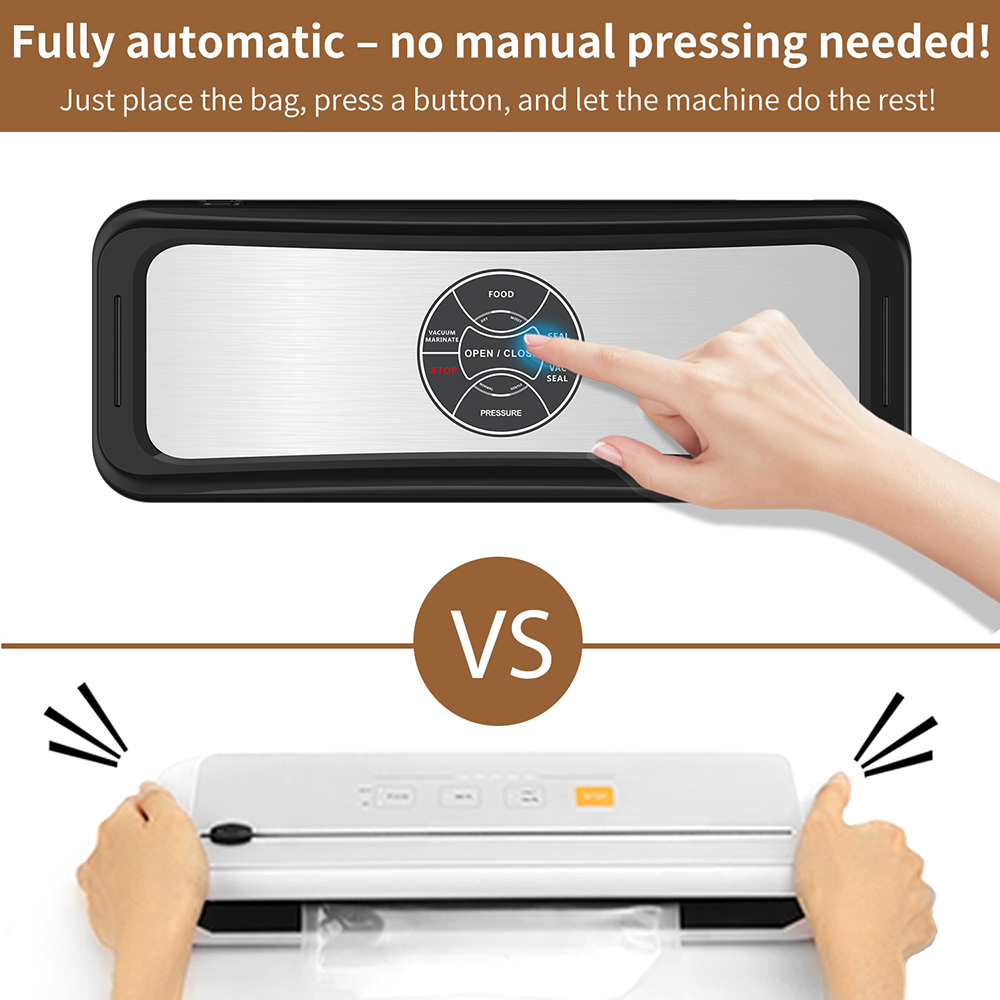
The economic advantages of implementing a vacuum packaging machine in large-scale meal prep operations are substantial, beginning with the ability to extend food storage life significantly. Traditional storage methods may preserve prepared meals for 3-5 days under refrigeration, while vacuum-sealed meals can maintain quality and safety for 2-3 weeks. This extended storage capability allows meal prep operations to implement more efficient batch production schedules, reducing labor costs and kitchen utilization expenses.
Batch production efficiency enabled by vacuum packaging machines allows operations to prepare larger quantities during optimal staffing periods, rather than maintaining continuous daily production schedules. This scheduling flexibility can reduce overtime labor costs while ensuring consistent meal availability throughout peak demand periods. The vacuum packaging machine becomes a strategic tool for operational planning and resource optimization.
Storage space optimization represents another significant economic benefit of vacuum packaging technology. Vacuum-sealed meals occupy substantially less storage volume than traditionally packaged foods, allowing operations to maximize refrigeration capacity and reduce facility costs. The vacuum packaging machine creates compact, stackable packages that improve inventory management and storage efficiency.
Food waste represents a significant cost factor in large-scale meal preparation, with spoilage often accounting for 15-20% of total food costs in commercial operations. A vacuum packaging machine dramatically reduces waste by extending the usable life of prepared meals and ingredients, allowing operations to better manage inventory turnover and reduce disposal expenses. This waste reduction directly translates to improved profit margins and more sustainable business operations.
Inventory forecasting becomes more accurate when meal prep operations can rely on extended storage capabilities provided by vacuum packaging machines. Operations can prepare meals based on projected demand rather than immediate consumption requirements, reducing the risk of overproduction waste while ensuring adequate supply during high-demand periods. This improved forecasting capability enhances overall operational profitability.
Portion control accuracy improves when using vacuum packaging machines, as individual meals can be precisely portioned and sealed, eliminating serving size variations that contribute to food costs. The vacuum packaging process creates standardized portion sizes that support consistent pricing models and help control food costs across large-scale operations.
Customer satisfaction in large-scale meal prep operations depends heavily on delivering consistent quality across all prepared meals, regardless of when they were produced or consumed. A vacuum packaging machine plays a crucial role in maintaining flavor integrity by preventing oxidation processes that can create off-flavors and alter taste profiles. The sealed environment preserves the intended seasoning balance and prevents flavor compounds from dissipating during storage.
Texture consistency represents another critical quality factor that vacuum packaging machines help maintain. By preventing moisture loss and controlling exposure to air, vacuum-sealed meals retain their original texture characteristics, whether dealing with tender proteins, crisp vegetables, or properly cooked grains. This texture preservation ensures that customers receive meals with the same eating experience as freshly prepared dishes.
Appearance quality is maintained through vacuum packaging by preventing color changes associated with oxidation and dehydration. Proteins maintain their appetizing color, vegetables retain vibrant hues, and prepared dishes preserve their visual appeal throughout extended storage periods. This appearance consistency is particularly important for meal prep operations serving visually-oriented customers who associate food appearance with quality and freshness.
Large-scale operations require quality control systems that can maintain consistent standards across high production volumes. Vacuum packaging machines provide a standardized preservation method that eliminates variables associated with traditional storage approaches, ensuring that every meal receives the same level of protection regardless of production batch size or timing. This standardization supports quality assurance protocols essential for commercial food operations.
Temperature consistency during storage becomes more manageable when meals are vacuum-sealed, as the packaging provides additional insulation and protection against temperature fluctuations. The vacuum packaging machine creates a controlled environment that helps maintain optimal storage conditions even when refrigeration systems experience minor temperature variations.
Brand reputation protection is enhanced when operations can guarantee consistent meal quality through reliable preservation methods. Vacuum packaging machines provide the technological foundation for quality promises that meal prep operations can make to their customers, supporting marketing claims about freshness, safety, and nutritional value.
Modern food safety regulations require commercial meal prep operations to implement Hazard Analysis Critical Control Points (HACCP) systems that identify and control potential contamination risks. A vacuum packaging machine serves as a critical control point by creating documented barrier protection against bacterial contamination and providing traceable preservation methods that support regulatory compliance requirements.
Documentation requirements for commercial food operations become more manageable when vacuum packaging machines are integrated into production processes. The sealed packaging provides clear evidence of protection measures taken to ensure food safety, supporting audit trails required by health departments and regulatory agencies. This documentation capability is essential for maintaining operating licenses and passing regulatory inspections.
Liability protection improves when operations can demonstrate implementation of industry-standard preservation technologies like vacuum packaging machines. Insurance providers often recognize these risk reduction measures when evaluating coverage options and premium rates for commercial food operations, potentially reducing operational insurance costs while providing enhanced protection against food safety claims.
Professional food service operations are increasingly expected to meet industry standards for food preservation and safety that include vacuum packaging capabilities. Commercial clients, institutional customers, and regulatory agencies view vacuum packaging machines as essential equipment for serious meal prep operations, making this technology necessary for maintaining competitive positioning in the market.
Certification programs for food safety management systems often require documentation of preservation methods that extend beyond basic refrigeration. Vacuum packaging machines provide the technological foundation for achieving certifications like SQF (Safe Quality Food) or BRC (Brand Reputation Compliance) that are increasingly required for commercial food service contracts.
Supply chain integration becomes smoother when meal prep operations use standardized preservation methods like vacuum packaging that are recognized and accepted by distribution partners, retail clients, and institutional customers. The vacuum packaging machine creates compatibility with existing food service supply chains and logistics systems.
Commercial vacuum packaging machines suitable for large-scale meal prep operations typically range from $2,000 to $15,000 depending on capacity, features, and automation level. While the initial investment may seem substantial, most operations recover costs within 6-12 months through reduced food waste, extended storage capabilities, and improved operational efficiency. The return on investment calculation should include savings from reduced spoilage, labor efficiency gains, and potential revenue increases from expanded service capabilities.
Vacuum packaging machines work exceptionally well with protein-based dishes, cooked grains, prepared vegetables, soups, stews, and complete meal combinations. Foods with high moisture content, delicate textures like leafy greens, or items that might be crushed during the vacuum process may require modified packaging approaches or specialized vacuum settings. Most successful large-scale meal prep operations find that 80-90% of their prepared dishes benefit from vacuum packaging preservation methods.
Properly vacuum-sealed prepared meals can typically be safely stored under refrigeration for 2-3 weeks, compared to 3-5 days for traditionally packaged meals. Frozen vacuum-sealed meals can maintain quality for several months. However, storage duration depends on factors including initial food quality, preparation methods, storage temperature consistency, and specific food types. Operations should establish their own testing protocols to determine optimal storage periods for their specific menu items and preparation methods.
Modern commercial vacuum packaging machines require minimal daily maintenance, typically involving cleaning sealing bars, checking vacuum pump oil levels, and ensuring proper calibration settings. Most manufacturers provide comprehensive training programs for operators, and basic operation can be learned within a few hours. Regular professional servicing every 6-12 months helps maintain optimal performance and extends equipment life. Staff training should emphasize proper bag selection, sealing techniques, and quality control procedures to maximize the benefits of vacuum packaging technology.
 EN
EN