Selecting the right automatic vacuum sealer can transform your food storage and preservation methods. These innovative appliances have revolutionized how we maintain food freshness, extend shelf life, and organize our pantry storage. Whether you're a home cook, bulk buyer, or food preservation enthusiast, understanding the key aspects of automatic vacuum sealers will help you make an informed decision for your specific needs.
Today's market offers a wide range of automatic vacuum sealers with varying features, capabilities, and price points. Making the right choice requires careful consideration of several crucial factors that directly impact performance and user experience. Let's explore the vital elements that deserve your attention when selecting an automatic vacuum sealer for your kitchen.
The sealing power of an automatic vacuum sealer determines its effectiveness in creating airtight seals. Professional-grade models typically offer vacuum strength between 24-28 HG (inches of mercury), providing optimal air removal for longer food preservation. Higher vacuum strength ensures better removal of oxygen, which is crucial for preventing freezer burn and maintaining food quality.
Look for models with adjustable vacuum strength settings, as different foods require varying levels of pressure. Delicate items like fresh berries or baked goods need gentler vacuum pressure compared to meats or hard vegetables. This flexibility ensures versatile use across different food types.
The sealing bar width directly affects what size bags you can use with your automatic vacuum sealer. Standard models typically feature 11-12 inch sealing bars, while commercial-grade units may offer up to 15 inches or more. Consider your typical packaging needs when evaluating sealing width options.
Equally important is the quality of the sealing mechanism. Double sealing features provide extra security, while adjustable sealing times accommodate different bag thicknesses. Premium models often include cooling fans to prevent overheating during extended use.
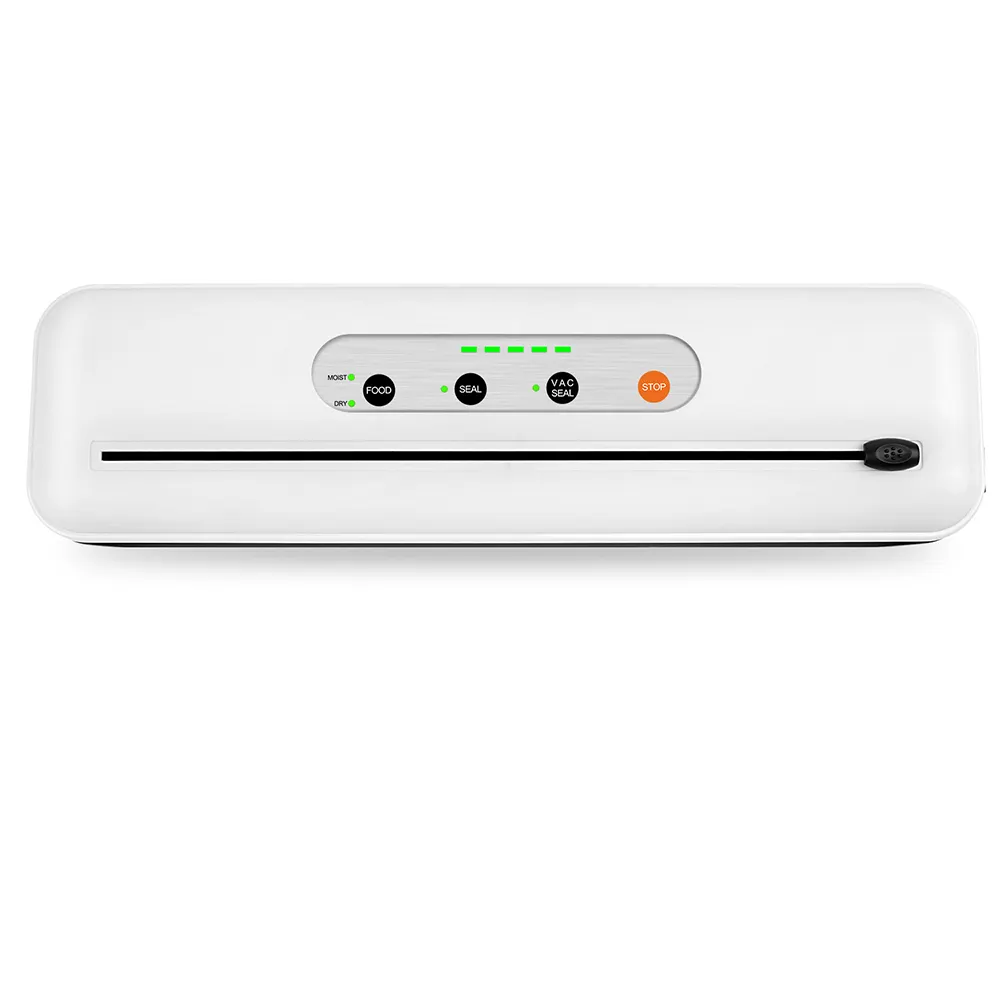
An intuitive control panel makes operating an automatic vacuum sealer much more enjoyable. Look for models with clear, easy-to-understand buttons and indicators. Digital displays offer precise control over settings and provide helpful feedback during operation. Some advanced models include programmable options for different food types and storage methods.
Automatic moisture detection is another valuable feature that adjusts sealing parameters based on food content. This prevents liquid from being drawn into the vacuum chamber, which could damage the machine and compromise sealing quality.
The build quality of an automatic vacuum sealer significantly impacts its longevity and performance. Stainless steel construction offers superior durability compared to plastic housings. Check for robust hinges, sturdy sealing bars, and quality gaskets that can withstand frequent use.
Consider models with removable drip trays for easy cleaning and maintenance. Replaceable sealing strips and gaskets extend the machine's lifespan and ensure consistent performance over time. Commercial-grade models often feature enhanced cooling systems for continuous operation.
Modern automatic vacuum sealers often include specialized modes for different applications. Pulse vacuum functions allow precise control over air removal for delicate items. Marinate modes use vacuum cycling to infuse flavors quickly into foods. Some models offer dry and moist food settings to optimize sealing parameters based on content.
Look for units with manual sealing options, allowing you to create custom-length bags from roll materials. This feature provides flexibility in packaging sizes and can be more economical than pre-cut bags.
The ability to use various accessories expands an automatic vacuum sealer's versatility. Many models offer compatibility with jar sealers, bottle stoppers, and container attachments. These accessories enable vacuum sealing of non-bag items like mason jars, wine bottles, and reusable containers.
Consider whether the model includes starter kits with bags and rolls. Some manufacturers offer proprietary bag systems, while others work with generic vacuum bags. Factor in long-term costs and availability of consumables when making your decision.
The physical dimensions of an automatic vacuum sealer affect its practicality in your kitchen. Compact models save counter space but may sacrifice sealing width or features. Larger units offer more capabilities but require dedicated storage space. Consider vertical storage options and cord storage features for convenience.
Some models feature built-in bag storage and cutters, streamlining the sealing process. These integrated features can save time and reduce clutter, though they may increase the unit's overall size.
Regular maintenance ensures optimal performance from your automatic vacuum sealer. Look for models with easily accessible components for cleaning and maintenance. Removable sealing bars and drip trays simplify the cleaning process. Consider the availability and cost of replacement parts when evaluating different models.
Warranty coverage varies significantly between manufacturers. Premium models often come with extended warranties and dedicated customer support. Research the manufacturer's reputation for service and support in your region.
Sealing strips typically need replacement every 3-6 months with regular use. However, this varies based on usage frequency and the types of materials being sealed. Watch for signs of wear such as incomplete seals or inconsistent performance to determine when replacement is needed.
Yes, but proper technique is crucial. Many modern automatic vacuum sealers include moisture detection and specialized settings for wet foods. For best results, freeze liquids first or use the pulse function to prevent liquid from being drawn into the vacuum chamber.
A quality automatic vacuum sealer should last 5-10 years with proper maintenance. Commercial-grade models may last longer, while budget models might need replacement sooner. Regular cleaning, proper usage, and timely replacement of wear parts significantly extend the unit's lifespan.
Consider your typical batch sizes and the types of food you'll be sealing. For household use, an 11-12 inch sealing bar usually suffices. If you frequently package larger items or buy in bulk, consider a wider sealing bar. Also factor in storage space and whether you need portability.
 EN
EN