The food processing industry has witnessed remarkable transformations over the decades, with automatic vacuum sealers emerging as a cornerstone technology for modern food preservation and packaging. These sophisticated machines have revolutionized how food processors maintain product freshness, extend shelf life, and ensure consistent quality across their production lines.
Today's competitive market demands efficient, reliable, and cost-effective solutions for food packaging. Automatic vacuum sealers have become indispensable tools, offering precision, speed, and reliability that manual sealing methods simply cannot match. As food processors face increasing pressure to optimize their operations while maintaining the highest quality standards, these advanced sealing systems provide compelling advantages that make them the preferred choice across the industry.
Automatic vacuum sealers dramatically increase production capacity compared to traditional sealing methods. These systems can process hundreds of packages per hour with consistent quality, enabling food processors to meet demanding production schedules and scale their operations effectively. The automated nature of these machines eliminates the need for constant manual intervention, reducing labor costs and minimizing human error in the packaging process.
Modern automatic vacuum sealers incorporate advanced features like continuous belt systems and multi-chamber designs, allowing for uninterrupted operation and maximum efficiency. This increased throughput directly translates to improved productivity and better resource utilization, making them an invaluable asset for food processing facilities of all sizes.
One of the most significant advantages of automatic vacuum sealers is their ability to maintain precise control over the sealing process. These machines offer adjustable vacuum levels, sealing temperatures, and dwell times, ensuring optimal packaging conditions for different food products. This level of control results in consistently high-quality seals that protect product integrity and extend shelf life.
The automated systems also incorporate sophisticated monitoring capabilities that maintain preset parameters throughout the production run. This consistency is particularly crucial for food processors handling multiple product lines or dealing with varying packaging requirements, as it eliminates the variability often associated with manual sealing operations.
Automatic vacuum sealers create an impermeable barrier that protects food products from external contamination and environmental factors. The vacuum-sealed packaging removes air that could otherwise lead to oxidation, moisture loss, or bacterial growth. This protection is essential for maintaining product freshness, appearance, and nutritional value throughout the distribution chain.
The technology employed in modern automatic vacuum sealers ensures consistent seal integrity, reducing the risk of package failures that could compromise food safety. Advanced sealing mechanisms create strong, reliable seals that can withstand handling during transportation and storage, providing peace of mind to both processors and consumers.
In today's highly regulated food industry, compliance with safety standards is paramount. Automatic vacuum sealers are designed to meet stringent hygiene requirements and often feature sanitize-able surfaces and components. These machines help food processors maintain HACCP compliance and satisfy other regulatory requirements through their controlled, documented processes.
Many automatic vacuum sealers also include features for traceability and quality control, such as integrated printing systems for lot codes and expiration dates. This capability supports food processors in maintaining detailed production records and implementing effective recall procedures when necessary.
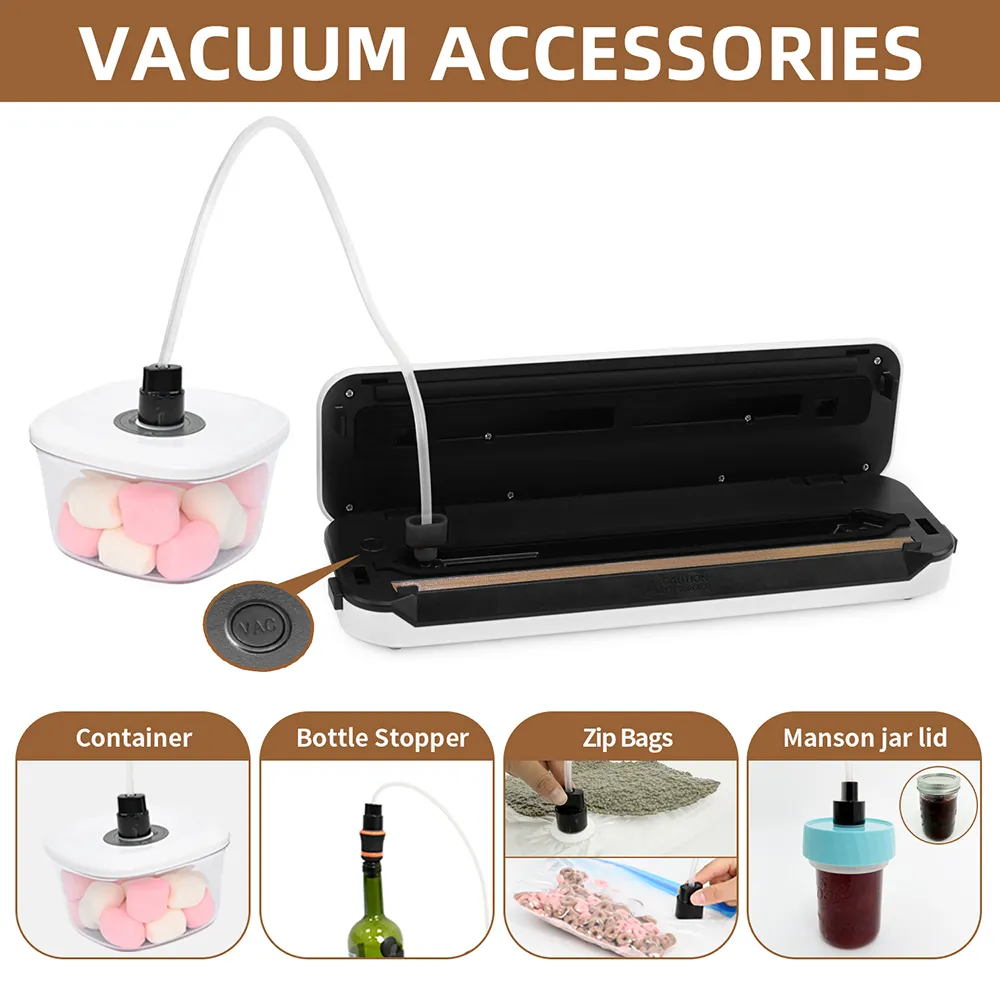
While the initial investment in automatic vacuum sealers may be significant, the long-term cost benefits are substantial. These machines reduce labor costs through automation, minimize packaging material waste through precise control, and lower energy consumption compared to older sealing technologies. The reduction in product loss due to improved packaging quality also contributes to overall cost savings.
The durability and reliability of modern automatic vacuum sealers translate to reduced maintenance costs and longer service life. Many systems are designed for easy cleaning and maintenance, minimizing downtime and ensuring consistent operation over extended periods.
Food processors using automatic vacuum sealers gain a competitive edge through improved product presentation and longer shelf life. The professional appearance of vacuum-sealed packages enhances brand image and consumer appeal, while extended shelf life opens opportunities for broader distribution networks and market reach.
The efficiency gains and quality improvements provided by these systems allow processors to maintain competitive pricing while ensuring product excellence. This combination of benefits helps businesses grow their market share and maintain strong relationships with retailers and distributors.
Automatic vacuum sealers significantly extend food shelf life by removing air and creating an airtight seal that prevents oxidation and microbial growth. Depending on the product type and storage conditions, vacuum-sealed foods can maintain freshness for weeks or months longer than conventional packaging methods.
Regular maintenance typically includes cleaning sealing bars, checking vacuum pumps, inspecting seal gaskets, and calibrating control systems. Most modern machines are designed for easy maintenance and include self-diagnostic features that alert operators to potential issues before they cause downtime.
Yes, modern automatic vacuum sealers are versatile and can work with various packaging materials, including different thicknesses of plastic films, laminated materials, and specialized barrier materials. Many systems offer adjustable settings to optimize sealing parameters for different packaging materials and product requirements.
 EN
EN