The culinary world has witnessed a remarkable transformation in recent years, with restaurants constantly seeking innovative ways to enhance the dining experience. Among the most captivating trends emerging in fine dining establishments is the growing adoption of smoke infuser technology for tableside service. This sophisticated culinary tool has revolutionized how chefs present dishes, creating an immersive sensory experience that combines visual spectacle with aromatic enhancement. The smoke infuser has become more than just a cooking tool; it represents a bridge between traditional culinary techniques and modern presentation innovation.
Tableside service has deep roots in classical European dining traditions, where dishes were prepared and finished in front of guests to demonstrate culinary skill and ensure optimal temperature and freshness. The concept gained prominence in luxury hotels and fine dining establishments during the early twentieth century. Caesar salad preparation, flambéed desserts, and carved roasts became signature presentations that elevated the dining experience beyond mere consumption. These theatrical elements created memorable moments that distinguished exceptional restaurants from ordinary dining establishments.
The modern interpretation of tableside service has evolved significantly with technological advancements and changing consumer expectations. Today's diners seek more than excellent food; they desire Instagram-worthy presentations and unique experiences that create lasting memories. The smoke infuser perfectly addresses this demand by combining traditional smoking techniques with contemporary presentation aesthetics. This evolution reflects broader shifts in hospitality, where experiential dining has become as important as culinary excellence.
Modern restaurant patrons have developed increasingly sophisticated palates and heightened expectations for dining experiences. The rise of food media, culinary television shows, and social media platforms has educated consumers about advanced cooking techniques and presentation methods. Diners now expect restaurants to provide not just meals but comprehensive sensory experiences that engage multiple senses simultaneously. The visual appeal, aromatic enhancement, and interactive elements have become crucial factors in restaurant selection and customer satisfaction.
Restaurant operators recognize that memorable experiences generate positive reviews, social media buzz, and repeat customers more effectively than food quality alone. The smoke infuser serves as a powerful tool for creating these memorable moments while simultaneously enhancing the actual flavor profiles of dishes. This dual functionality makes it an invaluable investment for establishments seeking to differentiate themselves in competitive markets.
Professional-grade smoke infuser devices offer unprecedented control over smoking intensity, duration, and wood selection compared to traditional smoking methods. These portable units allow chefs to apply precise amounts of smoke directly to individual dishes, cocktails, or serving vessels without affecting other menu items. The temperature-controlled smoking process preserves delicate flavors while adding subtle smoky notes that complement rather than overpower primary ingredients.
The technical sophistication of modern smoking equipment enables consistent results across multiple services, ensuring that every guest receives the same high-quality experience. Advanced models feature adjustable airflow systems, temperature monitoring, and safety mechanisms that make tableside operation both safe and reliable. This consistency is crucial for maintaining service standards and training staff members to execute presentations confidently.
The smoke infuser demonstrates remarkable versatility in its applications across various menu categories, from appetizers and main courses to desserts and beverages. Chefs utilize this technology to enhance seafood presentations, add depth to vegetarian dishes, create signature cocktail experiences, and even elevate dessert presentations with subtle aromatic elements. This versatility maximizes the return on investment while providing multiple opportunities for menu innovation and differentiation.
Different wood varieties produce distinct flavor profiles, allowing culinary teams to customize smoking applications for specific dishes or seasonal menus. Cherry wood imparts mild sweetness ideal for desserts, while hickory provides robust flavors perfect for meat preparations. This flexibility enables restaurants to develop signature presentations that reflect their culinary identity and regional preferences.
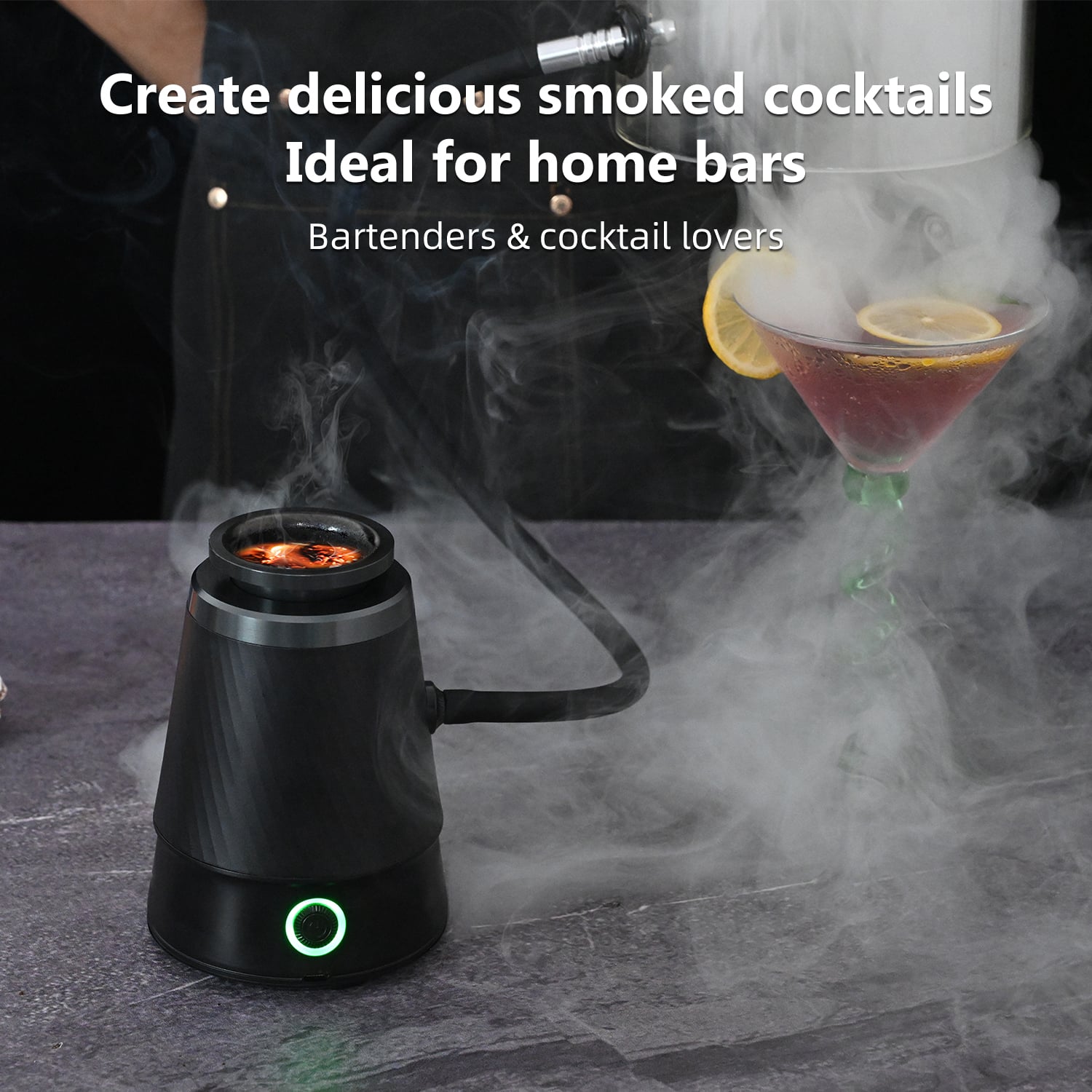
Restaurants implementing smoke infuser technology consistently report increased customer satisfaction scores and positive feedback related to memorable dining experiences. The interactive nature of tableside smoking creates emotional connections between guests and their meals, leading to stronger brand loyalty and increased likelihood of recommendations to others. These positive experiences translate directly into improved online reviews and word-of-mouth marketing, which are invaluable for restaurant success.
The visual and aromatic impact of tableside smoking often becomes the highlight of the dining experience, creating shareable moments that extend marketing reach through social media posts and customer testimonials. Many establishments report that dishes featuring smoke infuser presentations become their most photographed and shared menu items, generating organic marketing value that extends far beyond the initial dining experience.
The enhanced presentation and unique experience provided by smoke infuser technology justifies premium pricing structures that improve profit margins on featured dishes. Restaurants typically charge additional fees for tableside smoking services, ranging from modest supplements to substantial premiums depending on the establishment's positioning and market demographics. These pricing strategies reflect the added value provided through enhanced presentation, increased preparation time, and specialized equipment investment.
Menu engineering strategies incorporating smoke infuser presentations often result in increased average check sizes as customers gravitate toward these premium experiences. The perceived value of tableside service and unique presentations encourages guests to select higher-priced menu items and add-on services, contributing to overall revenue growth and improved financial performance.
Successful implementation of smoke infuser technology requires comprehensive staff training programs covering equipment operation, safety protocols, and presentation techniques. Service staff must understand proper handling procedures, maintenance requirements, and troubleshooting methods to ensure consistent execution and guest safety. Training programs typically include hands-on practice sessions, safety certification, and ongoing education to maintain service standards.
Safety considerations include proper ventilation management, fire prevention protocols, and guest allergy awareness. Staff members must be trained to identify potential safety hazards and respond appropriately to emergency situations. These protocols protect both guests and employees while ensuring compliance with local health department regulations and insurance requirements.
Choosing appropriate smoke infuser equipment requires careful consideration of capacity requirements, durability specifications, and maintenance needs. Professional-grade units offer superior reliability and consistent performance compared to consumer models, making them essential for commercial applications. Investment in quality equipment reduces long-term maintenance costs and ensures consistent service delivery.
Regular maintenance schedules include cleaning procedures, component inspections, and preventive maintenance protocols that extend equipment lifespan and maintain optimal performance. Proper maintenance practices prevent service interruptions and ensure that tableside presentations meet established quality standards consistently.
The adoption of smoke infuser technology has accelerated rapidly across various restaurant segments, from fine dining establishments to casual dining chains seeking differentiation strategies. Industry surveys indicate that over sixty percent of upscale restaurants have implemented or are considering tableside smoking programs within the next two years. This widespread adoption reflects the proven effectiveness of these presentations in enhancing customer experiences and driving revenue growth.
Regional variations in adoption patterns reflect local dining preferences, regulatory environments, and market maturity levels. Urban markets typically lead adoption trends due to higher customer expectations and competitive pressures, while suburban and rural markets follow as equipment costs decrease and training resources become more accessible.
Ongoing technological developments continue to enhance smoke infuser capabilities and expand potential applications. Recent innovations include automated timing systems, smartphone connectivity for remote operation, and enhanced safety features that simplify staff training requirements. These advancements make tableside smoking more accessible to restaurants with limited technical expertise or training resources.
Future developments may include integration with point-of-sale systems for automated timing and billing, enhanced portability for outdoor dining applications, and specialized attachments for specific culinary applications. These innovations will likely reduce implementation barriers and expand adoption opportunities across broader restaurant segments.
Smoke infuser technology works exceptionally well with seafood preparations, premium steaks, artisanal cocktails, and even dessert presentations. The key is selecting dishes where subtle smoky flavors complement rather than overpower the primary ingredients. Popular applications include smoked salmon presentations, enhanced whiskey cocktails, grilled vegetables, and chocolate desserts where smoke adds aromatic complexity without masking delicate flavors.
Typical tableside smoke infuser presentations add approximately two to five minutes to service delivery, depending on the specific application and desired intensity level. This additional time is generally well-received by guests who appreciate the theatrical presentation and enhanced experience. Restaurants typically schedule these presentations during appropriate service windows to minimize impact on kitchen timing and overall service flow.
Safety protocols include proper ventilation management, fire prevention measures, and staff training on emergency procedures. Modern smoke infuser equipment includes safety features such as automatic shutoff mechanisms and temperature controls that minimize risks. Staff must be trained to identify guest allergies, maintain safe distances from flammable materials, and follow established protocols for equipment handling and maintenance.
While smoke infuser technology requires initial equipment investment and ongoing wood chip costs, the enhanced presentation value typically justifies premium pricing that more than offsets these expenses. Most restaurants implement modest surcharges for tableside smoking services, ranging from three to fifteen dollars depending on the dish and market positioning. The improved customer satisfaction and increased average check sizes generally result in positive return on investment within the first year of implementation.
 EN
EN