The culinary world has witnessed remarkable innovation in recent years, with professional techniques becoming increasingly accessible to home chefs. Among these revolutionary tools, the smoke infuser stands out as a game-changing device that transforms ordinary dishes into extraordinary culinary experiences. This powerful instrument allows home cooks to incorporate authentic smoky flavors that were once exclusive to professional kitchens and specialized smoking equipment. Modern home chefs are discovering that a smoke infuser can elevate their cooking beyond traditional methods, creating restaurant-quality presentations that impress guests and family members alike.
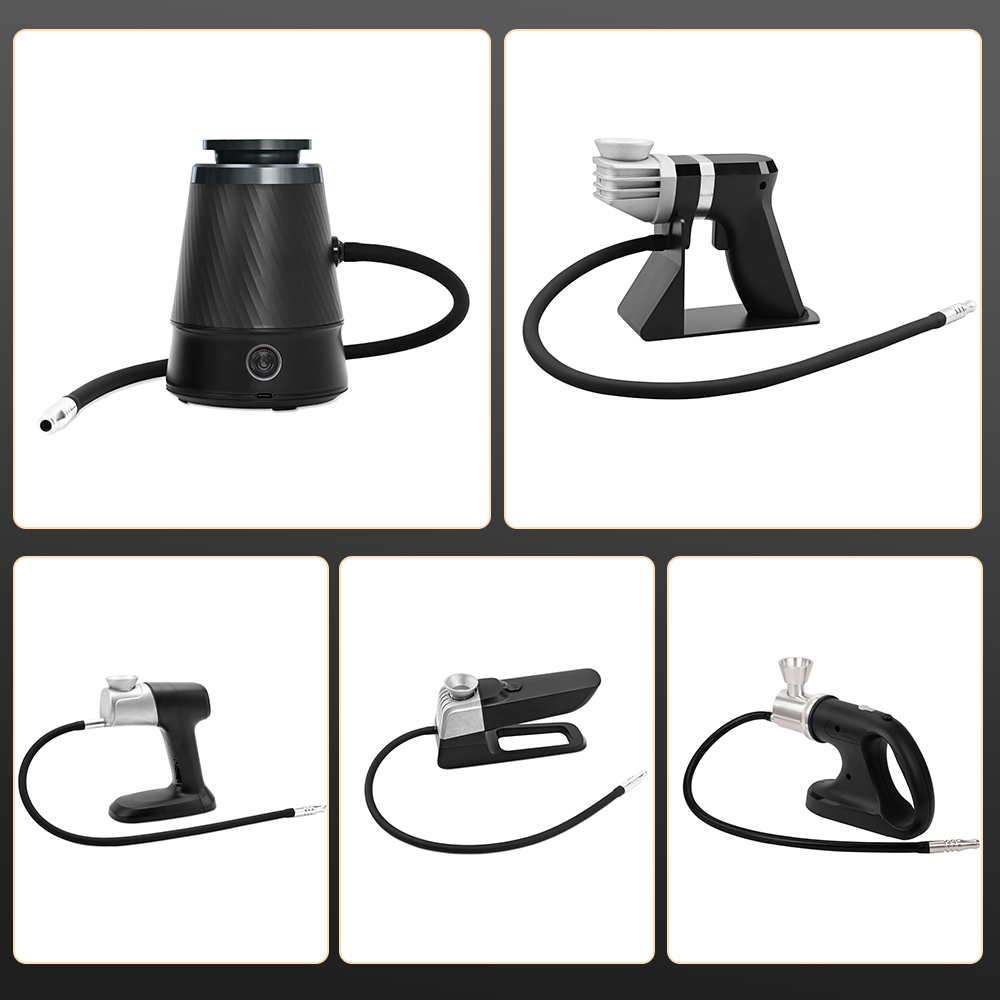
A smoke infuser operates through sophisticated yet simple technology that generates controlled cold smoke using wood chips or specialized smoking materials. The device typically consists of a combustion chamber, a powerful fan system, and precision temperature controls that ensure optimal smoke production without excessive heat generation. This innovative approach allows home chefs to add authentic smoky flavors to delicate ingredients that would be damaged by traditional hot smoking methods. The controlled environment created by a smoke infuser enables precise flavor infusion while maintaining the original texture and integrity of ingredients.
The operational mechanics involve igniting small quantities of wood chips within the enclosed chamber, where controlled airflow circulates the resulting smoke through connected tubing or direct application methods. Advanced models incorporate variable speed settings and timer functions, providing home chefs with unprecedented control over the smoking process. This technology bridges the gap between professional smoking equipment and accessible home cooking tools, making complex flavor profiles achievable in domestic kitchens.
The choice of wood chips significantly impacts the final flavor profile achieved through smoke infuser applications. Different wood varieties impart distinct characteristics, from the mild sweetness of apple wood to the robust intensity of hickory or mesquite. Cherry wood provides subtle fruity notes that complement poultry and pork, while oak delivers classic barbecue flavors suitable for beef and game meats. Understanding these flavor relationships empowers home chefs to make informed decisions about wood selection based on their intended culinary outcomes.
Professional chefs often blend different wood types to create complex flavor layers, and a smoke infuser makes this technique accessible to home cooks. Experimentation with exotic woods like cedar, maple, or even fruit-bearing woods like peach opens new possibilities for creative flavor development. The precise control offered by modern smoking devices allows for subtle flavor adjustments that would be impossible with traditional smoking methods.
Protein preparation represents one of the most impactful applications for smoke infuser technology in home kitchens. Traditional proteins like beef, pork, and poultry benefit enormously from controlled smoke application, developing complex flavor profiles that penetrate beyond surface layers. The cold smoking capability of modern devices allows home chefs to enhance delicate proteins like fish and seafood without compromising their tender textures. This technique proves particularly valuable for preparing salmon, trout, and other fish varieties that benefit from subtle smoky undertones.
Beyond traditional proteins, innovative home chefs are discovering applications for plant-based alternatives and specialty items. Tofu, tempeh, and other meat substitutes absorb smoky flavors exceptionally well when properly prepared with smoke infuser technology. The controlled environment prevents overcooking while ensuring thorough flavor penetration, resulting in more satisfying and complex vegetarian and vegan dishes that rival their meat-based counterparts in flavor intensity and satisfaction.
The application of smoke infuser technology extends far beyond traditional food preparation into the realm of beverage creation and cocktail crafting. Home bartenders and cocktail enthusiasts are incorporating smoky elements into classic drinks, creating unique flavor experiences that rival those found in upscale establishments. Whiskey cocktails, in particular, benefit from controlled smoke application, with the aromatic compounds enhancing the natural characteristics of aged spirits while adding visual drama to the presentation.
Non-alcoholic beverages also benefit from creative smoke infuser applications, with home chefs experimenting with smoked simple syrups, flavored waters, and specialty teas. The ability to control smoke intensity allows for subtle flavor enhancement without overwhelming delicate beverage bases. This technique opens new possibilities for entertaining and special occasion preparation, enabling home hosts to create memorable experiences that guests will discuss long after the event concludes.
The visual spectacle created by smoke infuser applications adds an element of theatrical presentation that transforms ordinary meals into memorable dining experiences. When properly executed, the controlled release of aromatic smoke creates dramatic moments that engage multiple senses simultaneously. Home chefs can orchestrate these presentations to coincide with guest arrival or specific course service, creating restaurant-quality experiences within domestic settings. The psychological impact of this visual element often enhances perceived flavor intensity and overall meal satisfaction.
Professional presentation techniques involve timing the smoke release for maximum visual impact while ensuring optimal flavor development. The lingering aromatic qualities of properly applied smoke continue to enhance the dining experience long after the initial visual presentation concludes. This multi-sensory approach to meal presentation elevates home dining experiences beyond simple food consumption into memorable culinary events that guests will remember and discuss.
In the age of social media and food photography, the visual appeal created by smoke infuser applications provides significant advantages for home chefs who document their culinary creations. The dramatic contrast between colorful dishes and ethereal smoke creates compelling photographic compositions that capture attention on various social platforms. The dynamic nature of smoke movement adds motion and life to static food photography, creating more engaging visual content that stands out in crowded social media feeds.
Beyond simple photography, video content creation benefits enormously from the dramatic visual elements provided by controlled smoke application. The process of smoke generation and application creates natural narrative flow for culinary content creation, providing home chefs with engaging material for sharing their cooking processes and techniques with online audiences. This visual enhancement often translates into increased engagement and recognition for home cooking enthusiasts who share their creations online.
Selecting the appropriate smoke infuser requires careful consideration of various technical specifications and performance characteristics that impact long-term satisfaction and culinary results. Battery life, smoke output volume, temperature control precision, and build quality represent critical factors that distinguish professional-grade devices from basic consumer models. Home chefs should evaluate their intended usage patterns and frequency to determine the level of investment appropriate for their culinary goals and expectations.
Advanced features like variable speed controls, timer functions, and compatibility with different wood chip sizes provide enhanced versatility but may not justify additional expense for occasional users. The balance between functionality and cost requires honest assessment of intended applications and realistic evaluation of usage frequency. Quality construction and reliable performance often prove more valuable than extensive feature sets that remain unused in practical application scenarios.
Proper maintenance protocols ensure optimal performance and extend the operational lifespan of smoke infuser equipment. Regular cleaning procedures prevent residue buildup that can impact smoke quality and device performance over time. Understanding manufacturer recommendations for maintenance schedules and cleaning procedures helps home chefs maximize their equipment investment while ensuring consistent performance results. The relatively simple maintenance requirements of quality devices make them accessible for home cooks who prefer low-maintenance kitchen equipment.
Storage considerations and seasonal usage patterns also influence equipment longevity and performance consistency. Proper storage in controlled environments protects sensitive electronic components and ensures reliable operation when devices are needed for special occasions or regular cooking activities. Investment in quality storage solutions often proves worthwhile for home chefs who use their smoke infuser equipment regularly throughout the year.
Responsible smoke infuser operation requires attention to ventilation and environmental factors that ensure safe usage within domestic settings. Adequate ventilation prevents smoke accumulation that could trigger fire detection systems or create uncomfortable indoor conditions. Understanding the relationship between smoke volume, room size, and ventilation capacity helps home chefs plan appropriate usage scenarios that maximize culinary benefits while maintaining safe operational conditions.
Outdoor applications often provide ideal environments for smoke infuser usage, particularly for larger gatherings or extended smoking sessions. The natural ventilation available in outdoor settings eliminates concerns about smoke accumulation while providing guests with the full sensory experience of aromatic smoke presentation. Planning outdoor cooking events around smoke infuser applications creates optimal conditions for both safety and culinary success.
Although modern smoke infuser devices incorporate safety features and controlled combustion systems, understanding basic fire safety principles remains essential for responsible operation. Maintaining appropriate fire suppression equipment in cooking areas and understanding emergency procedures provides additional security for home chefs who regularly use smoking equipment. The low-risk nature of controlled cold smoking applications should not eliminate basic safety precautions and emergency preparedness measures.
Regular equipment inspection and component maintenance help identify potential safety concerns before they develop into serious problems. Understanding the signs of equipment wear or malfunction enables proactive maintenance that prevents safety issues while ensuring continued performance reliability. Responsible ownership includes periodic safety assessments and prompt attention to any operational irregularities or performance concerns that arise during normal usage.
Master-level smoke infuser techniques involve sophisticated approaches to flavor layering that create complex taste profiles impossible to achieve through single-application methods. Sequential smoking with different wood varieties builds flavor complexity gradually, allowing each wood type to contribute distinct characteristics without overwhelming delicate ingredients. This technique requires patience and timing precision but produces remarkable results that demonstrate the full potential of modern smoking technology.
Temperature staging represents another advanced technique where ingredients receive smoke application at different preparation stages, creating layered flavor development that evolves throughout the cooking process. This approach proves particularly effective with proteins that undergo multiple preparation phases, such as slow-cooked roasts or braised dishes that benefit from both initial and finishing smoke applications. The cumulative effect creates depth and complexity that distinguishes exceptional preparations from basic smoking applications.
Seasonal cooking approaches benefit enormously from creative smoke infuser applications that complement natural ingredient characteristics throughout the year. Spring vegetables like asparagus and artichokes develop enhanced complexity when combined with light fruit woods, while autumn ingredients pair beautifully with stronger hardwoods that complement their natural richness. Understanding these seasonal relationships enables home chefs to create harmonious flavor combinations that celebrate natural ingredient cycles while adding sophisticated smoky elements.
Holiday and special occasion preparations provide excellent opportunities for showcasing advanced smoke infuser techniques. Traditional holiday proteins benefit from creative smoking approaches that add contemporary elements to classic preparations, while seasonal desserts can incorporate subtle smoky notes that surprise and delight guests. The versatility of modern smoking equipment enables home chefs to experiment with unconventional applications that create memorable dining experiences centered around familiar seasonal ingredients.
The optimal wood chip selection depends on your intended flavor profile and the ingredients being smoked. Mild woods like apple, cherry, and alder work excellently for delicate proteins and vegetables, while stronger varieties like hickory, oak, and mesquite complement robust meats and hearty dishes. Many home chefs find success starting with versatile options like apple or cherry wood, which provide pleasant smoky flavors without overwhelming delicate ingredients. Experimenting with different combinations allows you to develop personalized flavor preferences that suit your cooking style and family preferences.
Beginning users should start with short smoking sessions lasting 5-10 minutes to understand how different ingredients absorb smoky flavors. Most proteins benefit from 15-30 minutes of controlled smoke application, while vegetables and delicate items require shorter exposure times to prevent overwhelming their natural characteristics. The key lies in gradual experimentation that builds understanding of timing relationships between different ingredients and desired flavor intensity levels. Starting conservatively and gradually increasing exposure time provides the best learning experience for developing smoking expertise.
While smoke infuser devices provide excellent flavor enhancement capabilities, they complement rather than completely replace traditional outdoor smoking methods. These devices excel at controlled flavor application and dramatic presentation elements but cannot replicate the extended cooking processes associated with traditional barbecue techniques. The convenience and precision control offered by modern smoking devices make them ideal for indoor applications and quick flavor enhancement, while traditional methods remain superior for large-scale cooking and extended smoking processes that require hours of consistent heat and smoke application.
Regular maintenance should include cleaning the combustion chamber after every 3-4 uses and checking battery levels before each smoking session. Monthly deep cleaning involves disassembling removable components and thoroughly cleaning all surfaces that contact smoke or wood chips. Annual maintenance should include professional inspection of electronic components and replacement of any worn parts that could affect performance or safety. Following manufacturer recommendations for maintenance schedules and using appropriate cleaning materials helps ensure consistent performance and extends equipment lifespan significantly beyond basic usage expectations.
 EN
EN