Seasonal produce presents both opportunities and challenges for home cooks and food preservation enthusiasts. When harvests are abundant, vacuum sealers become essential tools for extending the shelf life of fresh fruits and vegetables while maintaining their nutritional value and flavor profiles. These innovative appliances remove air from specially designed bags, creating an oxygen-free environment that significantly slows down the natural degradation processes that cause food spoilage.
The science behind vacuum sealing technology involves creating an anaerobic environment that prevents oxidation and inhibits the growth of aerobic bacteria and mold. Modern vacuum sealers accomplish this through powerful suction mechanisms that extract virtually all air from sealed containers or bags, creating a barrier that protects produce from environmental factors that accelerate deterioration. This preservation method has revolutionized how families approach seasonal food storage, enabling them to enjoy peak-season flavors throughout the year.
The primary function of vacuum sealers centers on eliminating oxygen exposure, which is the leading cause of food deterioration through oxidation reactions. When oxygen interacts with organic compounds in produce, it triggers enzymatic browning, vitamin degradation, and cellular breakdown that manifest as discoloration, texture changes, and nutrient loss. Professional-grade vacuum sealers can achieve vacuum levels of 99.9%, creating near-perfect preservation conditions for seasonal produce.
Advanced vacuum sealing systems employ multi-stage pumping mechanisms that gradually remove air while preventing damage to delicate produce items. The controlled suction process ensures that soft fruits and vegetables maintain their structural integrity while achieving optimal vacuum levels. Temperature regulation during the sealing process prevents heat damage that could compromise the cellular structure of sensitive produce varieties.
Most bacteria and fungi responsible for food spoilage require oxygen to survive and multiply, making vacuum-sealed environments inherently hostile to these microorganisms. Vacuum sealers create conditions where aerobic pathogens cannot thrive, significantly extending the safe storage period for seasonal produce. This anaerobic environment is particularly effective against common spoilage organisms like Pseudomonas, Bacillus, and various mold species that typically affect fruits and vegetables.
The absence of oxygen also prevents the formation of biofilms, which are protective barriers that bacteria create to shield themselves from adverse conditions. Without the ability to form these protective structures, remaining microorganisms become more vulnerable to natural preservation compounds found in many fruits and vegetables. This dual protection mechanism makes vacuum sealing one of the most effective methods for long-term produce preservation.
Certain seasonal fruits respond exceptionally well to vacuum sealing, particularly those with firm textures and lower moisture content. Apples, pears, and stone fruits like peaches and plums maintain their quality effectively when properly vacuum sealed, often remaining fresh for several months when stored under appropriate conditions. Berry varieties, including strawberries, blueberries, and raspberries, can be successfully preserved using specialized techniques that account for their delicate nature.
Pre-treatment methods enhance the effectiveness of vacuum sealers when working with seasonal fruits. Light blanching or flash-freezing before vacuum sealing prevents cellular damage and maintains optimal texture upon thawing. Citrus fruits require careful preparation, with individual segments or whole peeled fruits responding better to vacuum sealing than whole unpeeled specimens, which can develop bitter flavors from essential oil concentration.
Seasonal vegetables demonstrate varying degrees of compatibility with vacuum sealing technology, with cruciferous vegetables, root vegetables, and leafy greens each requiring specific preparation techniques. Broccoli, cauliflower, and Brussels sprouts benefit from brief blanching before vacuum sealing, which deactivates enzymes that could cause off-flavors during storage. Carrots, beets, and parsnips can be vacuum sealed raw or cooked, maintaining their nutritional content and flavor for extended periods.
Leafy greens present unique challenges for vacuum sealers due to their high water content and delicate cellular structure. However, proper preparation techniques, including thorough washing, complete drying, and gentle vacuum settings, allow for successful preservation of seasonal greens like spinach, kale, and lettuce. The key lies in understanding the optimal vacuum pressure for each vegetable type to prevent crushing while achieving effective preservation.
Professional chamber vacuum sealers offer superior performance for preserving seasonal produce compared to external suction models, particularly when dealing with high-moisture items or liquid-containing foods. Chamber systems create uniform vacuum conditions throughout the sealing chamber, preventing the extraction of natural juices that often occurs with external vacuum sealers. This technology is especially beneficial for preserving delicate seasonal items like tomatoes, melons, and other high-water-content produce.
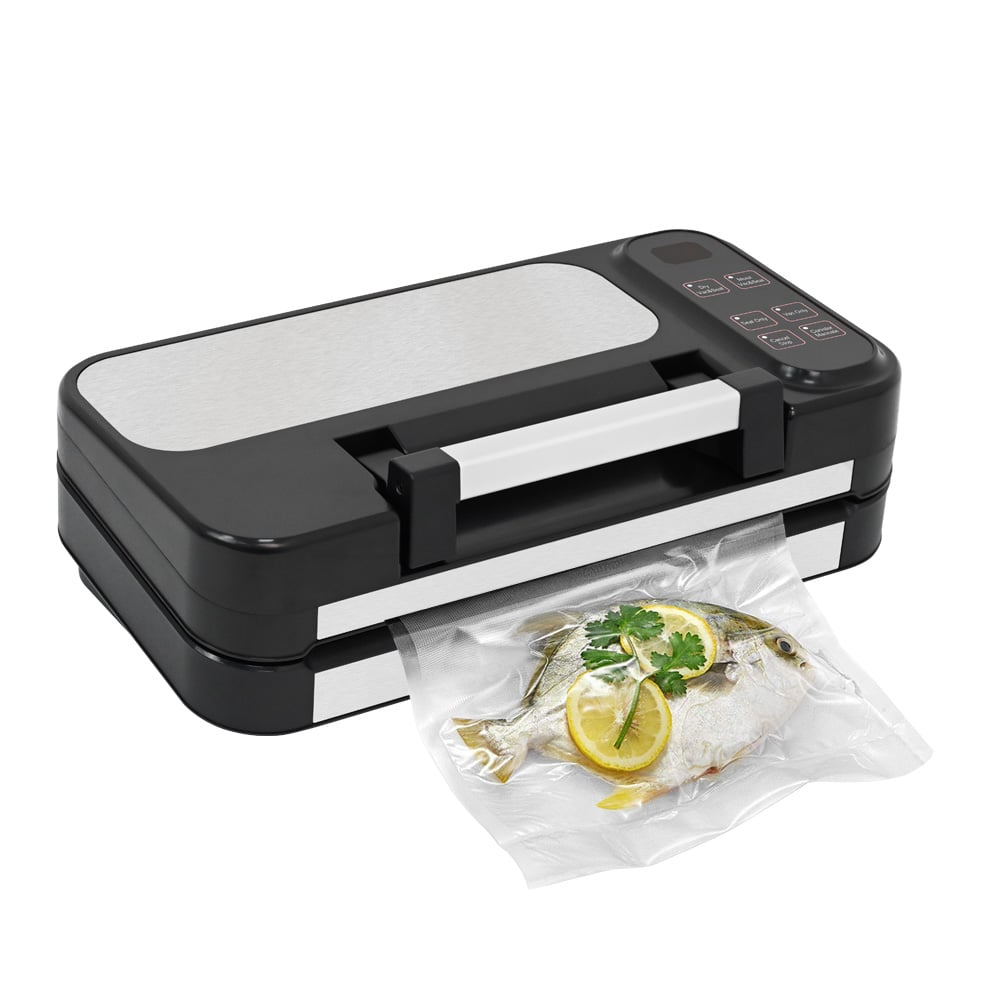
External vacuum sealers, while more affordable and compact, require careful technique adjustment when working with seasonal produce. Users must employ pulse vacuum functions to prevent over-extraction that could damage cellular structure. The vacuum sealers with observation windows and multiple sealing modes provide better control over the preservation process, allowing users to monitor progress and adjust settings accordingly.
Temperature control during vacuum sealing significantly impacts the final quality of preserved seasonal produce. Maintaining produce at refrigeration temperatures during the sealing process prevents premature ripening reactions that could compromise long-term storage quality. Cold vacuum sealing techniques preserve cellular integrity while maximizing the extraction of air and potential contaminants.
Timing considerations vary significantly among different produce types, with some items requiring immediate vacuum sealing after harvest while others benefit from brief aging periods. Understanding the optimal processing window for each seasonal variety ensures maximum preservation effectiveness. Quick processing after harvest captures peak nutritional content and flavor compounds before natural degradation begins.
Proper storage environment selection after vacuum sealing determines the ultimate success of seasonal produce preservation efforts. Refrigerated storage at consistent temperatures between 32-40°F provides optimal conditions for most vacuum-sealed produce, extending shelf life by 3-5 times compared to conventional storage methods. Freezer storage at 0°F or below can preserve vacuum-sealed seasonal produce for 12-24 months while maintaining acceptable quality levels.
Vacuum sealers enable the creation of portion-sized packages that facilitate efficient freezer organization and prevent repeated thawing cycles that damage cellular structure. The elimination of air pockets prevents freezer burn, which is the primary cause of quality deterioration in frozen produce. Proper labeling with sealing dates and contents ensures optimal rotation and prevents excessive storage times that could compromise safety or quality.
Regular monitoring of vacuum-sealed seasonal produce requires systematic inspection for signs of seal integrity loss or quality degradation. Visual inspection should focus on package appearance, checking for air infiltration, moisture accumulation, or unusual discoloration. Vacuum sealed packages should remain tight and conform to the shape of their contents throughout the storage period.
Quality assessment protocols include periodic evaluation of texture, color, and aroma when packages are opened for consumption. Properly preserved seasonal produce should retain characteristics very similar to fresh items, with minimal texture changes and no off-odors. Documentation of storage results helps optimize future vacuum sealing procedures and timing for different produce varieties.
Vacuum sealers provide substantial economic benefits by dramatically reducing food waste associated with seasonal produce spoilage. Studies indicate that households using vacuum sealing technology can reduce produce waste by up to 80%, translating to significant grocery budget savings over time. The ability to purchase seasonal produce in bulk during peak availability periods and preserve it effectively creates opportunities for substantial cost savings.
Investment in quality vacuum sealing equipment pays dividends through extended produce storage capabilities and reduced grocery shopping frequency. The technology enables households to take advantage of seasonal pricing fluctuations, purchasing produce when prices are lowest and preserving it for consumption during off-season periods when prices typically peak. This strategic approach to seasonal produce management can reduce annual food costs significantly.
Vacuum sealed seasonal produce retains higher levels of essential vitamins and minerals compared to conventional storage methods, particularly water-soluble vitamins like vitamin C and B-complex vitamins that are susceptible to oxidation. The oxygen-free environment created by vacuum sealers prevents the degradation reactions that typically reduce nutritional content during storage. Research shows that vacuum sealed vegetables can retain up to 95% of their original vitamin content even after extended storage periods.
Antioxidant compounds, which provide significant health benefits and are abundant in seasonal produce, remain stable in vacuum-sealed environments. Flavonoids, carotenoids, and phenolic compounds that give fruits and vegetables their distinctive colors and health properties are preserved effectively through vacuum sealing technology. This preservation method ensures that families can maintain optimal nutrition even when consuming produce months after the original harvest season.
Vacuum sealed seasonal produce typically lasts 3-5 times longer than conventionally stored items when refrigerated, and can maintain quality for 12-24 months when frozen. Most vacuum sealed vegetables remain fresh for 2-3 weeks in the refrigerator compared to 3-7 days with standard storage, while fruits can extend from 1-2 weeks to 3-4 weeks or more depending on the variety.
While most seasonal produce can be vacuum sealed, some items require special preparation techniques for optimal results. Soft fruits may need pre-freezing to prevent crushing, while high-moisture vegetables might benefit from blanching before sealing. Delicate items like lettuce or herbs require gentle vacuum settings, and some produce like mushrooms may need to be cooked before vacuum sealing for best preservation results.
Proper preparation involves thoroughly cleaning produce, ensuring complete drying to prevent bacterial growth, and cutting items to appropriate sizes for efficient sealing and later use. Some vegetables benefit from blanching to deactivate enzymes, while fruits may need pre-treatment with ascorbic acid to prevent browning. Always remove any damaged portions and allow items to reach appropriate temperature before sealing.
Yes, vacuum sealers require specially designed bags or containers that can withstand the vacuum process and provide effective barrier properties. These bags are typically made from multi-layer materials that prevent air infiltration and moisture migration. Some vacuum sealers also work with rigid containers and mason jars, which can be particularly useful for delicate produce that might be damaged by bag compression during the vacuum process.
 EN
EN