While most people associate vacuum sealer machines primarily with food preservation, these versatile devices offer numerous applications that extend far beyond the kitchen. A vacuum sealer machine represents a powerful tool for removing air from specially designed bags or containers, creating an airtight environment that protects contents from moisture, oxidation, and other environmental factors. Understanding the diverse capabilities of these machines can help you maximize their utility across various aspects of daily life, from protecting valuable documents to organizing seasonal clothing and safeguarding important electronics.
One of the most valuable non-food applications involves protecting crucial documents from environmental damage. Birth certificates, passports, insurance papers, and legal documents benefit tremendously from vacuum sealing. The airtight environment prevents moisture infiltration, which commonly causes paper deterioration, mold growth, and ink bleeding. This protection proves especially important for documents stored in basements, attics, or other areas prone to humidity fluctuations.
Professional photographers and artists frequently utilize vacuum sealing to preserve original photographs, artwork, and negatives. The vacuum environment eliminates air exposure that typically leads to fading, yellowing, and chemical degradation over time. Museums and archives have long recognized the benefits of vacuum storage for maintaining historical documents and photographs in pristine condition for future generations.
Small businesses and home offices can leverage vacuum sealing for efficient document archival systems. Tax records, contracts, and financial statements require long-term storage while remaining easily accessible when needed. Vacuum-sealed documents occupy significantly less storage space compared to traditional filing systems, making them ideal for businesses with limited storage capacity.
The waterproof nature of vacuum-sealed packages provides additional security against flooding, pipe leaks, or other water damage scenarios. Many businesses have discovered that vacuum sealing critical documents offers superior protection compared to traditional filing cabinets or document boxes, especially in regions prone to natural disasters or extreme weather conditions.
Electronics manufacturers and repair technicians commonly use vacuum sealing to protect sensitive components from moisture and static electricity. Computer processors, memory modules, and circuit boards require careful handling and storage to prevent corrosion and electrical damage. The controlled environment created by vacuum sealing helps maintain optimal conditions for these delicate components.
Hobbyists working with electronic projects find vacuum sealing particularly useful for organizing and protecting small components like resistors, capacitors, and integrated circuits. The clear vacuum bags allow for easy identification while preventing static buildup that could damage sensitive electronic parts. This application has become increasingly popular among makers and DIY electronics enthusiasts.
Digital storage media, including USB drives, external hard drives, and backup tapes, benefit from vacuum sealing during long-term storage. These devices contain magnetic or electronic components susceptible to environmental factors like humidity, temperature fluctuations, and dust accumulation. Vacuum sealing creates a stable environment that helps preserve data integrity over extended periods.
Organizations maintaining disaster recovery protocols often incorporate vacuum sealing into their backup strategies. Critical data stored on physical media receives enhanced protection when vacuum sealed, ensuring information remains accessible even after exposure to adverse conditions. This approach provides an additional layer of security beyond standard digital backup procedures.
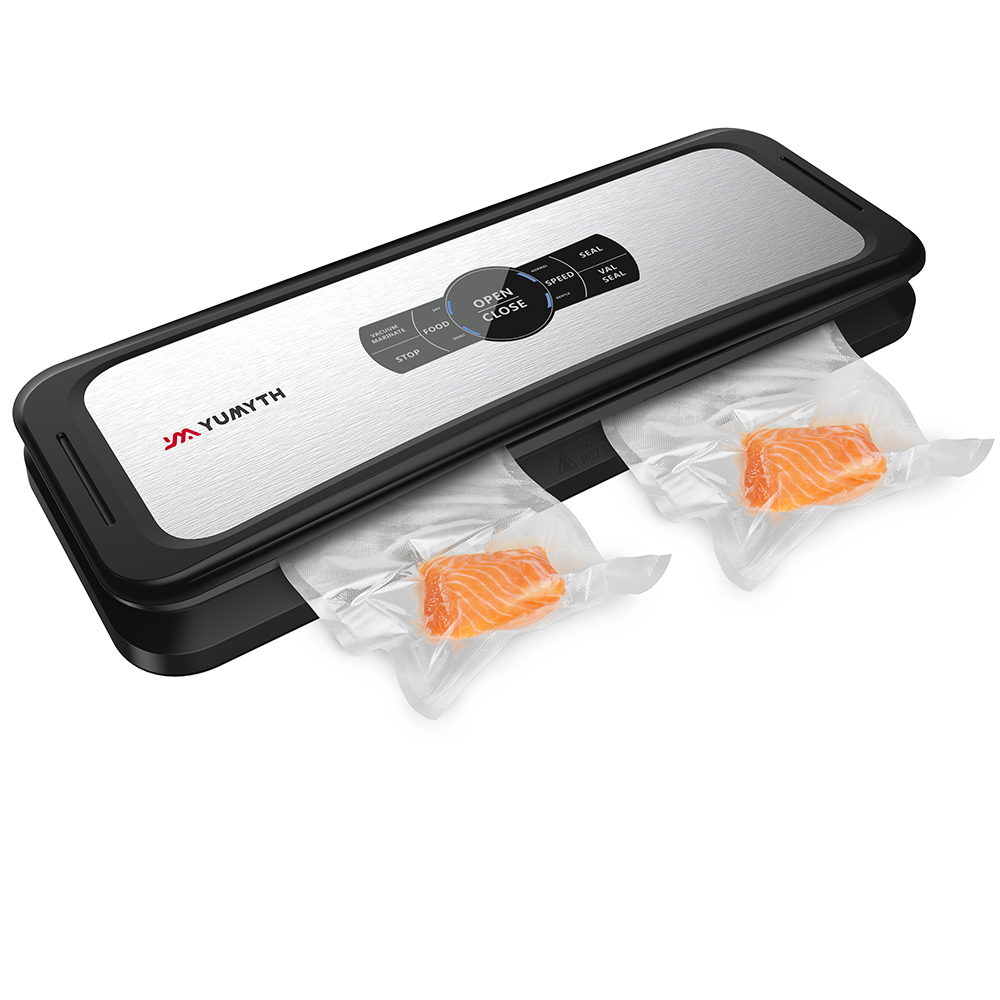
Vacuum sealing offers exceptional space-saving benefits for seasonal clothing storage. Winter coats, sweaters, and bedding can be compressed to a fraction of their original size while remaining protected from moths, moisture, and dust. This compression capability proves invaluable for people living in small apartments or homes with limited closet space.
The protective qualities of vacuum sealing extend beyond space savings to include preservation of fabric quality. Natural fibers like wool and cotton maintain their texture and appearance when stored in oxygen-free environments. Additionally, the sealed environment prevents pest infiltration, eliminating concerns about moth damage or other insect-related deterioration during extended storage periods.
Frequent travelers have discovered that vacuum sealing clothing dramatically increases packing efficiency. Bulky items like jackets, jeans, and sweaters compress significantly when vacuum sealed, allowing travelers to pack more items within airline weight restrictions. This technique proves especially valuable for extended trips or when traveling to destinations with varying climate conditions.
The waterproof nature of vacuum-sealed packages provides additional benefits during travel. Clothing remains dry even if luggage experiences water exposure during transport or storage. Many travelers create separate vacuum-sealed packages for different outfit categories, making organization and access more convenient throughout their journey.
Artists and crafters utilize vacuum sealer machine technology to protect expensive art supplies from environmental degradation. Oil paints, pastels, and colored pencils maintain their quality longer when stored in airtight environments. The vacuum sealing process prevents oxidation that typically causes color shifts and consistency changes in art materials over time.
Fabric artists and quilters find vacuum sealing particularly beneficial for storing fabric collections. Premium fabrics, especially natural fibers and delicate materials, require protection from light exposure, dust, and moisture. Vacuum-sealed storage maintains fabric integrity while allowing for easy identification through clear packaging materials.
Collectors of various items, from sports memorabilia to vintage magazines, employ vacuum sealing for long-term preservation. Trading cards, comic books, and autographed items benefit from the controlled environment that prevents aging, fading, and physical deterioration. The airtight seal eliminates exposure to pollutants and environmental contaminants that gradually damage collectible items.
Stamp and coin collectors particularly appreciate vacuum sealing for protecting valuable pieces from tarnishing and corrosion. The oxygen-free environment prevents chemical reactions that typically cause metal coins to develop patina or discoloration. This preservation method helps maintain both the aesthetic appeal and monetary value of collectible items over extended periods.
Emergency preparedness enthusiasts recognize vacuum sealing as an essential tool for creating compact, organized emergency kits. Medical supplies, matches, batteries, and emergency documents can be vacuum sealed to ensure they remain functional when needed. The waterproof protection proves crucial during natural disasters or emergency situations where supplies might be exposed to harsh conditions.
First aid supplies benefit significantly from vacuum sealing, as sterile items maintain their sterility longer in airtight environments. Bandages, gauze, and medical equipment remain clean and ready for use even after extended storage periods. This application has gained popularity among outdoor enthusiasts, boat owners, and anyone maintaining emergency preparedness supplies.
Camping and outdoor recreation equipment requires protection from moisture and environmental exposure during storage. Sleeping bags, tent components, and outdoor clothing maintain their performance characteristics when stored in vacuum-sealed packages. The compression capabilities also make gear storage more efficient in limited spaces like garage shelving or storage units.
Backpackers and hiking enthusiasts use vacuum sealing to create lightweight, compact gear packages for extended outdoor adventures. Clean clothing, backup equipment, and emergency supplies can be organized into manageable packages that resist water infiltration and take up minimal pack space. This organization method enhances safety and convenience during outdoor activities.
Yes, vacuum sealer machines are designed to work with various materials beyond food items. However, you should ensure that items being sealed are clean and dry to prevent damage to the machine. Sharp objects should be wrapped in soft materials to prevent puncturing the vacuum bags, and electronic items should be properly prepared to avoid static electricity issues during the sealing process.
For non-food applications, standard vacuum sealer bags work well for most purposes, but consider heavy-duty or puncture-resistant bags for items with sharp edges or rough surfaces. Clear bags allow for easy identification of contents, while opaque bags provide better protection from light exposure for items sensitive to UV radiation. Always ensure bags are appropriately sized for the items being sealed.
The storage duration depends on the specific items and storage conditions, but most non-food items can remain vacuum sealed for years without deterioration. Documents and photographs can last decades when properly sealed and stored in stable temperature conditions. Electronic components and textiles typically maintain their quality for several years, while the exact timeframe varies based on the original item quality and storage environment.
Certain items should not be vacuum sealed, including anything containing moisture that could cause mold growth, items with sharp edges that might puncture bags, and objects that could be damaged by compression. Additionally, some electronic devices with batteries should be prepared appropriately before sealing, and valuable items might require special consideration for insurance or authentication purposes before long-term storage.
 EN
EN