Understanding the compatibility between different packaging materials and your vacuum sealer machine is crucial for achieving optimal food preservation results. A high-quality vacuum sealer machine can significantly extend the shelf life of various foods by removing air and creating an airtight seal, but success depends heavily on using the right type of packaging materials. From specialized vacuum bags to innovative packaging solutions, the market offers numerous options designed to work seamlessly with modern vacuum sealing technology.
Textured vacuum sealing bags represent the gold standard for most home and commercial vacuum sealing applications. These bags feature a distinctive embossed or channeled surface pattern on one or both sides that allows air to flow efficiently toward the vacuum sealer machine's suction port. The textured surface creates pathways for air removal, ensuring complete evacuation even when the bag contents might otherwise block the smooth flow of air during the sealing process.
The effectiveness of textured bags stems from their engineered design, which accommodates various food shapes and sizes. Whether you're sealing irregularly shaped cuts of meat, delicate vegetables, or liquid-containing items, the textured surface maintains air channels throughout the vacuum process. Most quality textured bags are constructed from multiple layers of polyethylene and nylon, providing excellent barrier properties against moisture, oxygen, and other environmental factors that contribute to food spoilage.
Smooth vacuum sealing bags offer a more economical option for certain applications, though they require specific considerations when used with your vacuum sealer machine. These bags lack the textured surface pattern, which means they rely entirely on the vacuum pump's ability to draw air through the open end of the bag. While this limitation makes them unsuitable for some applications, smooth bags excel when sealing powdery substances, fine grains, or when creating portion-controlled packages of uniform items.
The primary advantage of smooth bags lies in their cost-effectiveness and availability. Many users find them perfectly adequate for dry goods, pre-portioned meals, or items that don't require extended storage periods. However, success with smooth bags often depends on the power and efficiency of your specific vacuum sealer machine, as weaker units may struggle to achieve complete air removal without the assistance of textured channels.
Advanced multi-layer barrier films represent the pinnacle of vacuum sealing technology, offering superior protection for sensitive or high-value food items. These sophisticated packaging materials typically incorporate seven or more layers of different plastics, each serving a specific function in the preservation process. The outer layers provide puncture resistance and structural integrity, while inner layers focus on barrier properties against oxygen, moisture, and flavor transfer.
When used with a professional-grade vacuum sealer machine, multi-layer films can extend food storage life significantly beyond what standard bags achieve. These films are particularly valuable for commercial applications, long-term food storage, and preservation of delicate items like cheese, coffee beans, or dried fruits that require protection from environmental factors while maintaining their original texture and flavor profiles.
Retort pouches serve specialized applications where vacuum-sealed packages must withstand high-temperature processing, such as sous vide cooking or commercial sterilization procedures. These robust pouches are constructed from heat-resistant materials that maintain their integrity and seal quality even when exposed to temperatures exceeding 250°F. The compatibility with your vacuum sealer machine remains excellent, as retort pouches typically feature the same textured surfaces found in standard vacuum bags.
The versatility of retort pouches makes them invaluable for meal preparation enthusiasts and commercial food processors alike. After vacuum sealing with your machine, these pouches can proceed directly to sous vide water baths, pressure cookers, or commercial retort systems without compromising the seal or package integrity. This capability streamlines food preparation workflows and ensures consistent results across various cooking methods.
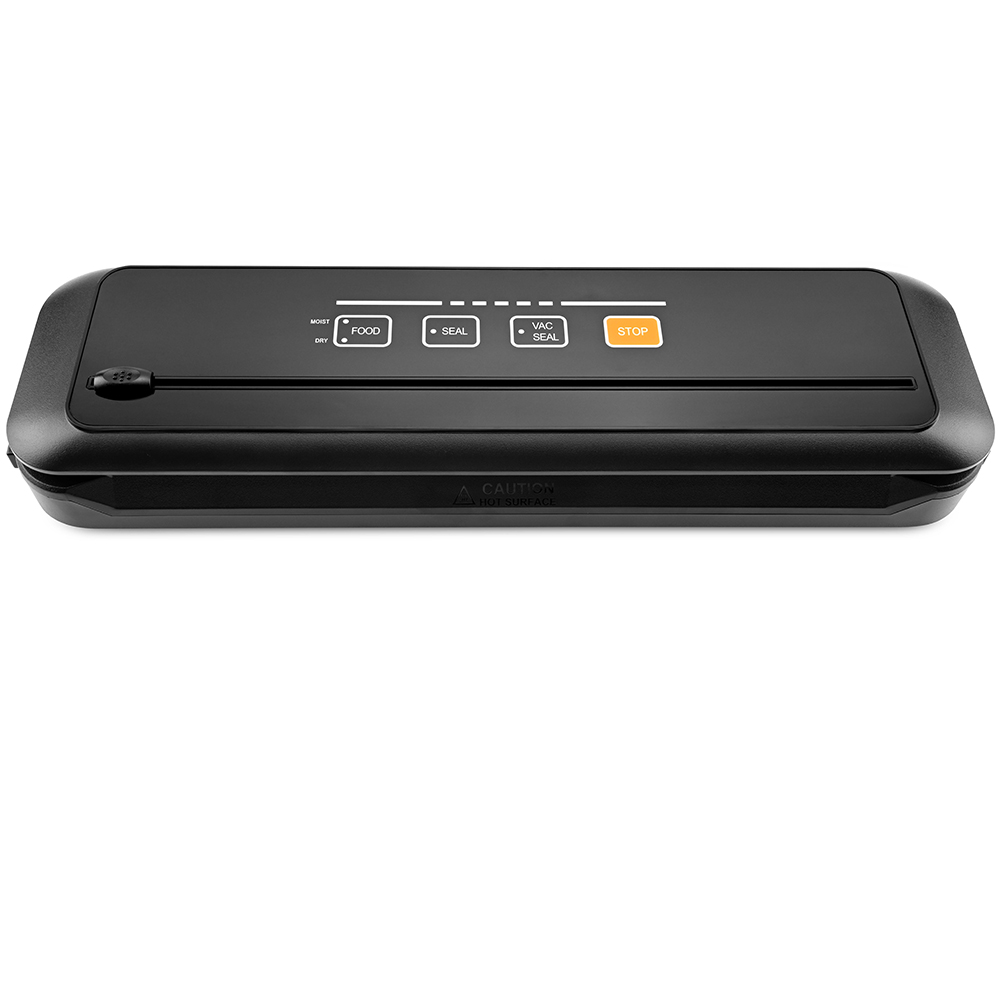
Rigid vacuum containers offer an alternative to flexible bag systems, providing reusable packaging solutions that work seamlessly with many vacuum sealer machine models equipped with accessory hoses. These containers typically feature specially designed lids with built-in valves that connect to your vacuum sealer's external suction capability. The rigid construction protects delicate items from crushing while maintaining the vacuum environment necessary for extended food preservation.
The versatility of vacuum canisters extends beyond simple food storage, accommodating everything from coffee beans and nuts to delicate pastries and seasonal produce. Many users appreciate the transparency of these containers, which allows for easy identification of contents without breaking the vacuum seal. The reusable nature of these containers also makes them an environmentally conscious choice for households committed to reducing packaging waste.
Standard mason jars can be transformed into effective vacuum storage containers using specialized sealing attachments designed for your vacuum sealer machine. These attachments typically consist of a rubber gasket and valve system that creates an airtight connection between the jar and your vacuum sealer's accessory hose. The process removes air from the jar and creates a vacuum environment that significantly extends the storage life of dry goods, prepared foods, and even liquids.
Mason jar vacuum sealing proves particularly effective for storing items like dried herbs, spices, nuts, and homemade preserves. The glass construction provides an excellent barrier against odors and flavors while allowing clear visibility of contents. Many users find this method ideal for portion control and meal preparation, as individual serving sizes can be vacuum sealed in separate jars and stored until needed.
Sealing liquids and high-moisture foods requires specialized packaging designed to work effectively with your vacuum sealer machine's liquid sensing capabilities. Liquid-specific vacuum bags often incorporate additional barrier layers and specialized sealing areas that prevent liquid migration during the vacuum process. Some advanced designs include absorbent strips or chambers that capture excess moisture before it can interfere with the sealing mechanism.
Success with liquid sealing depends on understanding your vacuum sealer machine's specific capabilities and limitations. Many modern units include pulse functions and liquid detection sensors that automatically adjust the vacuum process when moisture is detected. Using appropriate liquid-compatible bags ensures optimal results when preserving soups, marinades, or foods with high natural moisture content.
Freezer burn represents one of the primary challenges in long-term food storage, making freezer-specific vacuum packaging essential for optimal results. These specialized materials are engineered to maintain flexibility and seal integrity even at sub-zero temperatures, preventing the brittleness and cracking that can compromise standard bags in freezer environments. The enhanced barrier properties of freezer-specific packaging provide superior protection against the moisture migration and oxidation that cause freezer burn.
Quality freezer vacuum bags typically incorporate thicker gauge materials and improved adhesive formulations in their sealing layers. This construction ensures that seals remain intact throughout the freeze-thaw cycle, maintaining the vacuum environment that preserves food quality. Users report significantly extended freezer storage life when using appropriate packaging with their vacuum sealer machine, often achieving preservation periods of 2-3 years for properly sealed items.
Commercial food service operations require robust packaging solutions that can withstand the demands of high-volume production and extended storage periods. Professional-grade vacuum bags designed for commercial vacuum sealer machine applications typically feature enhanced puncture resistance, superior barrier properties, and consistent quality that ensures reliable performance across thousands of sealing cycles. These bags often incorporate specialized additives that provide antimicrobial properties or enhanced UV protection.
The economics of commercial vacuum sealing depend heavily on packaging efficiency and waste reduction. High-quality commercial bags maximize storage density while minimizing packaging costs per unit. Many commercial operations utilize custom-sized bags or continuous roll stock that can be cut to exact specifications, reducing waste and optimizing storage space. The compatibility with high-speed commercial vacuum sealer machine models ensures consistent results even during peak production periods.
Medical and pharmaceutical applications demand packaging materials that meet stringent regulatory requirements while providing exceptional barrier properties. These specialized vacuum bags often undergo additional sterilization processes and testing to ensure they meet FDA or other regulatory standards for medical device packaging. The materials used typically provide enhanced protection against moisture, oxygen, and light while maintaining compatibility with standard vacuum sealer machine technology.
Quality control in medical packaging applications requires consistent performance and traceability throughout the packaging process. Many medical-grade vacuum bags include lot coding and batch tracking capabilities that ensure full traceability from manufacturing through end use. The reliability of these packaging systems is critical, as failure can result in product contamination or loss of sterility in sensitive medical applications.
Regular plastic bags are not compatible with vacuum sealer machines because they lack the specialized construction necessary for proper air removal and sealing. Standard plastic bags don't have the textured surface patterns that allow air to flow to the vacuum port, and their sealing edges aren't designed to withstand the heat and pressure of the vacuum sealing process. Using inappropriate bags can damage your machine and result in failed seals that don't preserve food effectively.
For long-term storage applications, vacuum bags with a thickness of 4-6 mil (0.004-0.006 inches) provide the best balance of durability and performance. Thicker bags offer superior puncture resistance and barrier properties, making them ideal for freezer storage or items with sharp edges. However, extremely thick bags may require more powerful vacuum sealer machines to achieve complete air removal, so compatibility with your specific unit should be verified.
Several manufacturers now offer eco-friendly vacuum sealing bags made from recyclable materials or biodegradable plastics. These sustainable options maintain compatibility with standard vacuum sealer machines while reducing environmental impact. Some eco-friendly bags utilize plant-based plastics or recycled content, though they may have different storage life characteristics compared to traditional petroleum-based bags.
Liquid-compatible vacuum bags typically feature special labeling or packaging that indicates their suitability for high-moisture applications. These bags often have enhanced barrier properties and may include liquid absorption features. Check your vacuum sealer machine's manual for specific liquid sealing capabilities, as not all units are designed to handle liquid applications safely without risk of damage to internal components.
 EN
EN